PREMIERING SPRING 2027

Albert Videos

Short video lessons, built to pair with Albert practice.

One skill or topic per lesson, grounded in the science of learning.

All scenes are early previews.

Coming attractions

A first look at lessons in production.

Premium animation · Real-world video · Primary sources · Data visualizations · And more
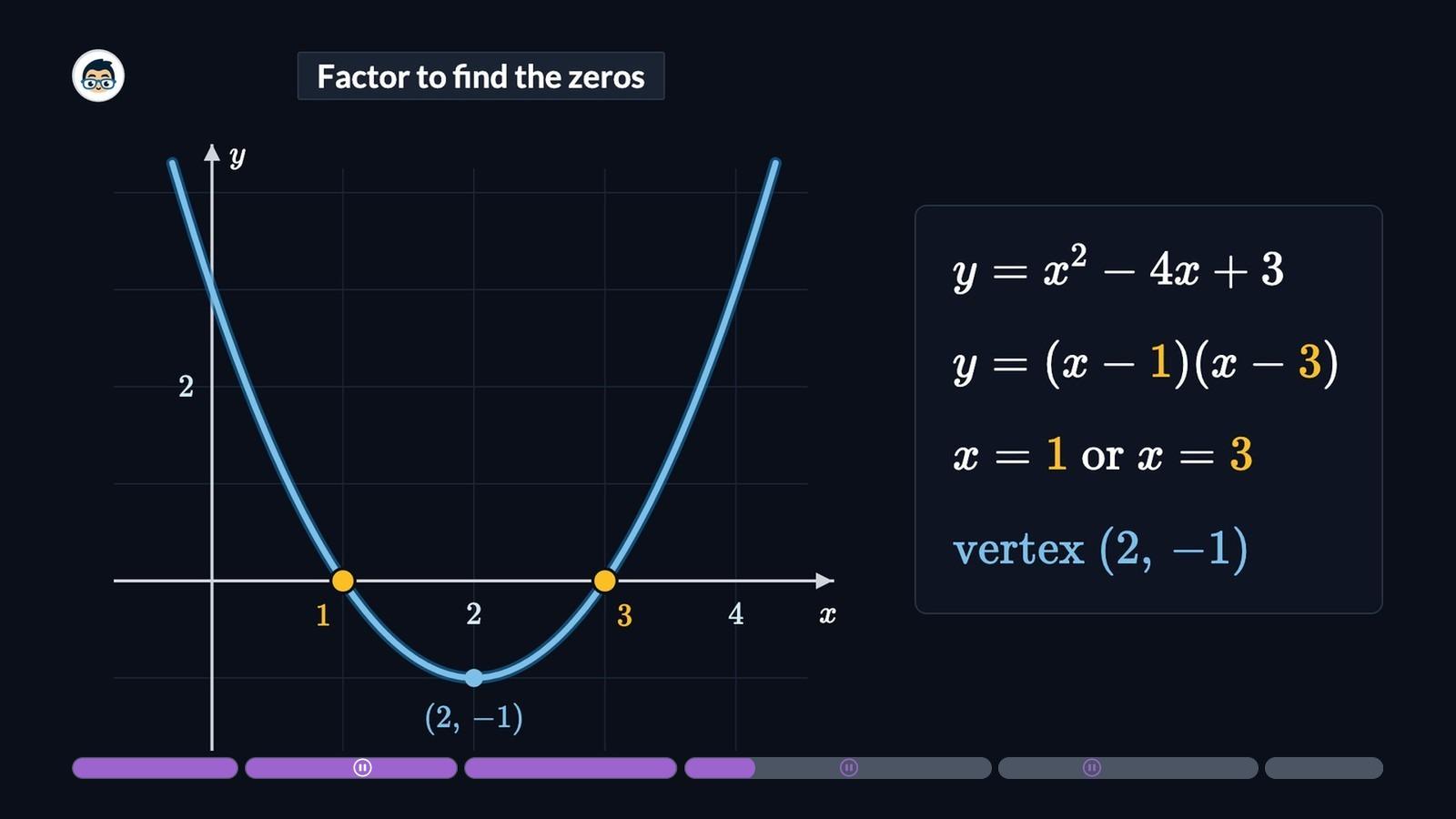
Math preview: the parabola y = x² − 4x + 3 with its zeros at 1 and 3 and its vertex at (2, −1)

MATH · ALGEBRA 1

Graph a Quadratic

Factor to find the zeros, then sketch the parabola through them.
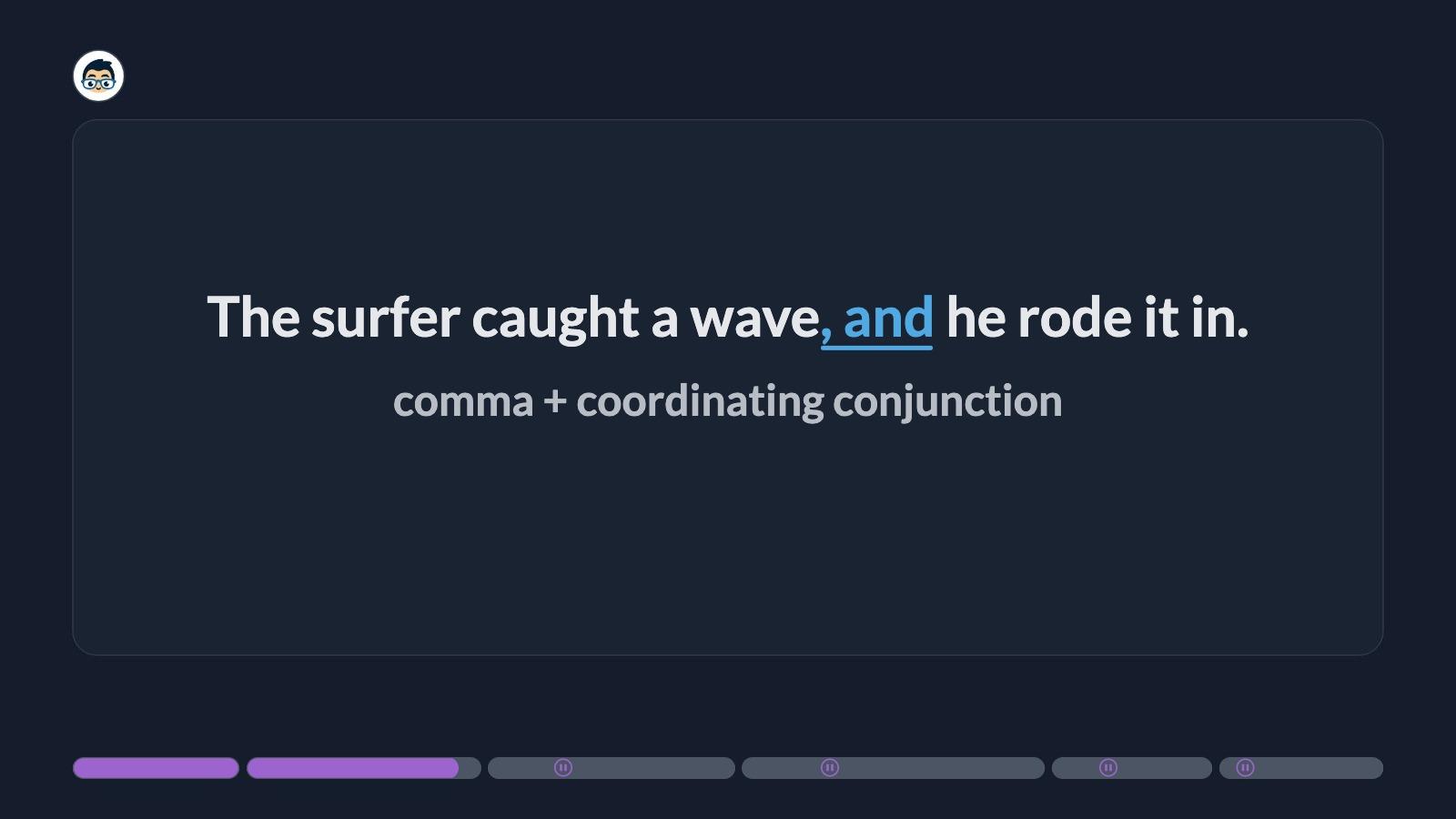
Grammar preview: a comma splice fixed with a comma and the coordinating conjunction and

GRAMMAR · ACT® ENGLISH

Fix a Comma Splice

Every grammar video starts with purpose, function and pattern: why the mark exists, how it works, and the patterns students will see.

Wrong examples always appear marked Incorrect. Each video stays tightly scoped to how the skill is tested.
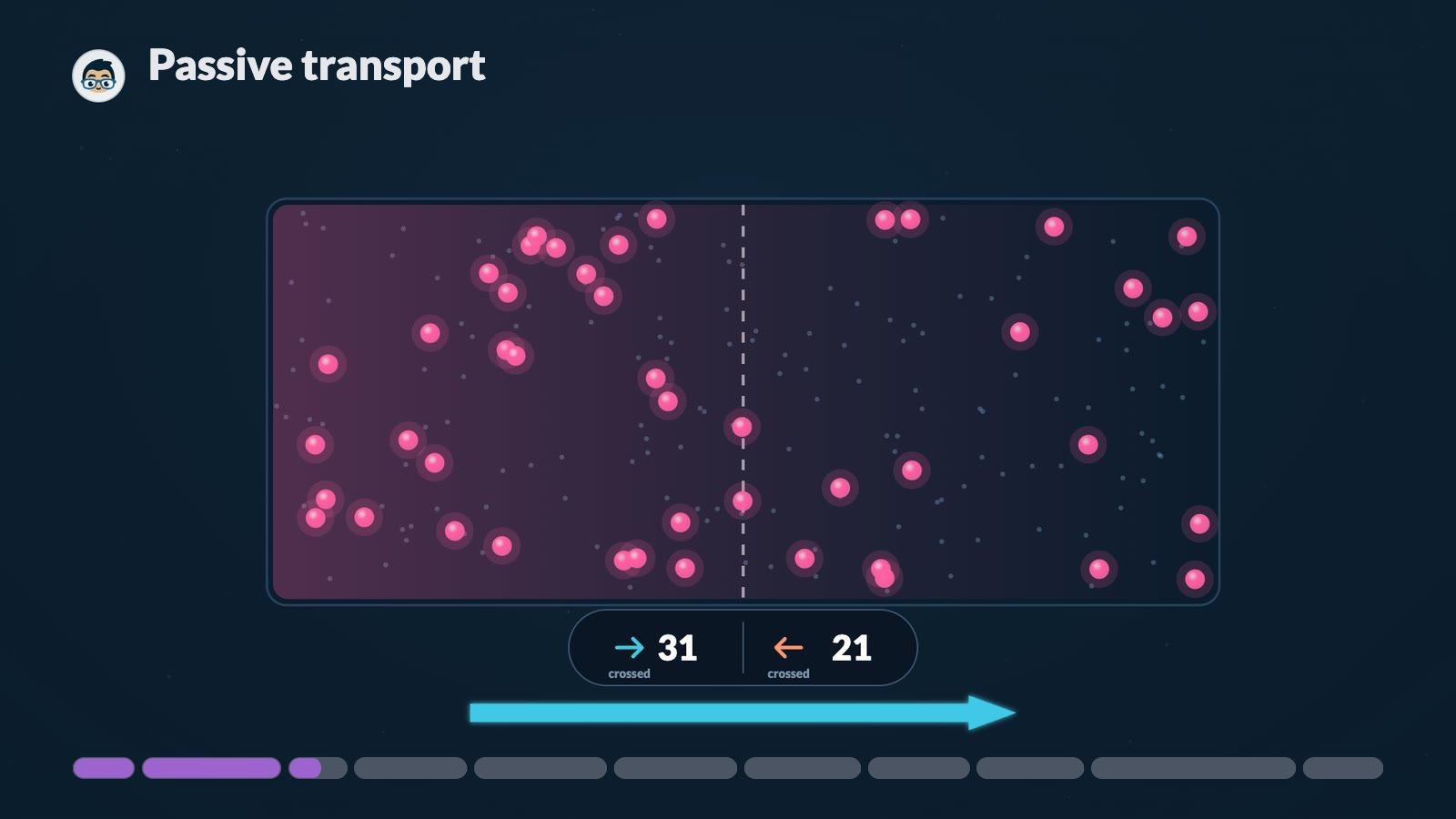
Biology preview: molecules spread from high to low concentration, with more crossing one way than the other

SCIENCE · BIOLOGY

Passive Transport

Random motion adds up to net movement: molecules spread from high concentration to low, with no energy from the cell.
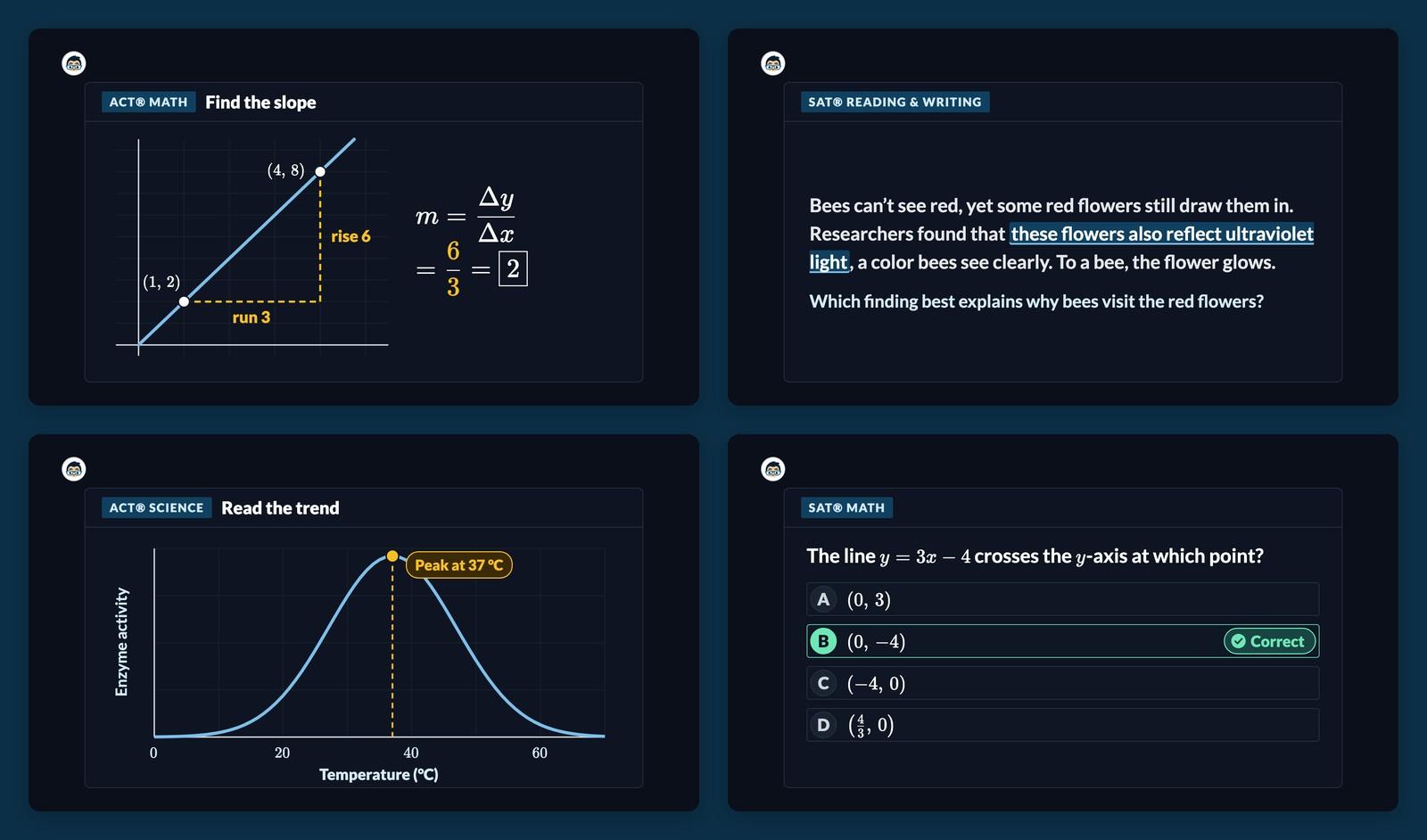
Test prep previews: ACT Math slope from rise over run, SAT Reading and Writing evidence in a passage, ACT Science reading the peak of a trend, and an SAT Math question answered correctly

TEST PREP · ACT® + SAT®

Built for the ACT® and SAT®

Two dedicated prep lines, made by our exam experts for the current version of each test, with practice on test-style questions.

We plan to make videos across many subjects, and requests from schools shape what comes first. Have a video you want to see? Tell us when you get early access.

Introducing the Albert Cinematic Universe

Albey and friends star in Hey Albey!, our TV-style show for younger grades. In older grades, the content, animations and visuals take center stage.

Albey waving
Zuri waving
Sofia waving
Eva waving
Jordan waving
Maya waving

Designed around how students actually learn

Five research-backed teaching moves, built into every lesson by Albert’s content and design experts.

Gradual release.

Each skill is modeled out loud first, then handed to students one step at a time.

Research: Archer & Hughes, 2011; Rosenshine, 2012
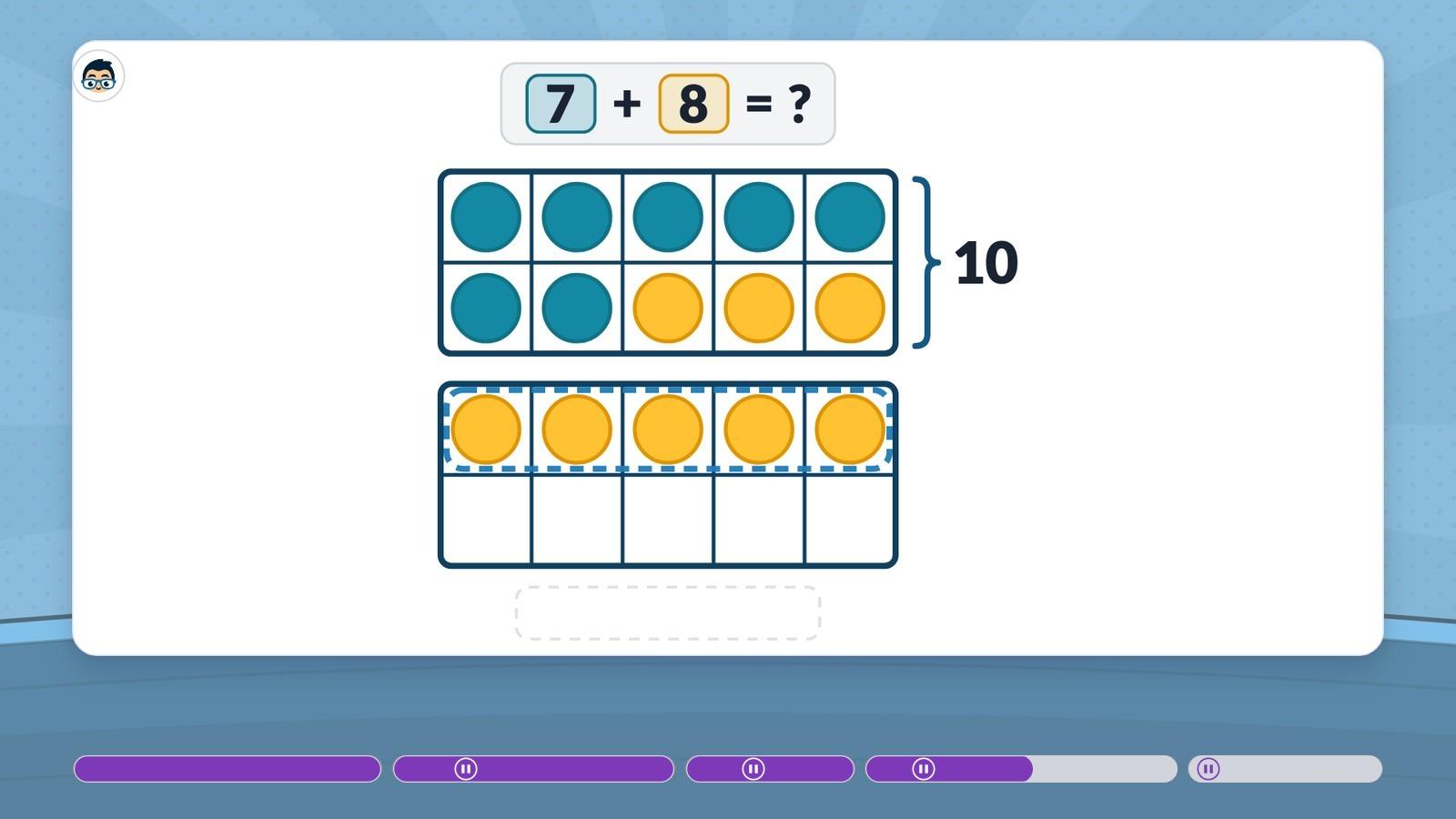
The guide models making a ten, then students take the next problem step by step

Worked examples that fade.

A full model first, then steps fade until students finish them.

Research: Atkinson, Renkl & Merrill, 2003
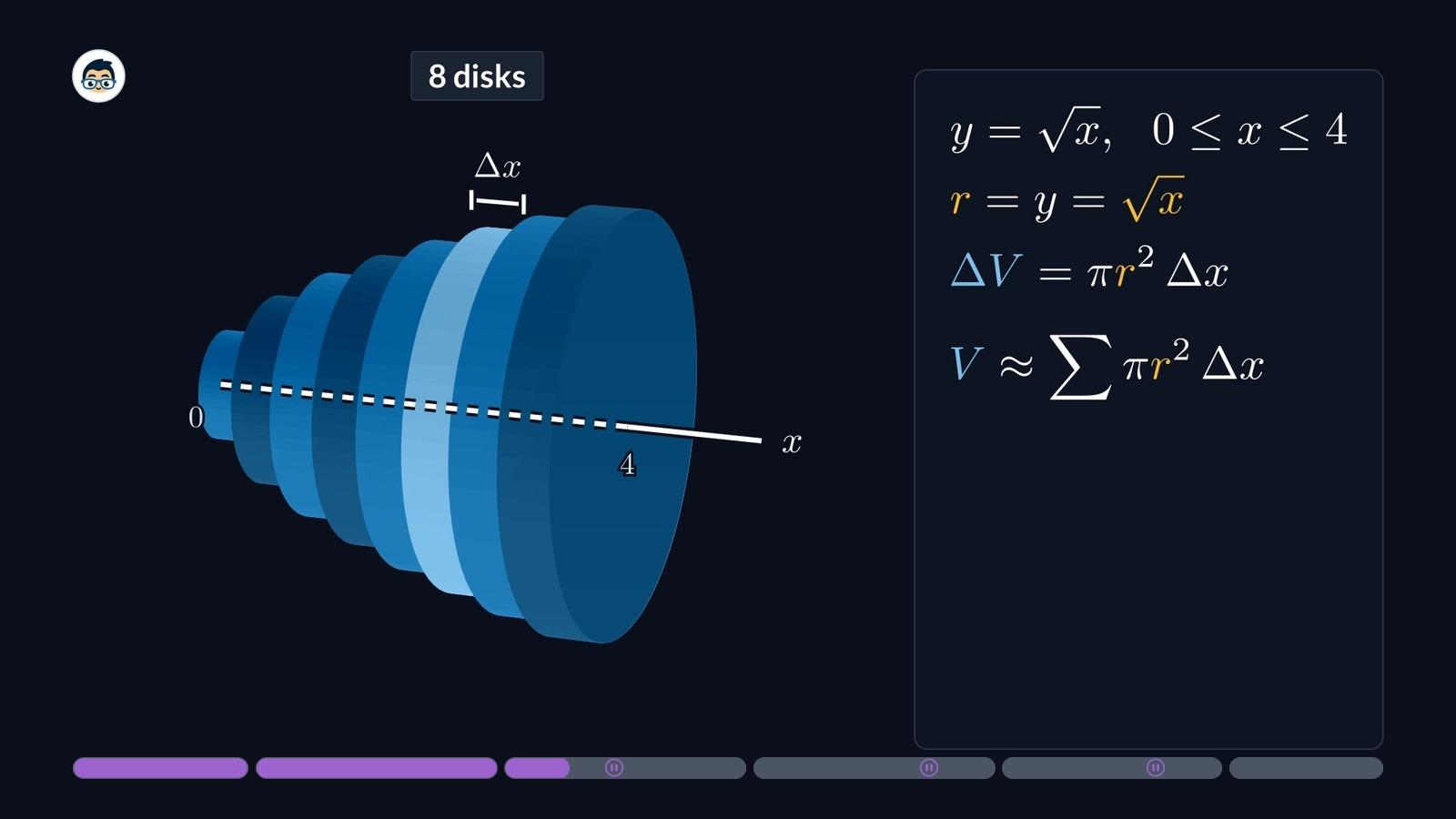
A worked model builds step by step: eight disks approximate the solid

Explicit vocabulary instruction.

Every teacher is a reading teacher. Key terms get plain-language definitions right when they matter, building the academic vocabulary behind a knowledge-rich foundation.

Research: Beck, McKeown & Kucan, 2013; Marzano, 2004
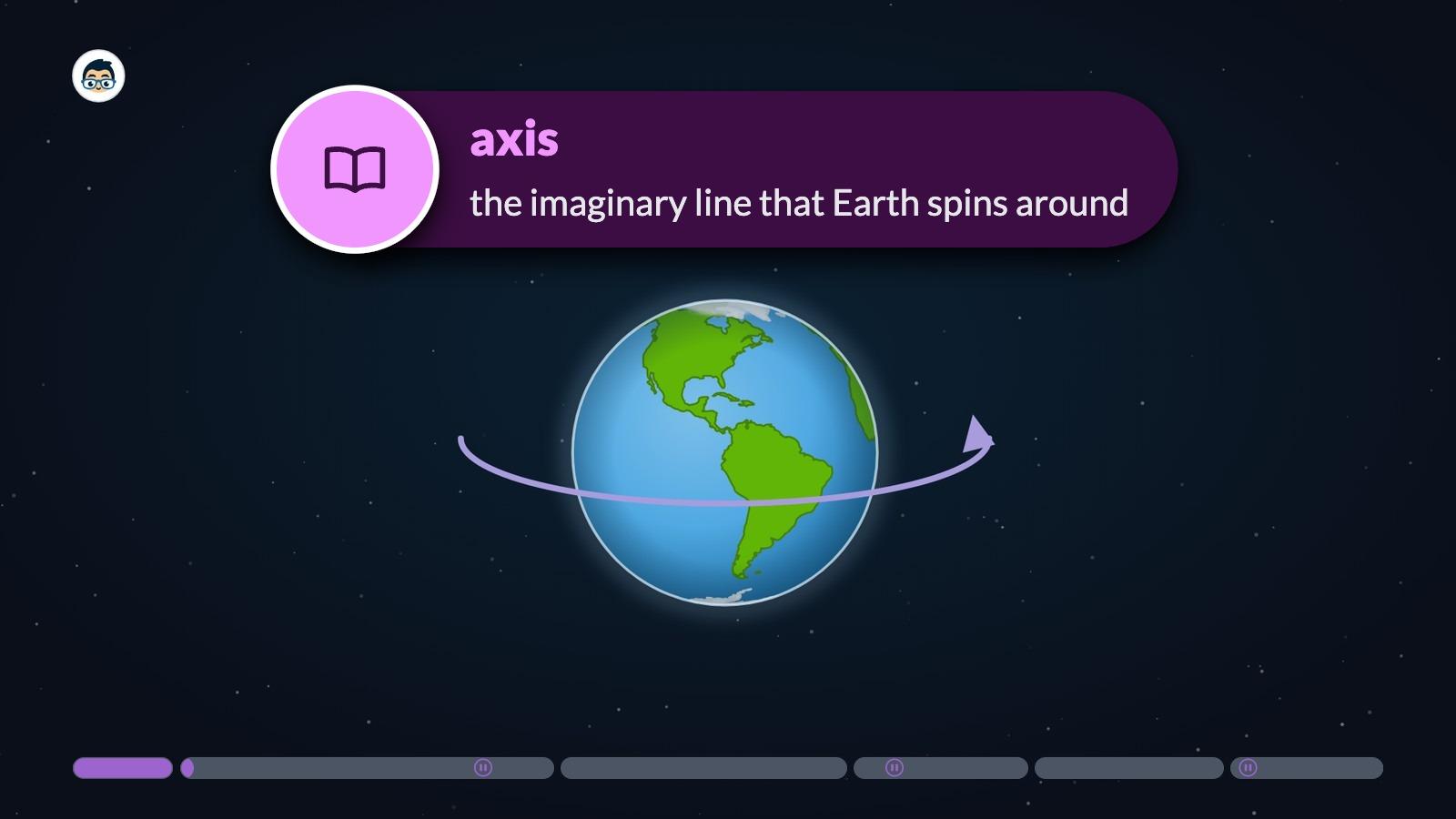
A vocabulary card defines axis as the imaginary line Earth spins around

Pause, think, answer.

Built-in pauses ask students to answer before the reveal.

Research: Szpunar, Khan & Schacter, 2013; Roediger & Karpicke, 2006
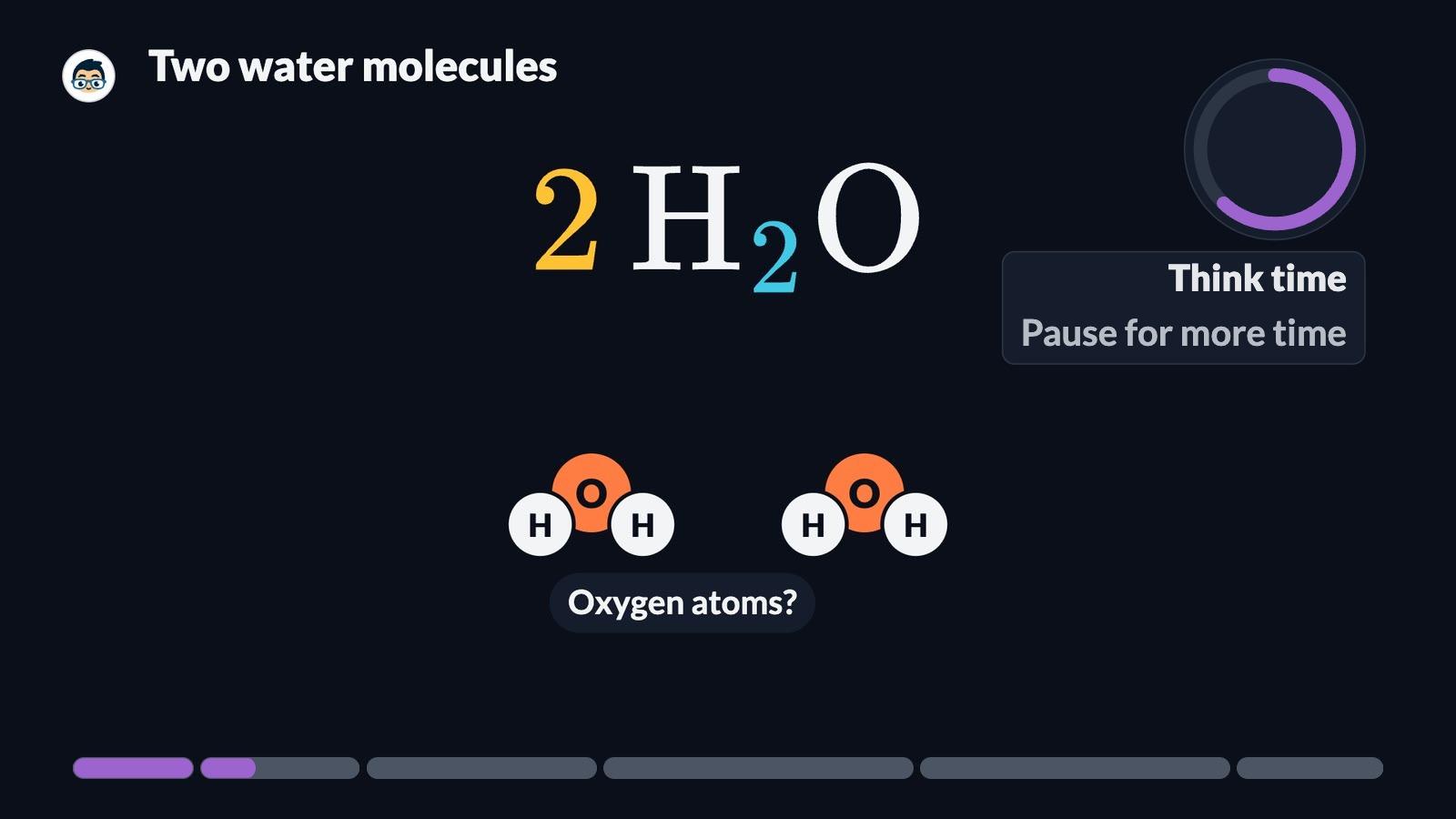
A pause prompt asks students to decide before the reveal

Misconceptions, head-on.

Every wrong example is marked Incorrect on screen, then fixed. Students never see an error without the flag.

Research: Muller, Sharma & Reimann, 2008
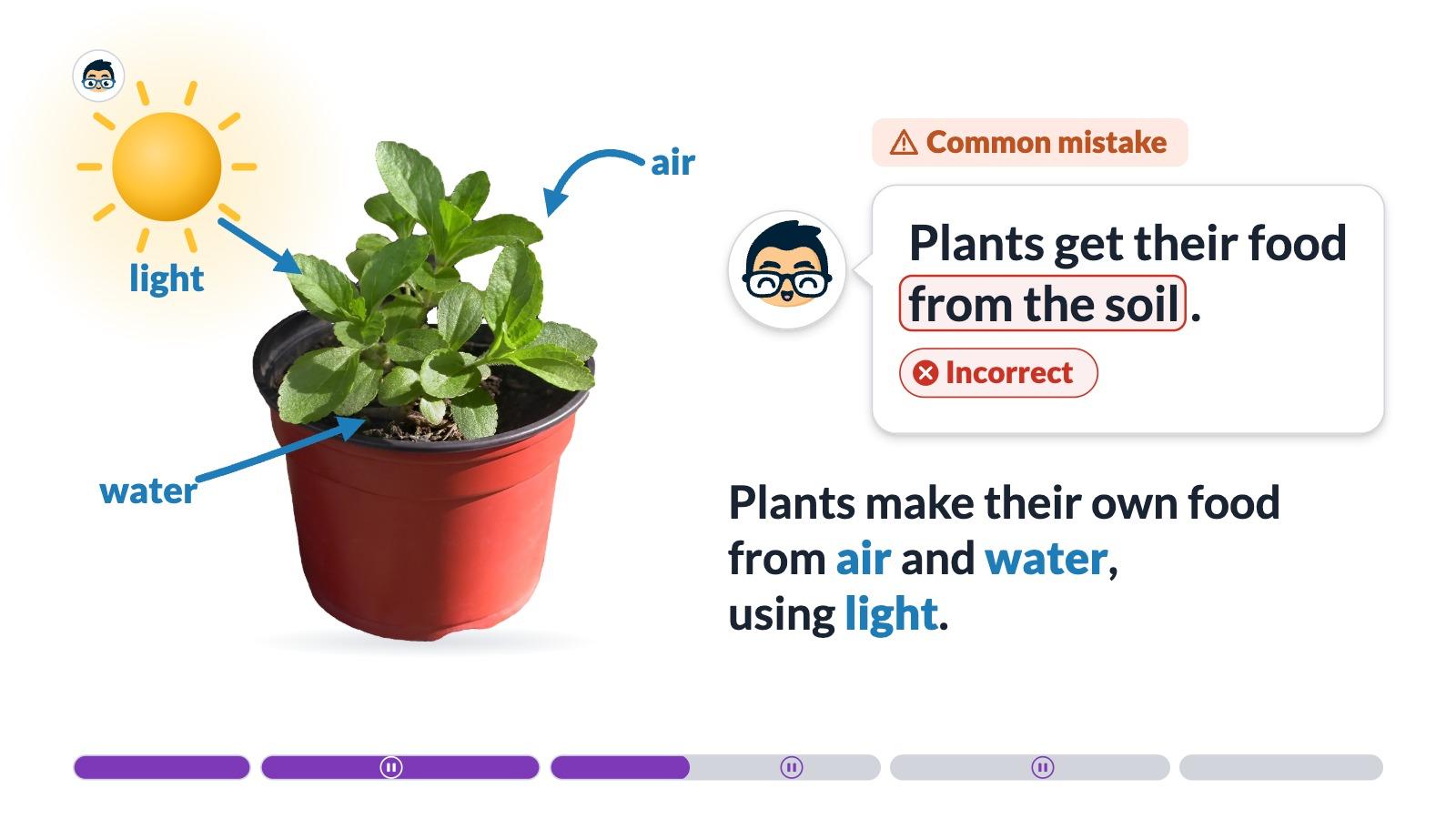
A grade 5 science lesson: Albey says plants get their food from the soil, marked Incorrect; then plants make their own food from air and water, using light

Built for one student, one screen.

Students watch on their own device, at their own pace. Teachers can still play any video for the class.
A laptop playing a video, with a play button

On their own screen

Each student watches with headphones, on their own device.
A question card with a video play button attached and a lightning bolt

Right when they need it

A short lesson on one skill or topic, ready the moment they need it.
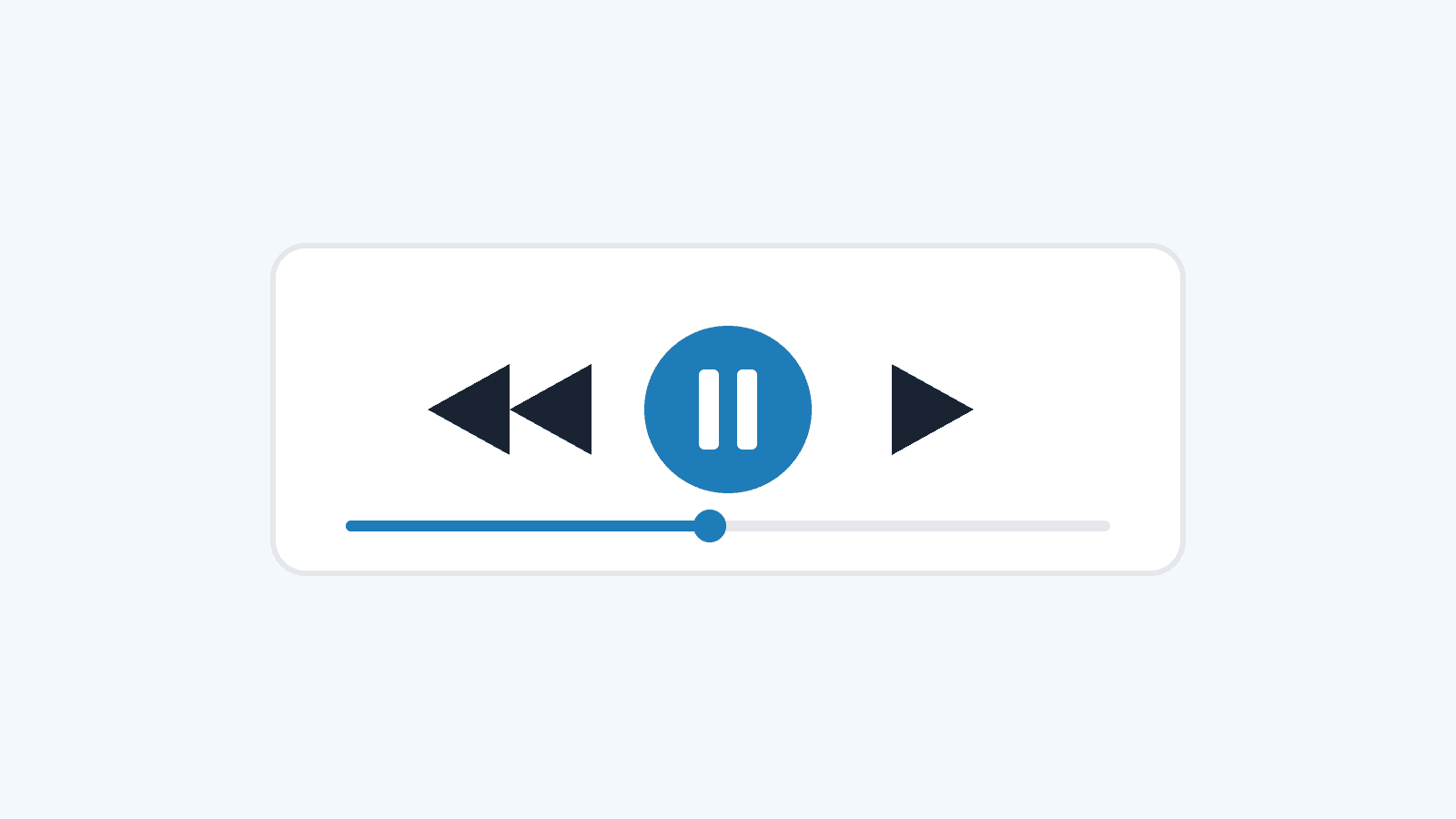
Video player controls: rewind, pause and play, with a progress bar

At their pace

Students pause to think and rewind what they missed.
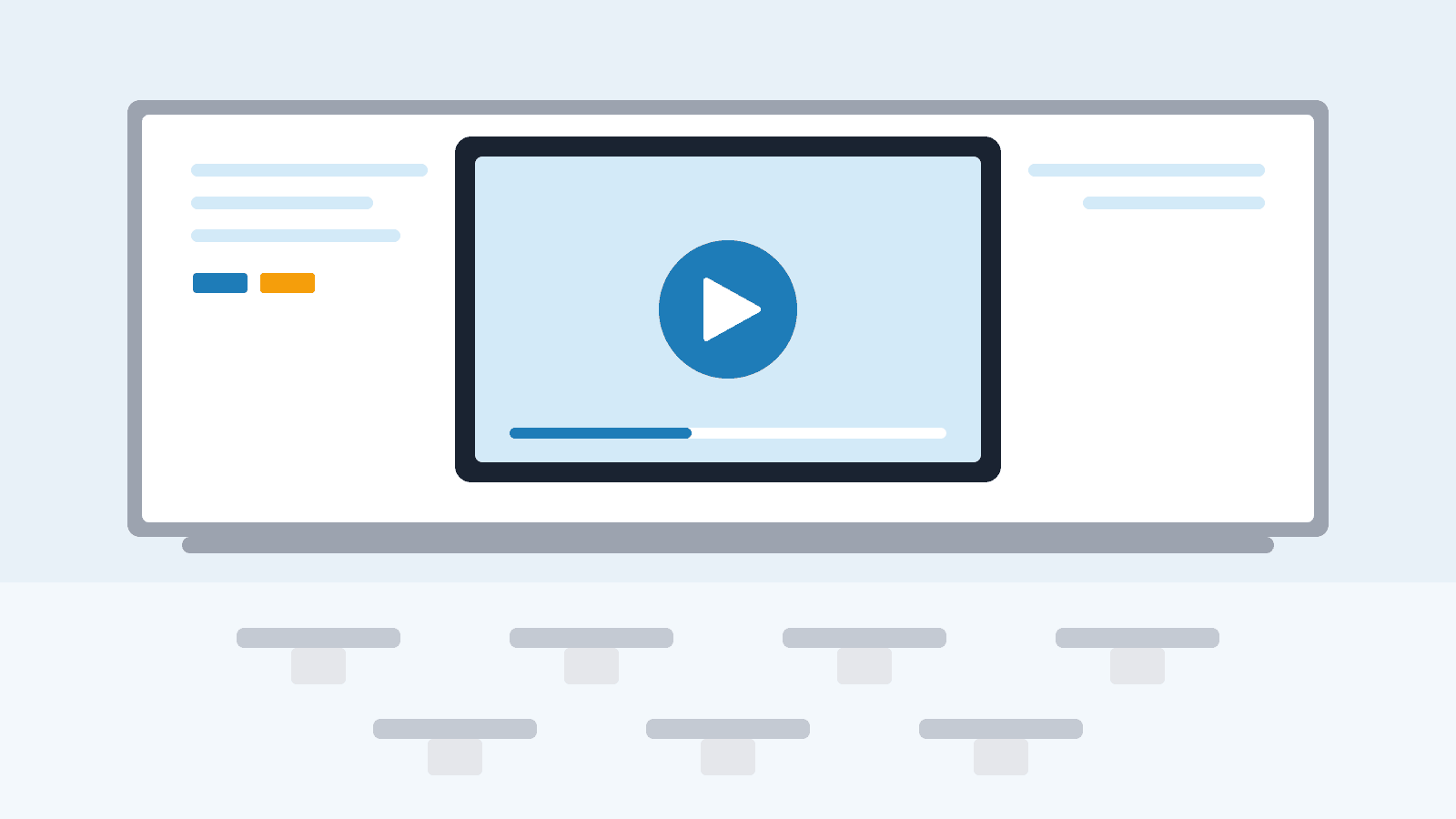
A classroom: a whiteboard with a big screen mounted on it playing a video, desks in front

On the big screen, too

Any video plays for the whole class when you want it.

IN YOUR CLASSROOM
Your class, your call.
Direct instruction, inquiry, discussion or flipped. You’re the expert in the room.
Launch an inquiry
Play the hook. Pause. Predict.
Spark a discussion
Stop on a question. Debate it.
Model a skill
Project a worked example.
Small groups
Watch, discuss, solve.
Flip the class
Watch at home, practice together.
Reteach
Right after a missed question.
Review
Big ideas before the test.
Sub days
Learning keeps going.

Get in before the premiere.

Albey and Zuri celebrating

More for every teacher.
Nothing added to your budget.

We’re building Albert Videos to be free to watch. Get early access to hear the details first.

You asked. We’re building it.

“Will they listen to a video, like, a short 30 second video with some writing and an example? Yes.”

Algebra 2 teacher, Illinois

“[Imagine] I’m a student. I’m really struggling. I don’t know how to get help. There’s a class of 30 students. The teacher’s preoccupied. How can I teach myself?”

Teacher, California

“Is there any kind of lesson available for my students to have before they start this skill? My students will not know what a subordinate clause is…”

Teacher, Oregon

…and hundreds more teachers and schools asking for the same thing.
Questions, answered
What are Albert Videos?
Focused video mini-lessons, each on one skill or topic. Every lesson models the idea step by step, defines key terms, shows a common mistake and builds in pauses to think. Each one is built to pair with Albert practice, in our adaptive skills and question banks, so students go straight from watching to doing.
What’s the purpose of these videos?
Each video is tied to a skill, topic or set of questions on Albert. Students watch before they practice, as a pre-teach, or after they struggle on an assignment, as a re-teach.
Who makes them?
A cross-company team of Albert content, pedagogy, and animation and design experts. Every choice draws on the latest learning science and research on instructional video: what works best for each age group and subject. The videos support the premium practice and assessment already on Albert.
Who are they for?
Students in grades K–12, watching on their own or as a whole class. Each lesson is paced for its age group, with plain-language support for every reader.
When can students watch, and what will it cost?
We’re aiming for spring 2027, and we’re building Albert Videos to be free to watch.
What is the early access waitlist?
A free waitlist for teachers and schools. You’ll see lessons before launch and help choose which videos we make first. No Albert subscription needed.
Albey and Zuri high-fivePREMIERING SPRING 2027

Get early access

Free for teachers and schools. You get:

  • Early lessons before the premiere

  • A direct line to our team

  • A say in our roadmap: what we make first, and when

We’ll bring the videos. You bring the popcorn.

Form not loading? Open it in a new tab.