If any licensed teacher finds an error in our content, we pay them a bug bounty
Any of the following issues qualifies for the bug bounty.
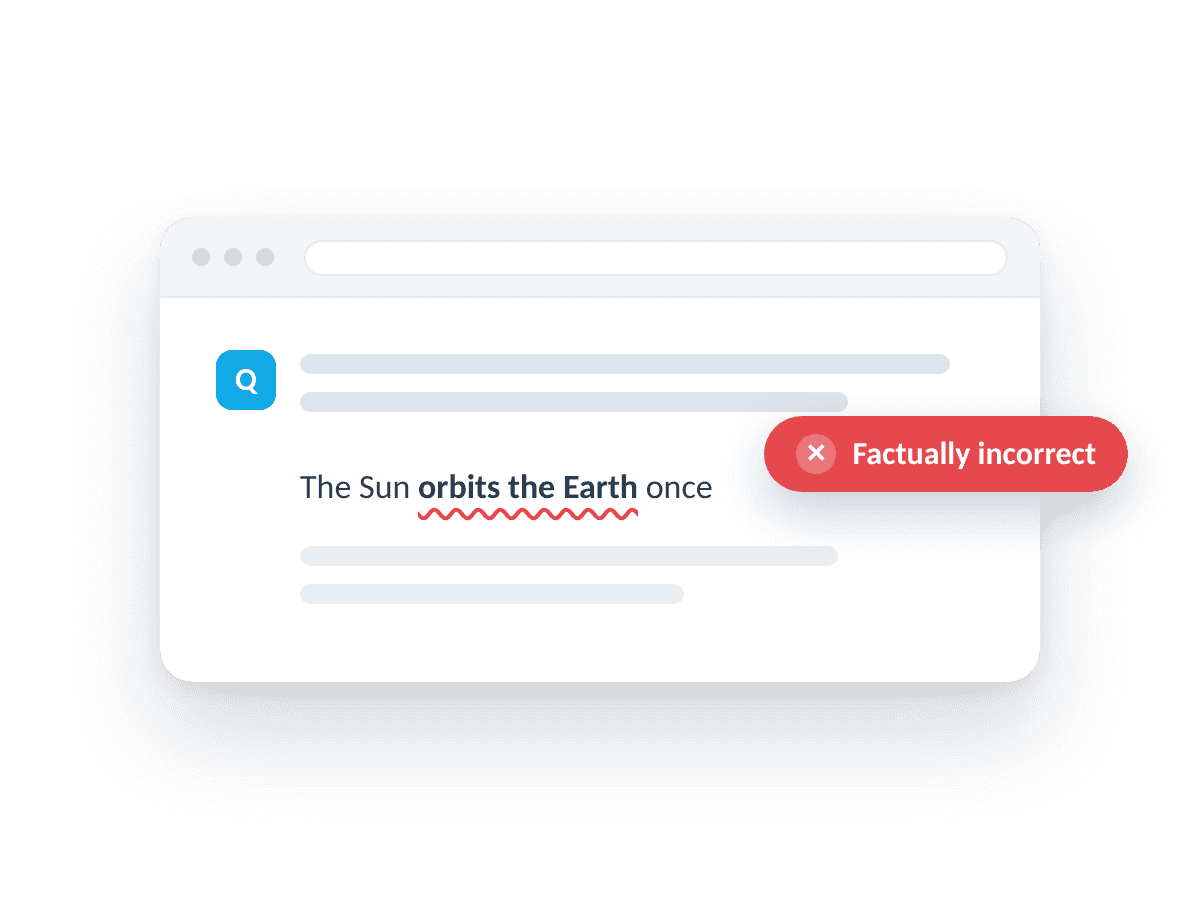
An objectively provable statement in the prompt, an answer choice, or the explanation is false.
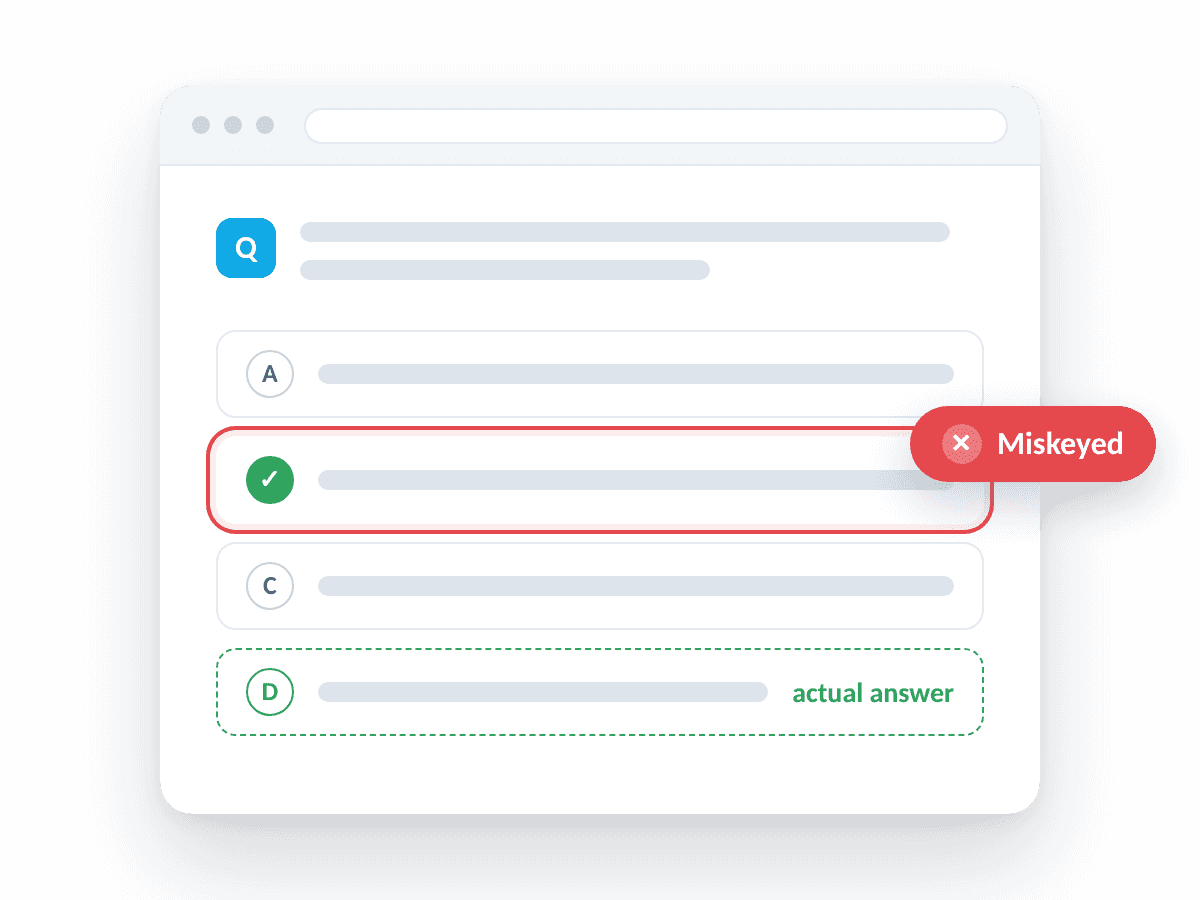
The keyed answer isn't correct as written, the key + the narrative explanation disagree, or two choices are close enough to equivalent that the key is arbitrary.
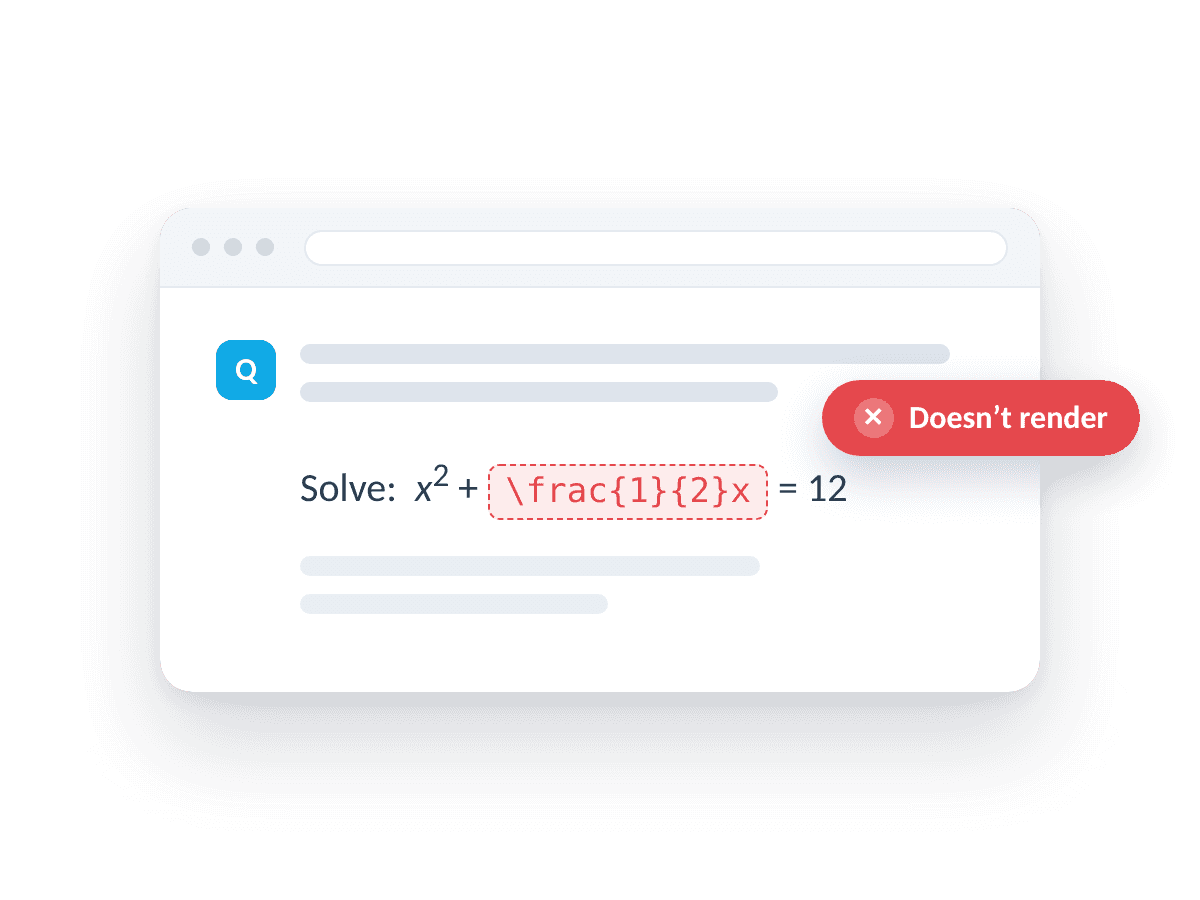
An error in the notation that changes the intended meaning of the math, including notation that is incorrectly “escaped” and thus doesn’t render.
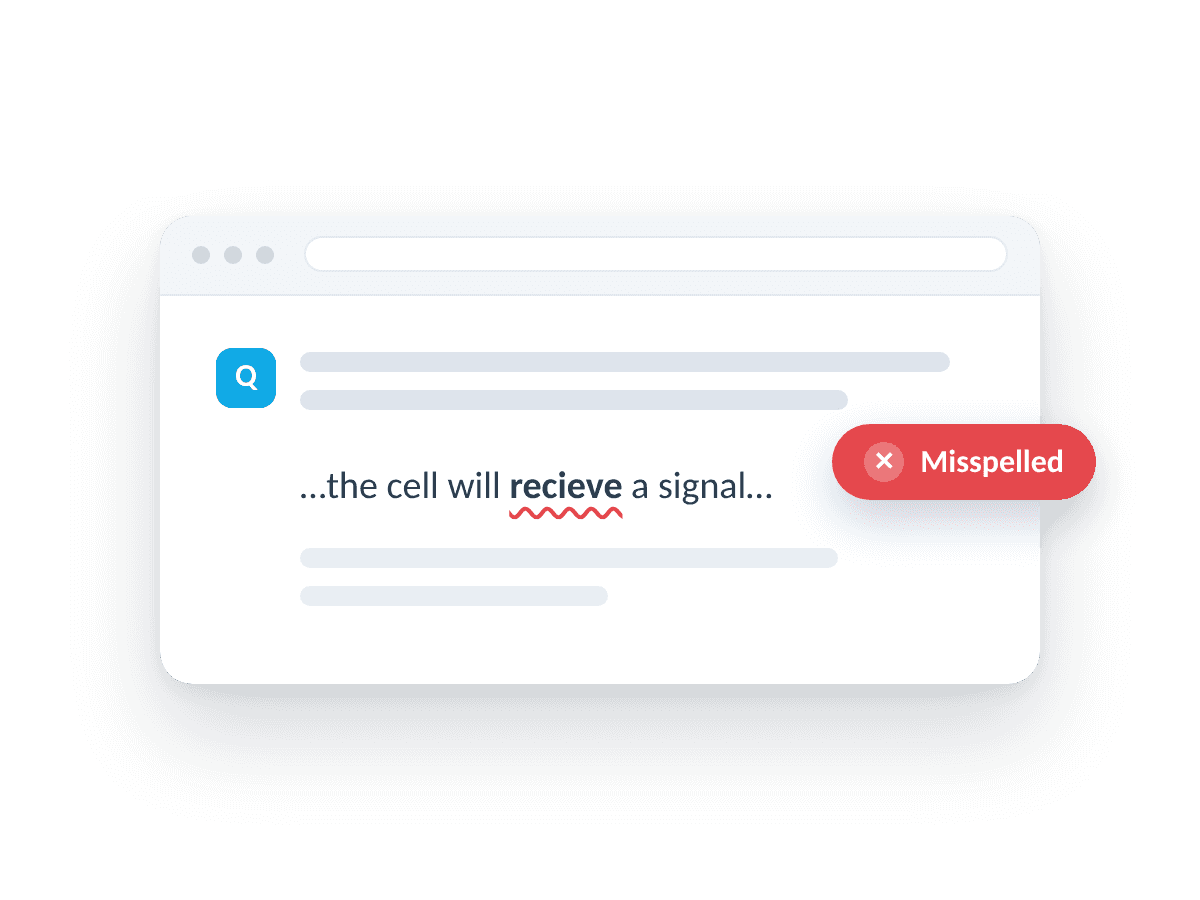
This does not include punctuation, but does include improper capitalization.
We always appreciate feedback. The following will be reviewed by our team, but not paid a bounty.
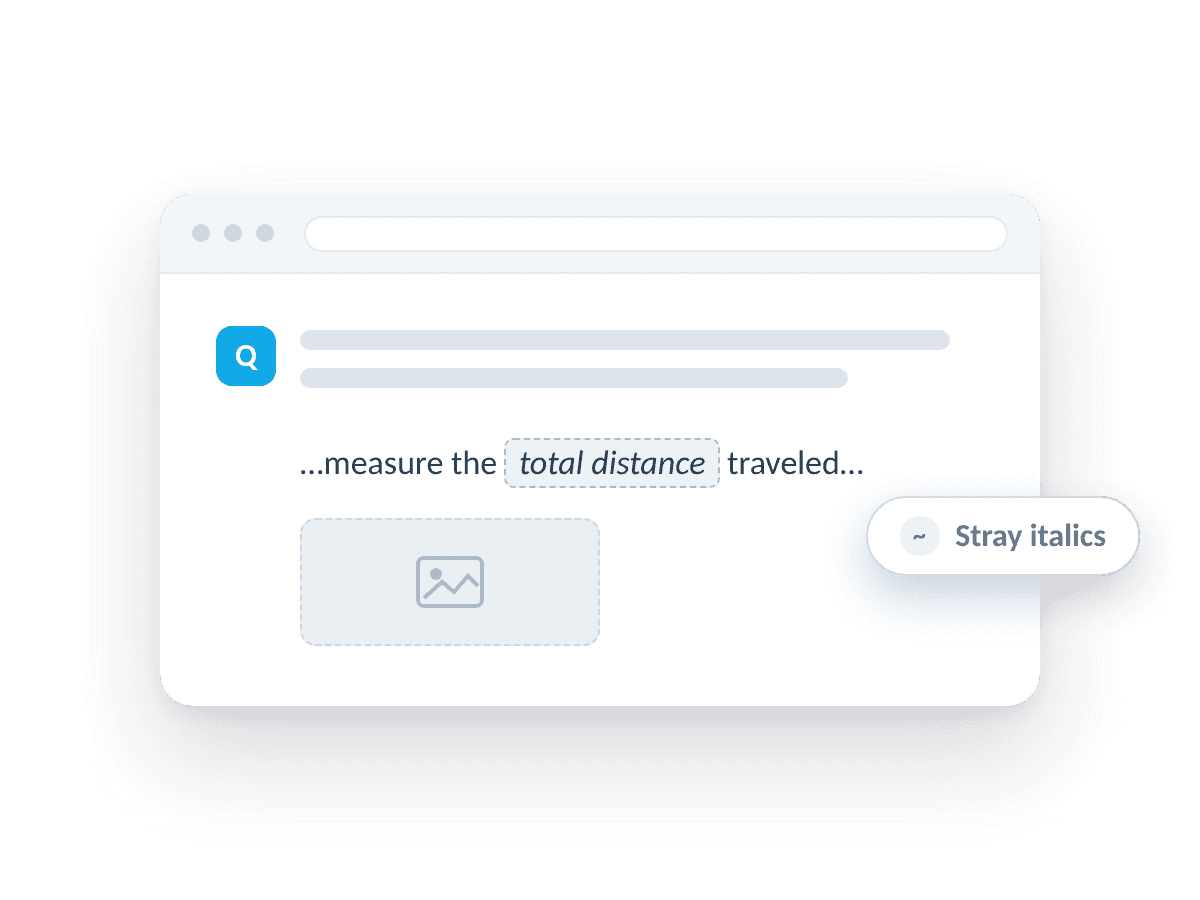
Including stray italics, misplaced underlines, spacing, and image sizing.
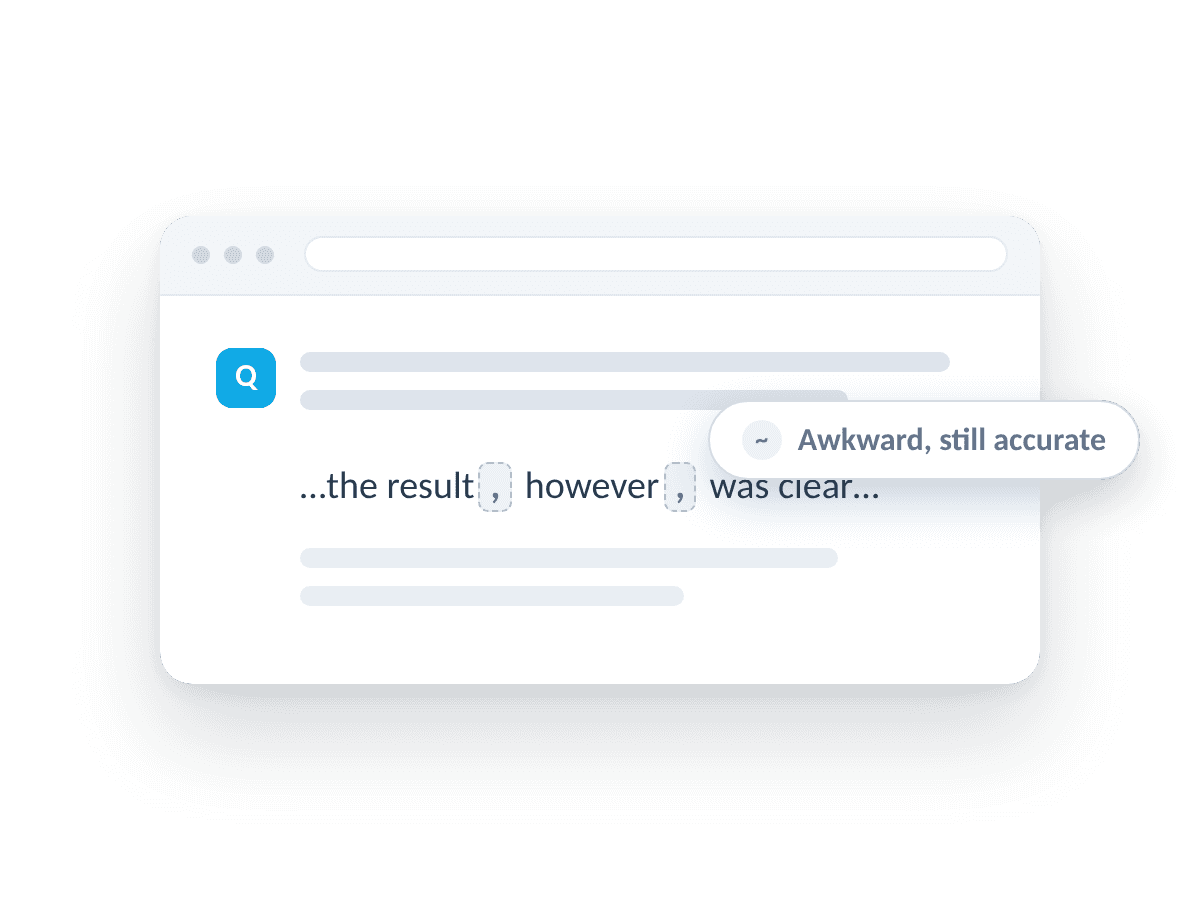
For example, (e.g., awkward mechanics) that don't change the meaning or accuracy of the question.
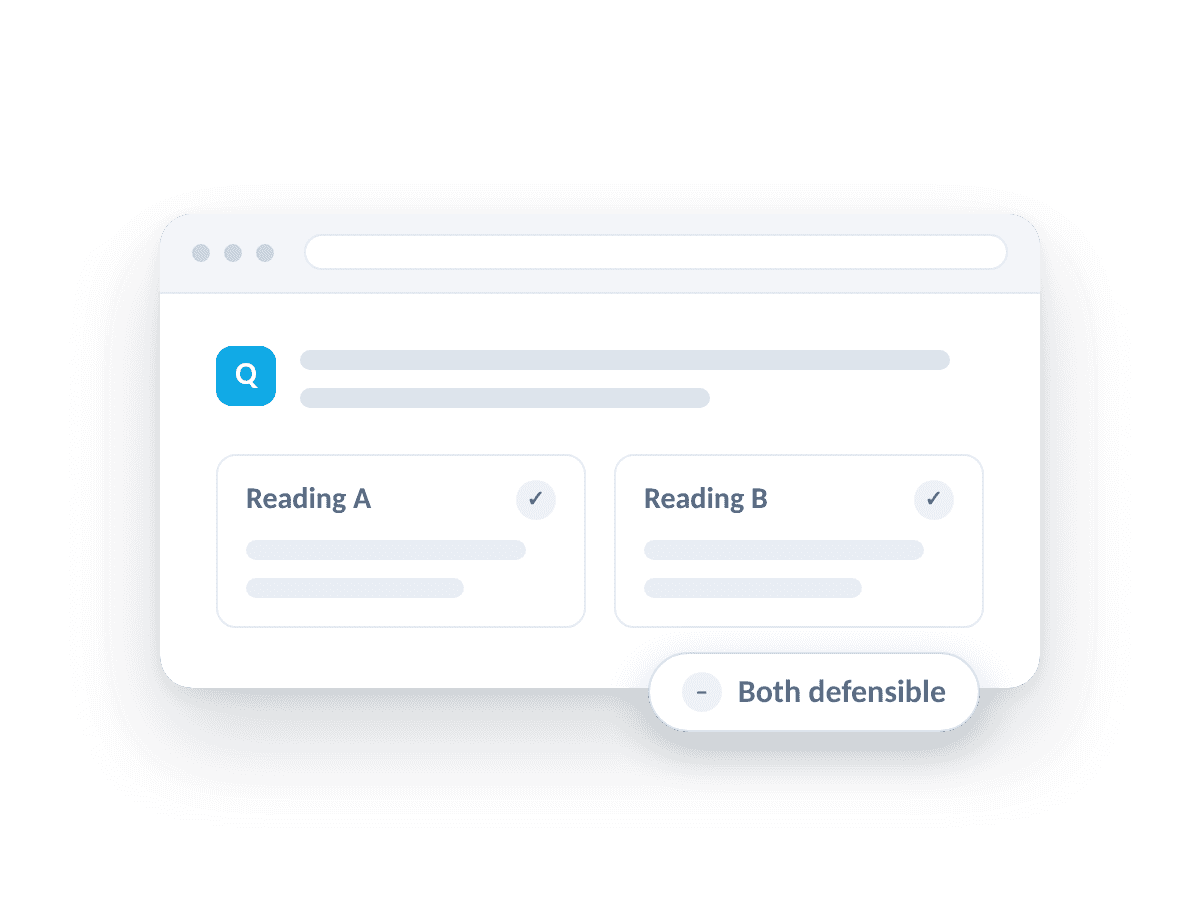
Specifically, cases where there is no definitive source to settle the disagreement: tone, bias, literary and historical readings, or which of several defensible answers is best.
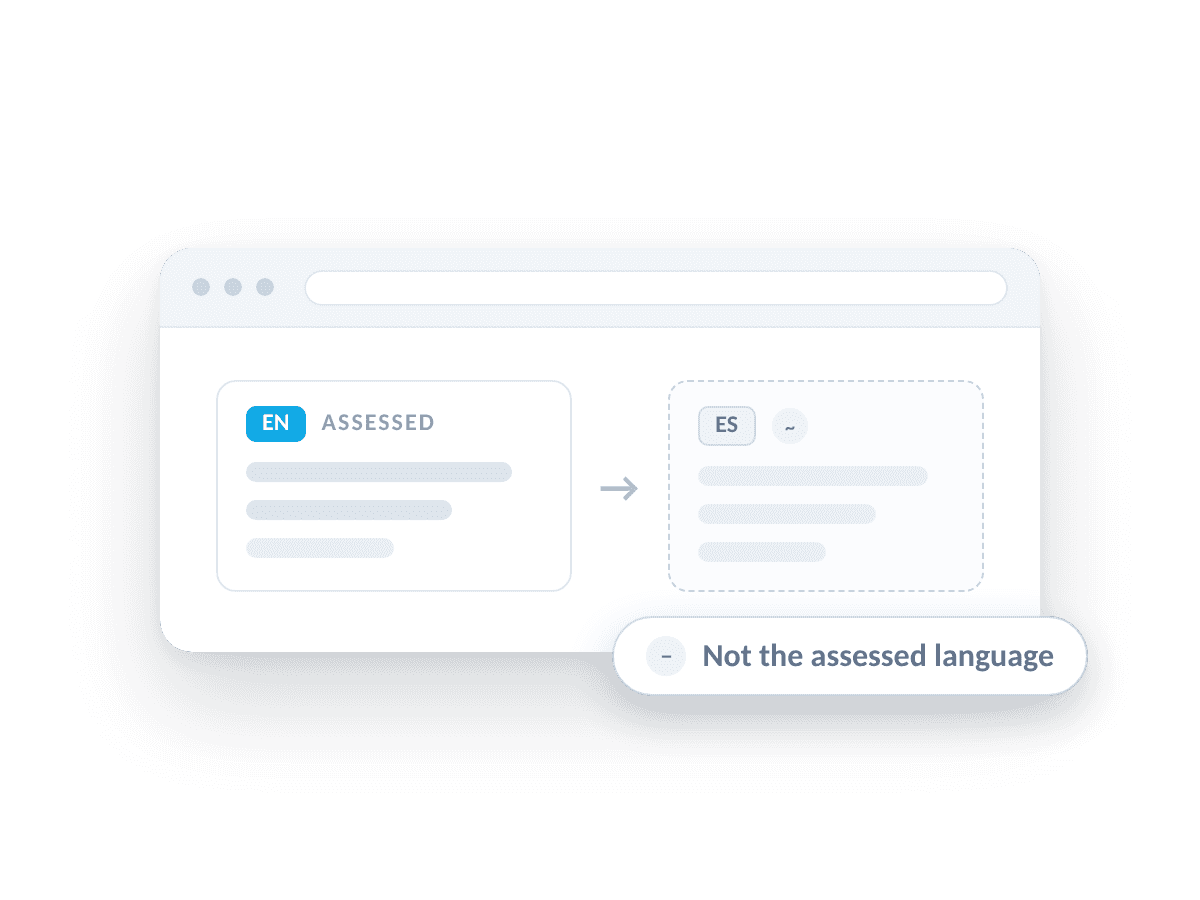
Specifically, if the translated content is primarily assessed in the English language (e.g., if a question in SAT® Math has an incorrect Spanish translation, that does not count as an error).
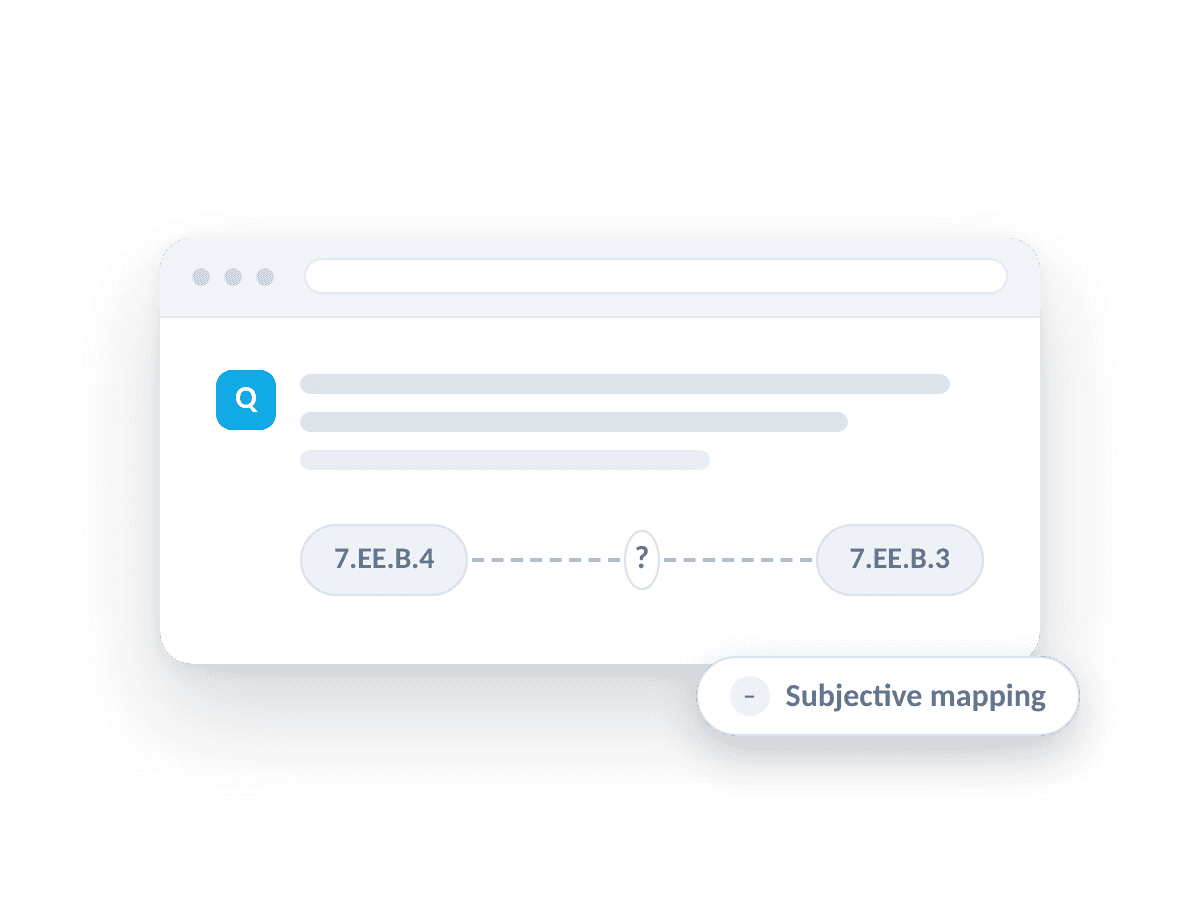
Because standards and how they align with practice questions can be subjective (i.e, if an explanation simply mentions a concept but it isn't the focus of the question), feedback about standards alignment do not qualify.
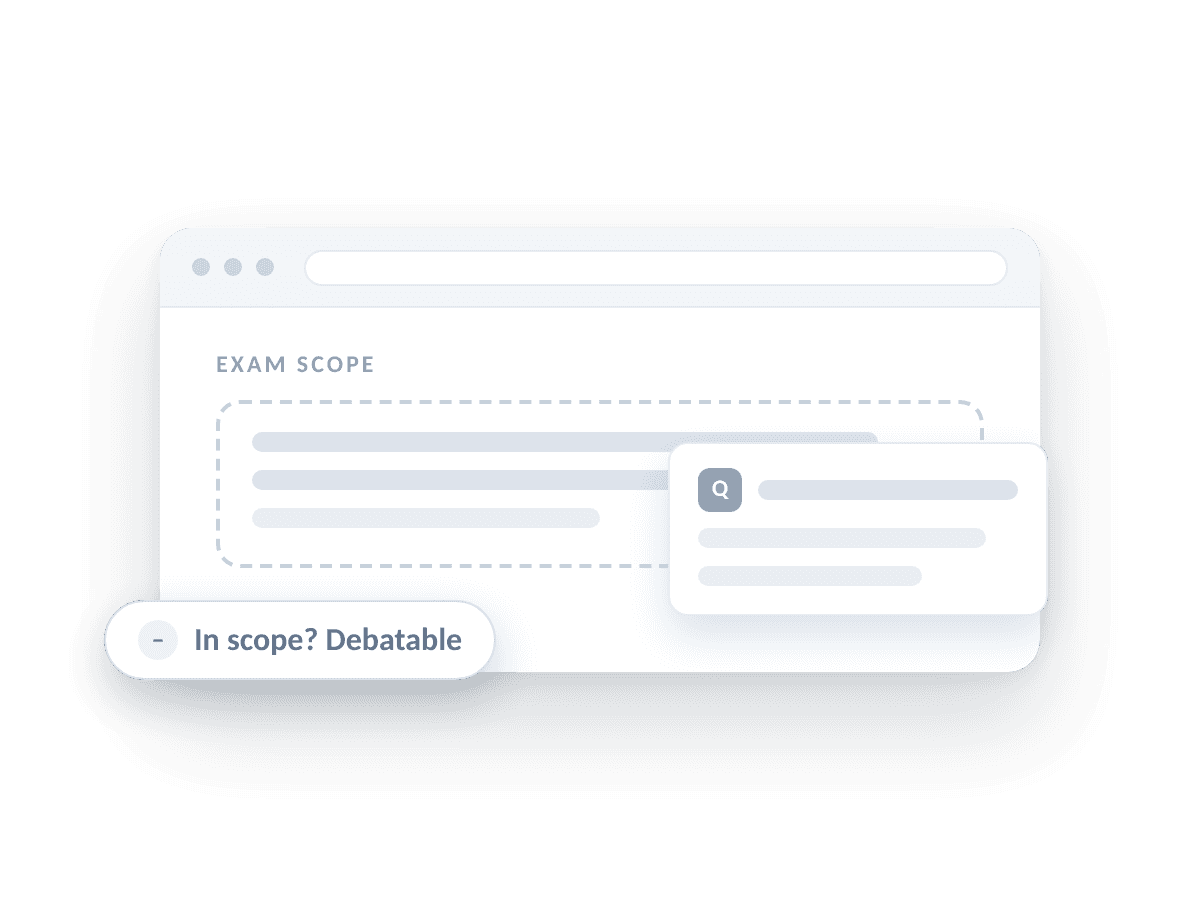
Similar to standards alignment, it is possible for their to be subjectivity with deciding if an item is fully within scope of an exam.
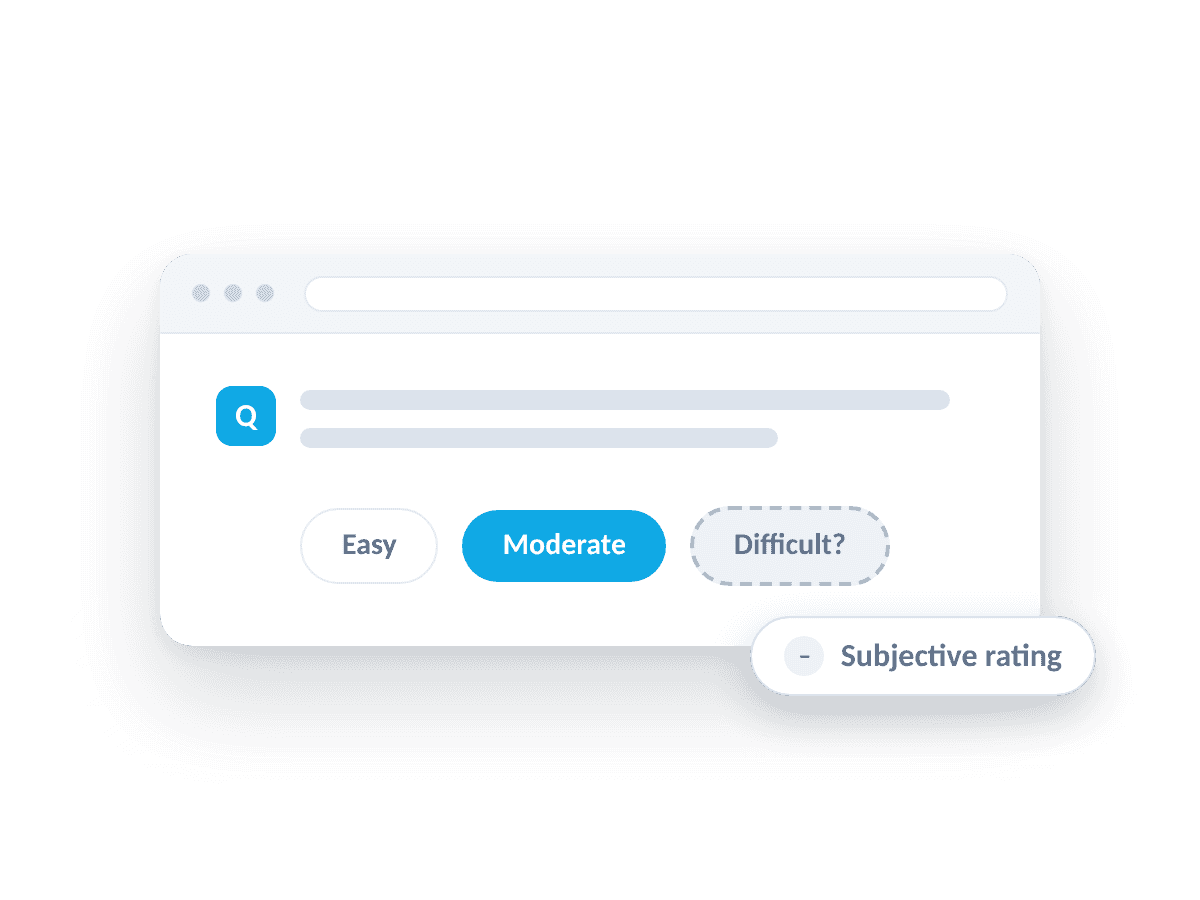
A disagreement about whether a question should be rated Easy, Moderate, or Difficult will not qualify, as such decisions are potentially subjective.
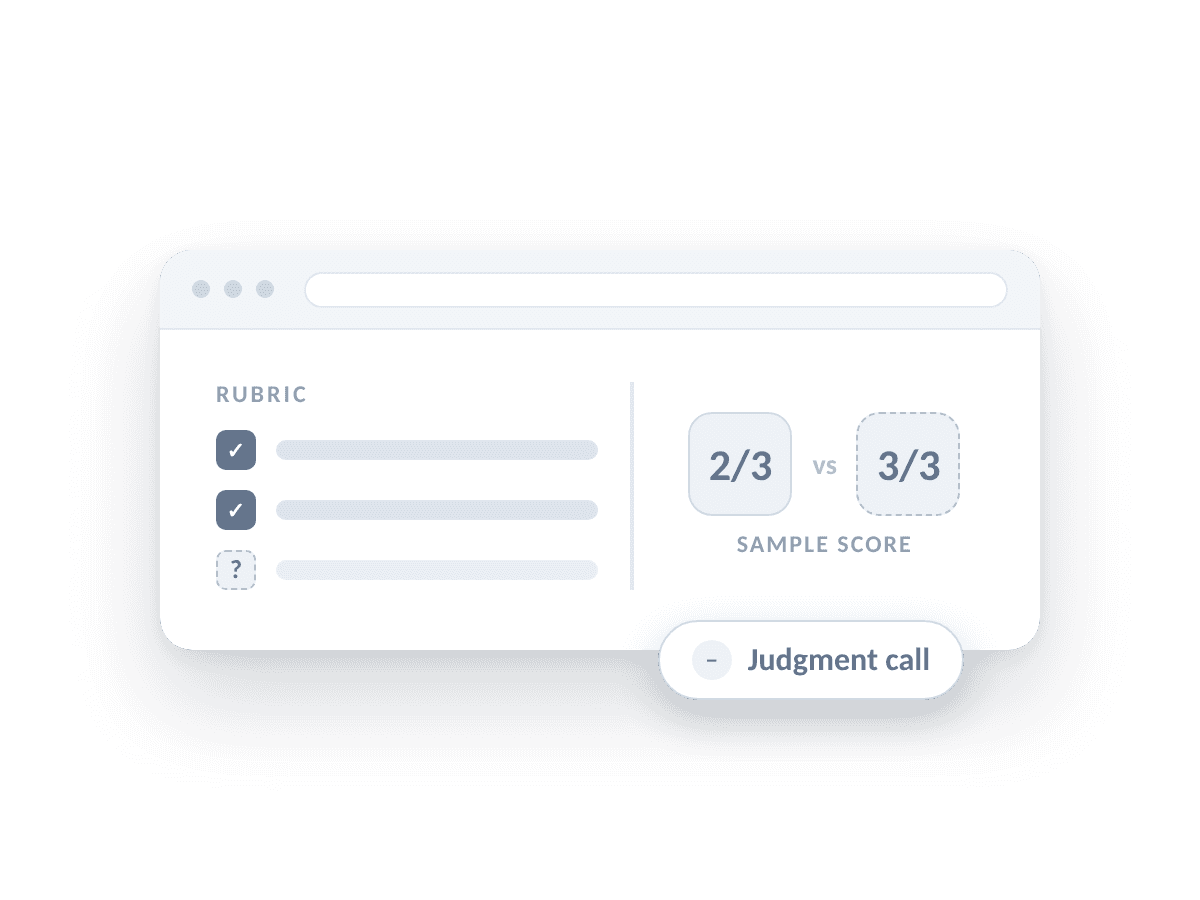
For every free response question on Albert, we provide a rubric and sample response. Disagreements over how the provided sample response would against the rubric are potentially subjective, and thus, do not qualify.