
Maximize your score with these resources:
- Albert.io AP® English Literature question banks
- Free AP® English Literature cheat sheets
- Free AP® English Literature score calculator
What We Review
Understanding Character Dynamics in Literature
When you read a story, the way characters interact with each other is just as important as who they are. These interactions—often called character dynamics—show how individuals change and influence one another over time. Understanding what drives these dynamics and how to spot them will help you write stronger essays and feel more confident on the AP® Literature exam. Let’s explore what character dynamics are, why they matter, and how to analyze them effectively.
What Are Character Dynamics?
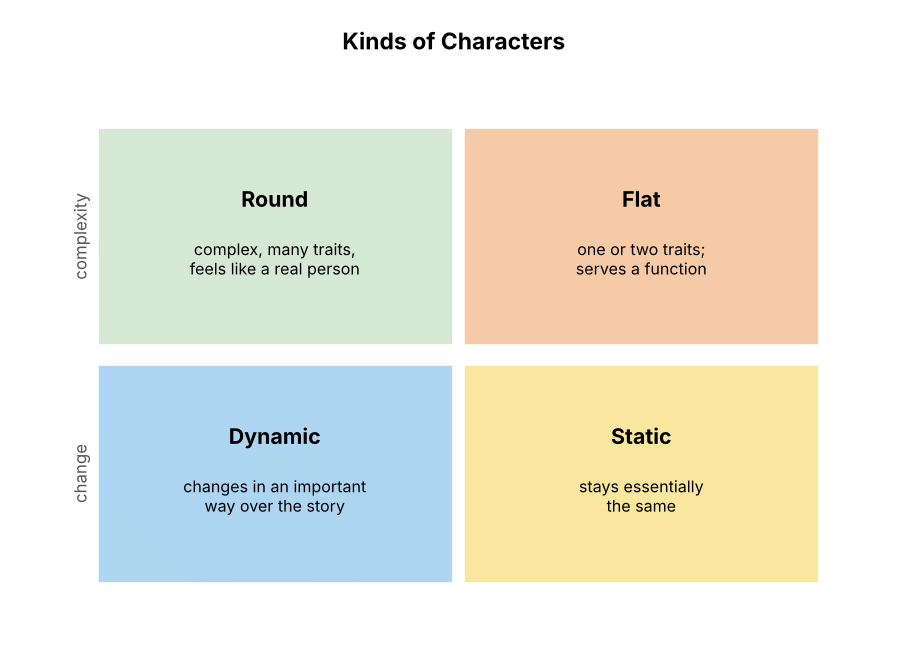
The term character dynamics describes the shifting relationships and connections between characters. These connections go beyond simple likes and dislikes. Instead, they focus on how characters’ views, motivations, and actions change as they respond to each other and to events in the plot.
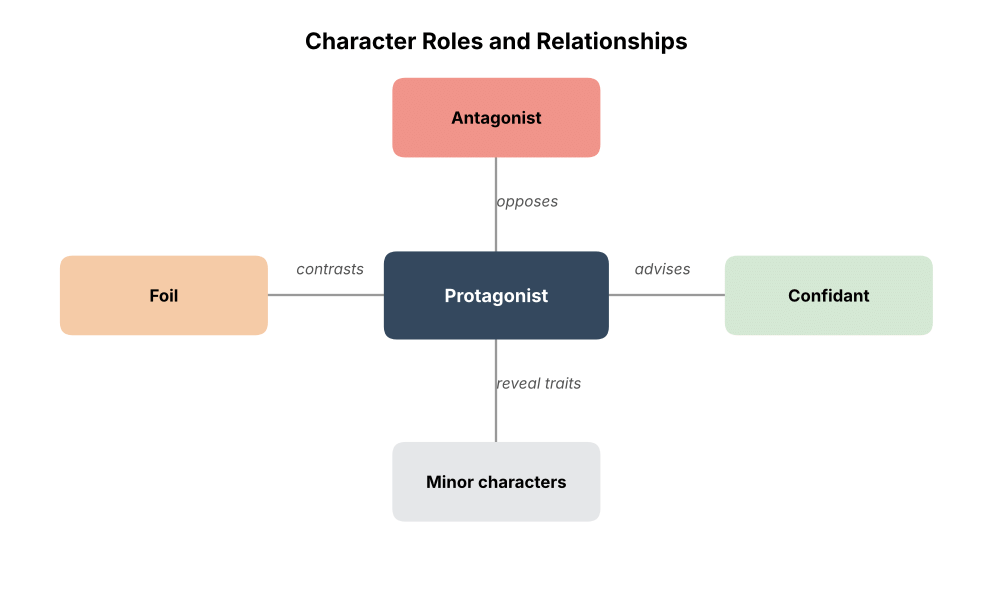
Think about it this way: when two people interact, they’re constantly revealing something about each other and about themselves. In Tim O’Brien’s The Things They Carried, the soldiers’ interactions highlight the complexities of trust and fear in wartime. When Lieutenant Jimmy Cross worries about whether he has led his men properly, you see a character wrestling with responsibility and guilt. The narrator captures this perfectly: “he carried the responsibility for the lives of his men.” Observing how Cross and his men shift from camaraderie to frustration under stress shows character dynamics at work. Their relationships aren’t static—they evolve based on the pressures they face.
Key Elements of Character Dynamics
Character Development
Character development traces the ways individuals grow or regress throughout a narrative. Sometimes a character might gain courage, while another loses hope. Sometimes they discover new values or abandon old beliefs. Your job as a reader is to track these transformations and ask: What caused this character to change? What does this change reveal about the story’s larger themes?
In Kate Chopin’s The Awakening, Edna Pontellier initially accepts society’s expectations for women. However, over time, she discovers a longing for personal freedom and selfhood. This shift is crucial. When Edna realizes, “I would give my life for my children; but I wouldn’t give myself,” you’re witnessing a pivotal moment of character development. Chopin reveals the tension between maternal duty and personal identity. This internal transformation shapes everything that follows in the novel, making it impossible to understand Edna without recognizing how she’s changed.
Character Conflict
Every strong narrative includes character conflict, which can be internal or external:
- Internal conflict: A character wrestles with personal beliefs, desires, or fears. This is the battle within.
- External conflict: A character faces opposition from outside forces—other characters, society, nature, or circumstances. This is the battle without.


In William Faulkner’s “A Rose for Emily,” Emily Grierson faces both types of conflict. Externally, she’s pressured by the townspeople and controlled by her father, who isolates her from potential suitors and normal social interaction. Internally, she struggles with abandonment, fear of change, and the passage of time. Her refusal to release her father’s body after his death—and later, her disturbing attachment to Homer Barron—reveals a character trapped between the world’s demands and her own psychological needs. Through these layered conflicts, Faulkner creates a complex portrait of how external pressure and internal trauma can shape a person’s actions in profound and ultimately tragic ways.
Interpersonal Relationships
Interpersonal relationships form the emotional core of most stories. How characters speak to each other, share secrets, or hide truths reveals their development and the story’s themes. In short fiction especially, where space is limited, every interaction carries weight and meaning.
In “Speaking of Courage” from The Things They Carried, Norman Bowker struggles to express his war experiences to those at home. He drives around a lake, imagining conversations with people who might understand. This isolation is heartbreaking. Even though Bowker’s attempts to communicate are mostly imaginary, they reveal how the bonds formed on the battlefield still affect him and how much he needs meaningful connection. The absence of genuine relationships becomes as important as the relationships themselves.
Analyzing Character Relationships
Identifying Relationship Patterns
One powerful way to analyze character dynamics is to look for patterns in how characters interact. A pattern might appear in:
- Repeated arguments or conflicts
- Secret confessions or hidden information
- Subtle gestures or physical actions
- Recurring dialogue or phrases
In Flannery O’Connor’s “Everything That Rises Must Converge,” the strained relationship between Julian and his mother is revealed through recurring conversations filled with sarcasm, frustration, and competing worldviews. Julian believes himself progressive and enlightened; his mother clings to outdated, prejudiced ideals. Their bus ride becomes a stage for emotional tension, where Julian repeatedly tries to “teach her a lesson.” Yet he still relies on her financially and emotionally. These repeated patterns expose the complexity of familial bonds and personal hypocrisy. By tracking these patterns, you’ll uncover the true nature of a relationship.
Recognizing Symbolism in Relationships
Sometimes the deepest insights into character dynamics come through symbols—vivid images, recurring objects, or repeated phrases that hint at meaning beneath the surface.
In Shirley Jackson’s “The Lottery,” the black box serves as a powerful symbol of tradition and communal violence. On the surface, the villagers interact casually and even friendlily. But the ritual surrounding the box reveals a darker dynamic of conformity, guilt, and complicity. The contrast between the townspeople’s friendly tone and the lottery’s deadly outcome exposes the disturbing undercurrents in their relationships. When you watch how characters respond to the box and to each other during the drawing, you uncover how social pressure and group thinking can override individual morality.
Practical Steps for Analyzing Character Dynamics
- Read closely and take notes on interactions: Look for conversations and descriptions that show how characters feel about each other. Pay attention to dialogue exchanges, body language, and narrative commentary. What do these moments reveal?
- Identify key quotes that reveal relationships: Short, well-chosen quotes can anchor your analysis. Highlight lines that sum up a character’s attitude, emotional state, or perspective on another character.
- Reflect on how characters change: Notice if any characters alter their goals, outlook, or tone. Do they grow or withdraw when facing challenges? How do they treat others differently as the story progresses?
- Compare interpretations with peers: Different readers see interactions in unique ways. Sharing observations can deepen understanding and help you catch details you might otherwise miss.
Tracking these steps reveals how character conflict fuels change and exposes thematic elements by demonstrating how personal values clash or unite in crucial moments of the plot.
Quick Reference Chart of Key Vocabulary
Use this chart to review important terms connected to character dynamics that often appear in AP® Literature discussions and essays:
| Term | Definition or Key Features |
| Character Development | How a character evolves in response to conflicts or revelations. Shows growth, regression, or resistance to change. |
| Foil | A character who contrasts with another, emphasizing particular traits or choices through comparison. |
| Motivation | The driving force behind a character’s actions, often tied to desires, fears, or moral beliefs. |
| Internal Conflict | A struggle within a character, such as moral dilemmas, competing emotions, or conflicting desires. |
| External Conflict | Challenges with outside elements: other characters, society, nature, fate, or circumstances. |
| Symbolism | Use of objects, images, or repeated phrases to represent deeper ideas, emotions, or relationships. |
| Subtext | Underlying meanings or implications in dialogue or interactions that are not directly stated. |
Test-Taking Strategies
Mnemonics and Quick Recall: Remember “DIRT” when analyzing character dynamics: Development (How do they change?), Interactions (How do they treat each other?), Relationship patterns (What repeats?), Thematic connections (What’s the larger meaning?). This acronym helps you quickly structure your thinking when you see a character dynamics question.
Cross-Topic Connections: Character dynamics work alongside other literary elements. Look for connections with:
- Theme: How do the relationships reflect what the work is saying about human nature, love, loyalty, power, or society?
- Plot: How do interactions between characters drive the action forward?
- Point of view: How does the narrator’s perspective shape your understanding of relationships?
Common AP® Question Formats: Watch for these types of questions:
- “How does the relationship between [Character A] and [Character B] develop over the course of the passage?”
- “What do the interactions between these characters reveal about [theme]?”
- “How does [Character] respond to conflict, and what does this reveal about their character?”
- “Analyze the shift in the relationship between these two characters. What causes this change?”
Frequent Student Mistakes to Avoid:
- Treating character dynamics as plot summary: Don’t just describe what happens. Explain what it reveals about how characters influence each other.
- Missing subtle shifts: Character dynamics aren’t always obvious. Look for small changes in tone, attitude, or behavior—these are often most revealing.
- Ignoring context: External pressure (war, poverty, social expectations) shapes how characters interact. Always consider what pressures they’re under.
- Forgetting textual evidence: Every claim about character dynamics needs support. Always cite specific moments, dialogue, or descriptions.
Time Management Tips: When you encounter a character dynamics question on the AP® exam:
- Spend 1-2 minutes identifying key interactions: Scan the passage for moments where characters interact meaningfully.
- Spend 2-3 minutes marking evidence: Highlight specific quotes or scenes that show character development or relationship shifts.
- Spend the remaining time explaining significance: Connect your observations to larger themes. Why does this relationship matter to the work’s meaning?
By mastering character dynamics, you’ll develop a more nuanced understanding of how literature works. Stories aren’t just about what happens—they’re about how people affect each other and how those relationships reveal deeper truths about human nature. On the AP® Literature exam, recognizing and analyzing character dynamics can elevate your essays from good to excellent.