

Maximize your score with these resources:
- Albert.io AP® English Literature question banks
- Free AP® English Literature cheat sheets
- Free AP® English Literature score calculator
Poetry can feel challenging at first, but paying close attention to structure untangles the mystery. Structure includes how lines are organized, how stanzas are arranged, and how rhyme and meter shape the poem’s overall flow. When you analyze the structure of a poem, you gain direct insights into the work’s deeper themes and emotional impact. This skill is crucial for success on the AP® Literature exam.
What We Review
What Is Structure in Poetry?
Structure in poetry describes the framework of a poem’s form and layout. It deals with:
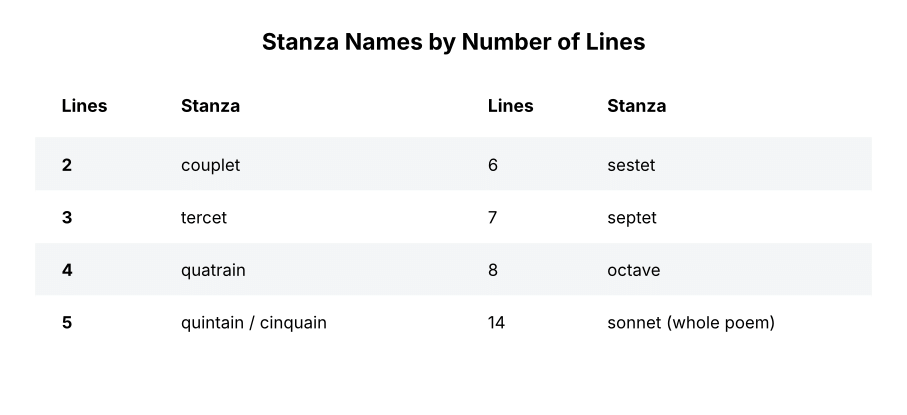
- Line breaks: Where lines end and how that affects pacing
- Stanza arrangement: How lines group together and what that grouping reveals
- Rhyme scheme: The pattern of end rhymes (ABAB, AABB, etc.)
- Meter: The rhythmic pattern of stressed and unstressed syllables
While theme and tone focus on meaning and emotion, structure explains the physical construction of each line and stanza. It indicates the poem’s pacing—how swiftly or slowly you move from one idea to the next.
Consider William Shakespeare’s Hamlet, where portions are written in blank verse (unrhymed iambic pentameter). In the famous line “To be, or not to be: that is the question,” the rhythm is built on the iambic pattern (da-DUM) across five beats, with an extra unstressed syllable at the end (a feminine ending). This measured rhythm mirrors a heartbeat, reflecting Hamlet’s conflicted state of mind. Observing how the language is structured reveals how rhythm can heighten tension and thematic weight.
Types of Structure in Poetry
Traditional Forms
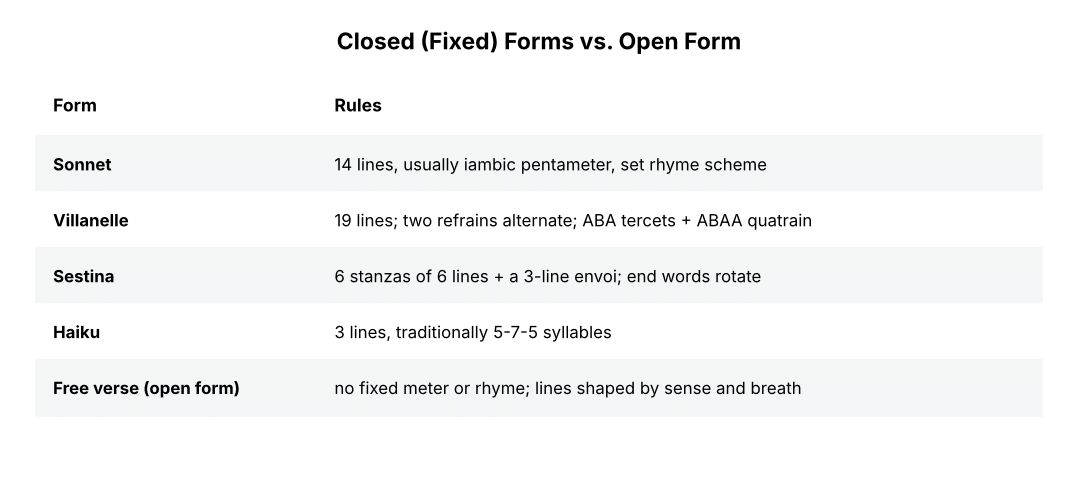
Some poems adhere to traditional forms that follow strict patterns of rhyme, meter, and length:
- Sonnets: 14-line poems (usually iambic pentameter) that often end with a couplet tying together main ideas
- Haikus: Three lines with a 5-7-5 syllable count, capturing a fleeting moment or insight
- Villanelles: Known for their refrains, repeating lines at regular intervals to emphasize a central motif
In a Shakespearean sonnet, each stanza (quatrain) sets up a core issue or perspective, which the final two lines resolve. This structural pattern helps build tension, then releases it with a concluding couplet that drives home the main theme.
Free Verse
Free verse poems break from predictable patterns and do not conform to set rhyme schemes or meters. Yet structure still exists, though more subtly. Poets rely on enjambment, line breaks, and spacing to highlight important ideas. The absence of strict patterns gives poets greater flexibility, creating a tone that feels more conversational or spontaneous.
Stanza Patterns
A stanza is a grouped set of lines within a poem, often set off by a space. Stanzas organize ideas and images much like paragraphs in prose. Consistent stanza lengths establish regular rhythm; varying lengths show changes in mood or subject matter. The arrangement shifts how you experience pacing, tone, and tension.
Rhyme and Meter
Rhyme schemes like ABAB or AABB unify lines through sound echoes. Regular meters such as iambic pentameter or trochaic tetrameter create deliberate rhythm. In Shakespeare’s work, noble characters speak in iambic pentameter, adding dignity. Breaks from that pattern signal emotional upheaval or heightened drama.
Rhyme and meter are not merely decorative. They direct how you naturally pace each line and highlight crucial points. Heightened rhythm often appears in lines conveying significant themes or emotions.
How to Analyze the Structure of a Poem
Follow this step-by-step approach:
- Read the poem: Begin with an open mind. Note immediate impressions or emotional responses.
- Identify the type of structure: Determine if it is a traditional form (like a sonnet) or free verse.
- Look at stanza lengths: Ask whether stanzas are uniform or varying. How might each stanza add or shift meaning?
- Examine rhyme and meter: Does the poem have a clear rhyme scheme? Is the meter consistent, or does the poet break it for effect?
- Consider breaks or shifts: Observe line breaks, stanza breaks, or sudden changes in rhythm. Why might the poet choose these moments?
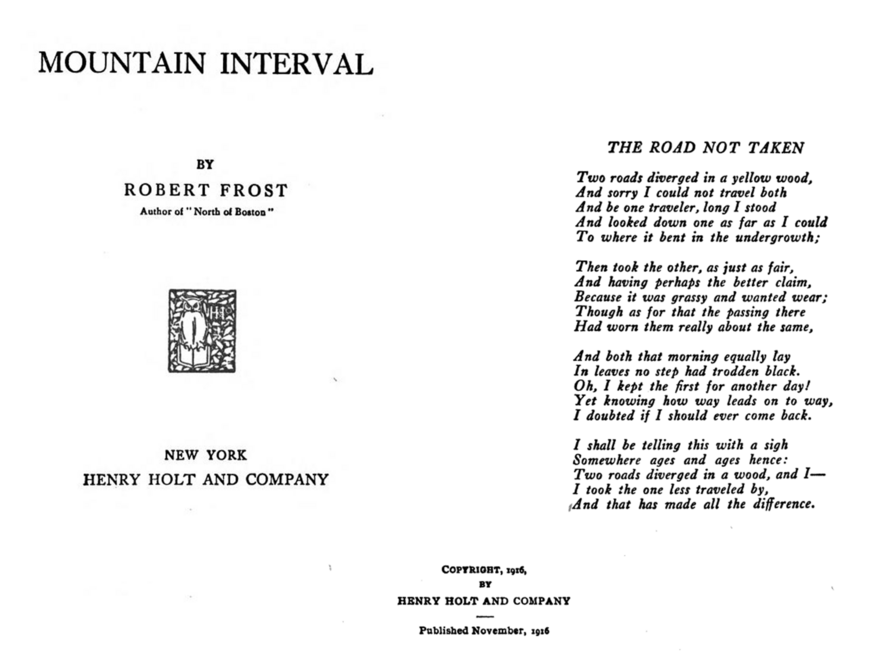
Example: Robert Frost’s “The Road Not Taken.” Frost uses four quintains/cinquains (five-line stanzas), a consistent ABAAB rhyme scheme, and steady, conversational meter. When Frost writes “Two roads diverged in a yellow wood,” the straightforward rhythm mirrors a calm traveler pausing at a fork. Yet each stanza builds suspense, emphasizing internal debate about choice and consequence. Analyzing every structural aspect reveals how the poem’s design supports its central theme: the impact of decisions.

Structure in Poetry: Key Terms Reference
| Term | Definition | Effect on Meaning |
| Stanza | A grouped set of lines, often set off by space | Organizes ideas; controls pacing and emphasis |
| Rhyme Scheme | Pattern of end rhymes (ABAB, AABB) | Creates unity; guides reader movement |
| Meter | Rhythmic pattern of stressed and unstressed syllables | Establishes pace; highlights emotional intensity |
| Enjambment | Continuation of a sentence across line breaks | Creates momentum; mimics natural speech or urgency |
| Caesura | A strong pause within a line (signaled by punctuation) | Forces reader to pause; emphasizes preceding words |
| Quatrain | A four-line stanza | Common in sonnets; builds argument step by step |
| Volta | A turn or shift in thought (especially in sonnets) | Marks thematic or logical pivot; signals resolution |
| Line Break | The point where a line of poetry ends | Affects pacing, emphasis, and meaning of words at line end |
Test-Taking Strategies
Mnemonics and Quick Recall: Use “FORM” to organize your thinking when analyzing structure:
- Form type: Is it a sonnet, villanelle, free verse, haiku, or other form?
- Organization: How are lines and stanzas arranged? What does this reveal about pacing and emphasis?
- Rhyme and rhythm: Is there a rhyme scheme? What is the meter? Are there deviations?
- Meaning: How does the structure support or challenge the poem’s theme?
Cross-Topic Connections:
- Structure and theme: Form choices often embody theme. A villanelle’s repetition might mirror obsession; free verse might suggest emotional chaos or rebellion against convention.
- Structure and tone: Regular meter creates formal, measured tone; broken meter creates urgency, instability, or emotional turmoil.
- Structure and imagery: Line breaks can isolate powerful images, forcing you to linger on them and see them with fresh eyes.
- Structure and speaker: Formal structure can suggest a controlled, confident speaker; free verse might suggest doubt, experimentation, or authenticity.
Common AP® Question Formats:
- “How does the poet’s use of [specific form/meter/line break] contribute to the poem’s meaning?”
- “Analyze the rhyme scheme and its effect on pacing and reader experience.”
- “Why does the poet break from the established meter/form at this moment?”
- “How does the stanza arrangement reflect the poem’s progression of ideas?”
- “What does the volta reveal about the poem’s argument or perspective?”
Frequent Student Mistakes to Avoid:
- Confusing form with content: Just because a poem is a sonnet doesn’t mean it’s always about love. Identify the form, then ask what it’s actually exploring.
- Ignoring deviations: When a poet breaks the established pattern (a broken rhyme, irregular meter, unexpected line break), that’s intentional. Analyze why and what it reveals.
- Overlooking line breaks in free verse: Line breaks carry meaning. A word isolated at the line end gets emphasis and demands attention.
- Treating meter as decoration: Meter isn’t just pretty. It directs your reading pace, creates emphasis, and shapes emotional response.
- Forgetting to connect form to theme: Never analyze structure in isolation. Always ask: how does this structure support what the poem is saying?
Time Management Tips for the AP® Exam:
- Identify form quickly (30 seconds): Sonnet? Villanelle? Free verse? Haiku? Name it immediately.
- Mark the rhyme scheme (1 minute): Label line endings (A, B, A, B, etc.) to visualize patterns and see variations.
- Note shifts or breaks (1 minute): Where does the poem deviate from its established pattern? Circle or underline these moments; they signal thematic importance.
- Scan for meter hints (30 seconds): Read aloud mentally. Is it steady and regular, or does it jar and break? That’s your meter at work.
- Connect to argument (1 minute): State how the structure supports the poem’s main claim, emotion, or perspective. Avoid vague statements; be specific about cause and effect.
On exam day, remember that structure is never arbitrary. Every line break, every stanza division, every rhyme choice serves the poem’s larger purpose. Poets use form to direct your reading experience and embed meaning in the very skeleton of the work. By mastering structural analysis, you’ll unlock layers of meaning that superficial reading misses—and your essays will reflect that sophistication.
Check for Understanding
Think you’ve got it? Complete the quiz below to make sure. Download your results at the end.