
Maximize your score with these resources:
- Albert.io AP® Art History question banks
- Free AP® Art History cheat sheets
- Free AP® Art History score calculator
Understanding how culture shapes art is fundamental to AP® Art History, and nowhere is this clearer than in prehistoric art. Between 30,000 and 500 BCE, humans across continents created artwork revealing their spiritual beliefs, social structures, environmental pressures, and ritual practices. This article covers Topic 1.1: Cultural Influences on Prehistoric Art (Learning Objective CUL-1.A), which asks you to analyze how cultural practices, beliefs, and values influenced the creation and meaning of art in prehistoric societies. On the exam, you’ll encounter questions about why certain subjects appear in cave paintings, what megalithic structures reveal about social organization, and how environment shaped artistic expression across cultures. You need to move beyond identifying artifacts and explain the cultural logic behind them.
The Function of Prehistoric Art in Ritual and Belief Systems
Prehistoric art wasn’t created for display in galleries or for individual expression. It served direct functions within the spiritual and ritual life of communities. Understanding these functions is essential because they explain why specific subjects, techniques, and locations appear repeatedly across cultures separated by thousands of years and vast distances.
- Shamanic and spiritual rituals: Many researchers believe prehistoric art, especially hand stencils and animal paintings in caves, was connected to shamanic practices and trance states. Hunters may have created animal images to establish spiritual connection with prey before hunts, as a form of sympathetic magic. Hand stencils found in caves like El Castillo (Spain) and Sulawesi (Indonesia) may represent individual identity within ritual contexts or mark participation in ceremonies. The repetition of certain motifs across continents suggests these practices fulfilled deep psychological and social needs.
- Fertility and female imagery: Female figurines like the Venus of Willendorf and Venus of Brassempouy suggest that fertility—both human and agricultural—was a central cultural concern. These weren’t necessarily “Venus” figures in a classical sense; they may represent idealized female forms, pregnant women, or symbols of abundance. Their widespread distribution from western Europe to Siberia indicates that fertility symbolism was a shared cultural value across Paleolithic societies, even those with no direct contact.
- Territorial and identity markers: Art marked space and communicated identity. Hand stencils and specific motifs in certain caves may have signaled group ownership or sacred sites. The deliberate placement of art in difficult-to-reach chambers suggests that access was restricted, making art a tool for establishing hierarchy and controlling knowledge within communities.
Why this matters for the exam: When you see a prehistoric artwork, you need to ask what cultural need it served. The exam will show you an unfamiliar artifact or site and ask you to infer cultural values. If you understand that prehistoric societies used art for ritual, identity, and spiritual control, you can construct sophisticated answers about why they invested time and resources in creation.
Cave Painting Traditions and Environmental Adaptation
Cave paintings from across the world reveal how environmental context shaped what people painted and how they painted it. The animals depicted, the pigments used, and the cave locations themselves all reflect adaptation to specific landscapes and climates.
| Site / Region | Key Characteristics | Cultural Significance | Environmental Context |
|---|---|---|---|
| Chauvet Cave (France, ~32,000 BCE) | Among the oldest known cave paintings in Europe. Depicts dangerous predators (lions, rhinos, bears) alongside prey animals (horses, woolly mammoths). Uses sophisticated shading and perspective techniques. Red ochre and black charcoal pigments. Many hand stencils. | Reveals that early humans thought deeply about apex predators and danger, not just food sources. The technical sophistication suggests ritual or specialized knowledge-holders. Hand stencils may mark individual participation or identity within group ritual. | During last ice age. Predators were a genuine threat. Subject matter reflects lived reality, not just fantasy. |
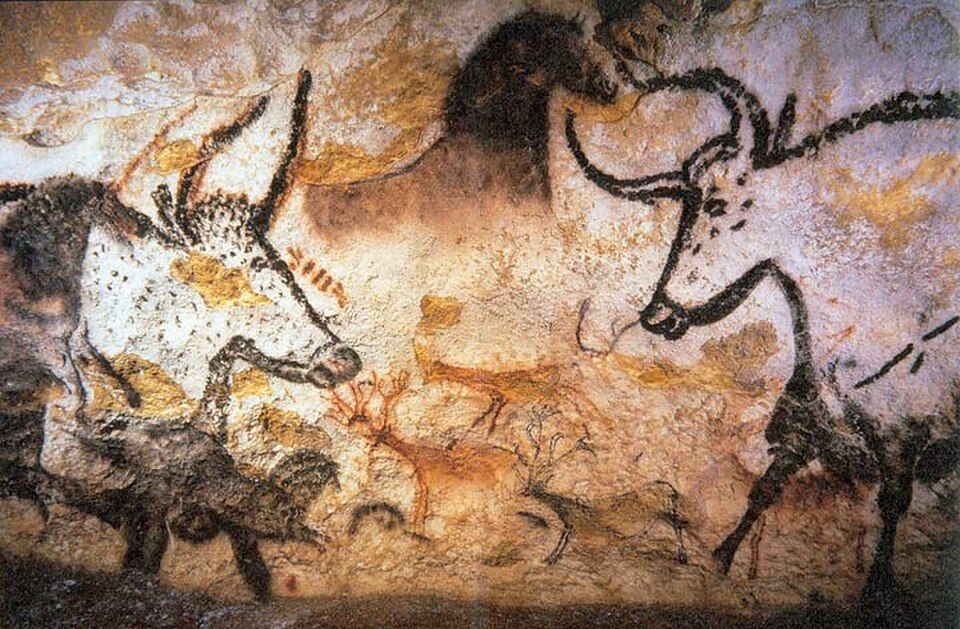
| Lascaux (France, ~15,000 BCE) | Famous for the “Hall of the Bulls”—massive aurochs (wild bulls), horses, and deer rendered in red and yellow ochres. Dynamic movement in poses. Few human figures. Located in chamber accessible only to initiates. | Scale and accessibility suggest ritual hunting magic. Animals were positioned in specific chambers, possibly used for different ceremonies. The restriction of access implies hierarchical knowledge and power structures within the community. | Last glacial period. Reindeer, the main prey at Lascaux, are rarely depicted, which complicates the sympathetic magic hypothesis. |
| Altamira (Spain, ~15,000 BCE) | Polychrome paintings (multiple colors) of bison, horses, and hands. Artists adapted natural rock contours to suggest 3D form. Pigments: red ochre, charcoal, bone black, manganese dioxide. | Demonstrates mastery of color application and understanding of volume and perspective. The use of rock contours shows intentional engagement with the physical space as part of the artwork. | Coastal region with access to diverse pigment sources and game animals. Environmental richness may have allowed time for artistic refinement. |
| Sulawesi (Indonesia, ~40,000 BCE) | Hand stencils and depictions of animal hunts. Earliest known figurative art in Southeast Asia. Red and yellow pigments. Stencils made by spraying pigment around hands. | Proves that symbolic art-making emerged independently in different regions, suggesting it responds to universal human needs rather than diffusing from one source. Hand stencils may mark ritual initiation or group identity. | Tropical island environment with different fauna (no mammoths or rhinos). Subject matter reflects local hunting practices and species present in the region. |
The variation across these sites reveals crucial cultural patterns. Different environments produced different subjects—European caves emphasize ice age megafauna because those animals were present and culturally significant (as food and danger). Indonesian caves show local species and hunting practices. Yet the underlying impulse—to create hand stencils, to use sympathetic magic for hunts, to mark sacred spaces—appears everywhere. This tells you that while specific cultural content varies by environment, the functions of art (spiritual, social, communicative) are universal.
Megalithic Architecture and Social Organization
While cave painting captures spiritual and ritual concerns, megalithic structures—massive stone monuments built across Neolithic Europe, the Mediterranean, and beyond—reveal how culture organized labor, expressed cosmology, and structured society.
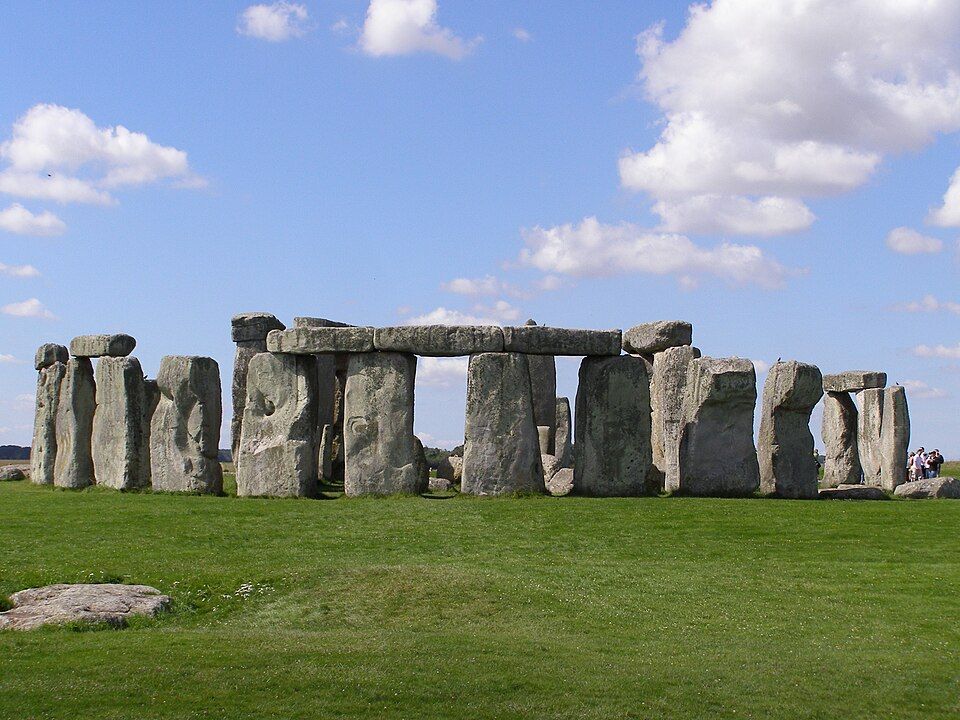
- Stonehenge (England, ~3000-1500 BCE): A monument requiring moving sarsen stones weighing up to roughly 30 tons from about 15-20 miles away and smaller bluestones from Wales, about 150 miles away. The precision of alignment to solstices indicates sophisticated astronomical knowledge and suggests ritual ceremonies tied to seasonal cycles. The massive investment of communal labor indicates centralized authority and shared cultural values strong enough to organize thousands of people across generations. Stonehenge was likely a burial site, ceremonial space, and cosmological marker combined—reflecting a culture that saw the heavens, the dead, and the living as interconnected.
- Passage tombs (Ireland, Scotland, ~3500-2500 BCE): Structures like Newgrange feature long passages leading to central chambers, often aligned to astronomical events (sunrise on winter solstice for Newgrange). The practice of communal burial suggests ancestor veneration and lineage identity. The construction required organized labor, signaling social hierarchy. The astronomical alignment shows cosmological knowledge and the belief that the dead, the cosmos, and the living community were ritually connected.
- Menhirs and alignments (Brittany, Carnac, ~4500-3000 BCE): Standing stones arranged in long lines or circles. These monuments may mark territorial boundaries, mark sacred pathways for ritual processions, or represent ancestor lines. The labor required suggests communal identity and shared purpose, but unlike tombs, they didn’t directly serve burial functions—indicating that monumentality itself (the act of moving and arranging massive stones) had cultural meaning independent of practical function.
- Dolmens (Western Europe, ~4000-2000 BCE): Chambers made of large stones, often used as collective tombs. The practice of communal burial in a shared stone structure suggests kinship-based identity and the importance of maintaining connection with ancestors. The durability of stone—lasting millennia—suggests a culture that valued permanence and the idea that the dead remained present and relevant to the living.
What these megalithic structures reveal about culture is profound. First, they show social organization sophisticated enough to coordinate large groups toward shared goals over long periods—evidence of leadership, planning, and shared worldview. Second, they reveal cosmological beliefs linking the heavens (through astronomical alignment), the dead (through burial practices), and the community (through shared labor and ritual). Third, they indicate that monumental expression—the impulse to create structures that outlast individuals—was a fundamental cultural value.
Portable Objects, Material Culture, and Daily Life
Beyond caves and megaliths, prehistoric societies created small objects—figurines, tools with decorative elements, decorated pottery, jewelry—that reveal culture in more intimate ways.
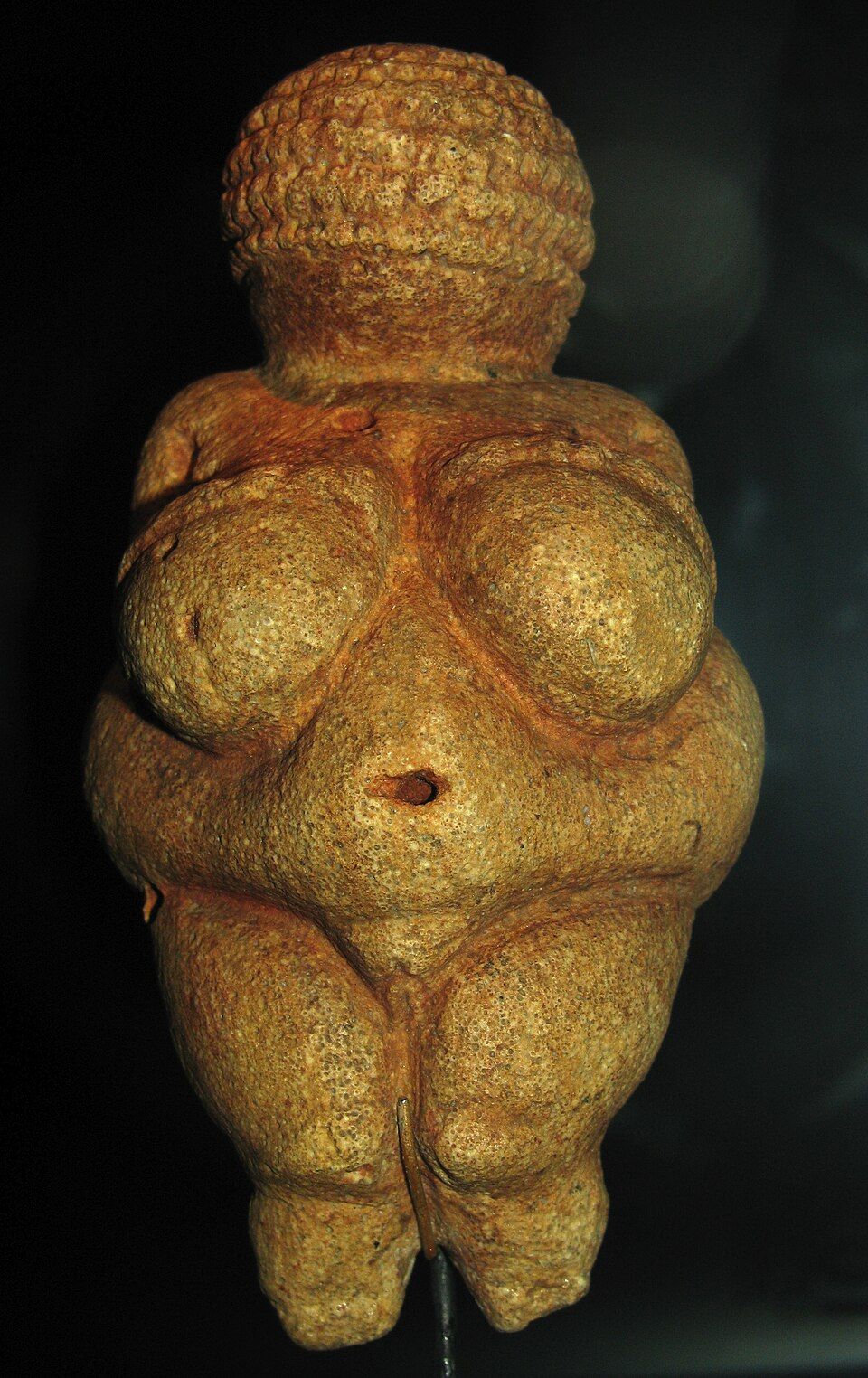
- Venus figurines (throughout Eurasia, 25,000-15,000 BCE): Small carved figures emphasizing breasts, bellies, and hips—representing fertility, maternity, or idealized female form. Their widespread distribution from France to Siberia suggests fertility was a shared cultural concern across diverse groups. These objects may have been traded, suggesting exchange networks and cross-cultural contact. Their portability meant they could accompany people and serve as personal spiritual objects, suggesting that individual or family spiritual practice was important to culture.
- Decorated bone and antler tools: Harpoon points, fish hooks, and needles decorated with geometric patterns or animal imagery show that function and aesthetic value coexisted. A tool was both practical and beautiful, suggesting that culture valued beauty as integral to daily life, not separate from it. Geometric patterns—dots, lines, triangles—may represent abstract thought or decoration for its own sake, showing cognitive development.
- Pottery decoration (Neolithic, ~9000 BCE onward): As agriculture emerged and people settled, decorated pottery becomes abundant. Patterns are often geometric or anthropomorphic. Pottery served practical purposes (storage, cooking) but was also aesthetically elaborated, reflecting cultural values about beauty and identity. Specific motifs or styles may have marked group identity or region, making pottery a cultural marker archaeologists use to track trade and migration.
- Personal ornament and status: Jewelry made from shells, bone, and stone indicates that people invested in personal appearance and that status existed—some individuals had access to rare materials or prestigious objects. Shells found far from coasts show long-distance trade networks, indicating cultural exchange and shared value systems across regions.
These portable objects matter because they show that culture expressed itself through everyday life, not just in ceremonial spaces. A decorated harpoon or a Venus figurine carried in a pouch reveals that beauty, fertility, skill, and spiritual meaning were woven into mundane activity. This breadth of artistic engagement—from caves to tools to personal ornament—shows that prehistoric societies were constantly creating meaning.
Geographic Variation and Cultural Distinctiveness
One critical insight for the AP exam: while certain patterns appear globally (hand stencils, fertility imagery, monumentality), prehistoric cultures were geographically distinct and adapted their art to local environments, available materials, and regional concerns.
- African art traditions (later than European cave painting): Saharan rock art from the pastoral period (roughly 5000-3000 BCE) shows cattle herding cultures with different concerns than European hunters. Imagery emphasizes pastoralism, human figures engaged in daily activity, and a different aesthetic. Subject matter was shaped by environment and economy, not a universal pattern.
- Asian Paleolithic traditions: Southeast Asian hand stencils, Japanese cord-marked pottery, and Chinese figurines all show local innovation. Asian sites don’t have the same abundance of cave paintings as Europe, reflecting different choices about how and where to create ritual imagery.
- Americas: By 15,000-10,000 BCE, humans inhabited North and South America and created rock art adapted to local fauna (bison, llamas, jaguars) and environments. Monumental earthworks like mounds later emerged, showing that mega-building impulses appeared independently.
- Pacific traditions: By the Neolithic, complex ceramic and wooden traditions emerged in island Southeast Asia and beyond, showing independent development and regional distinctiveness.
Why this matters: The exam tests whether you understand that culture is locally rooted and responsive to environment. You can’t assume that what you see in European cave paintings explains all prehistoric art. Different regions developed different traditions, solved different problems, and expressed different values. An effective answer recognizes both universal patterns (humans everywhere made art, marked identity, performed ritual) and specific cultural variation (what they painted, how they built, what materials they valued).
Test-Taking Strategies
Mnemonic devices and memory shortcuts: Create a mental geography of major sites tied to their cultural significance: “CHALK” for Chauvet, Handprints, Altamira, Lascaux, and cultural context. For megaliths, think “SAP”—Stonehenge (astronomy/authority), Ancestors (passage tombs), Permanence (the cultural value of durable monuments). For portable objects, remember “VPO”—Venus figurines (fertility), Pottery (identity/trade), Ornament (status/beauty).
Cross-topic connections: CUL-1.A (cultural values shaping art) connects directly to CUL-1.B (how geographical and environmental factors influenced artistic development) and CUL-1.C (how trade and contact spread artistic traditions). If you see a question about megalithic structures, you should think about how their construction reveals social organization—a concept tested in other topics about power and labor. Prehistoric art also connects to later religious and ceremonial art across units; understanding the spiritual function of prehistoric imagery helps you analyze how culture and religion interact with artistic production throughout history.
Common question formats: The exam typically presents unfamiliar prehistoric artifacts or site descriptions and asks you to infer cultural values. You might see a photo of hand stencils in a newly discovered cave and be asked what this reveals about Paleolithic culture. Or you might encounter a description of megalithic construction requiring thousands of workers and be asked what this indicates about social organization. Reading comprehension is key—the prompt gives you information about environment, location, labor required, or ritual context; your job is to connect that to cultural values. Example: “A Neolithic settlement shows that pottery was decorated despite serving a purely functional role. What does this suggest about the culture’s values?” Answer framework: The time invested in decoration despite no functional benefit indicates the culture valued aesthetics, beauty, and individual/group identity alongside survival.
Frequent student mistakes: First, students often assume all prehistoric art serves the same function. In fact, hand stencils may mark identity, animal paintings may serve hunting magic, and figurines may represent fertility—different objects, different functions. Don’t collapse them into “prehistoric art = religion.” Second, students underestimate the sophistication of prehistoric cultures. Just because a society is “prehistoric” doesn’t mean it lacked organized labor, astronomical knowledge, or complex belief systems. Stonehenge and passage tombs represent significant cognitive and organizational achievement. Third, students miss the importance of environment. When you see a cave painting of mammoths in France, remember that mammoths were actually present in that region during the ice age—the art reflects local reality and local concerns, not universal human interests. Fourth, students confuse correlation with causation. Just because hand stencils appear worldwide doesn’t mean they all meant the same thing; hand stencils fulfilled universal human needs for identity and ritual, but specific meaning varied by culture.
Test-day shortcuts: When you encounter a prehistoric artwork, quickly ask: (1) What materials are used and what does that reveal about the environment? (2) Where is it located and what does access (private, communal, difficult to reach) suggest about its function? (3) What subject is depicted and what does that reveal about the culture’s concerns? (4) How much labor was required and what does that reveal about social organization? Answering these four questions efficiently will give you material for a strong response. For megalithic sites, always address the cosmological and social dimensions—monuments aren’t accidents; they reflect carefully constructed worldviews.
Time management tips: Prehistoric art questions often require you to move beyond identification into inference. Don’t spend time listing all the details you know about a site; instead, quickly identify the key cultural insight. If the question is about hand stencils, your answer should focus on identity and ritual access, not describe every hand stencil location. If it’s about a Venus figurine, focus on what fertility imagery reveals about culture and cosmology, not the specific dimensions of each figurine. Practice turning archaeological details into cultural arguments—that’s what the AP exam rewards.
Check for Understanding
Think you’ve got it? Complete the quiz below to make sure. Download your results at the end.