
Maximize your score with these resources:
- Albert.io AP® US Government question banks
- Free AP® US Government cheat sheets
- Free AP® US Government score calculator
An Introduction to the Executive Branch
A substantial portion of the AP® US Government & Politics exam will test your knowledge of the three branches of government — executive, legislative, and judicial — and how they interact to check each other’s powers. This crash course focuses on the Executive Branch, which is most commonly associated with the presidency.
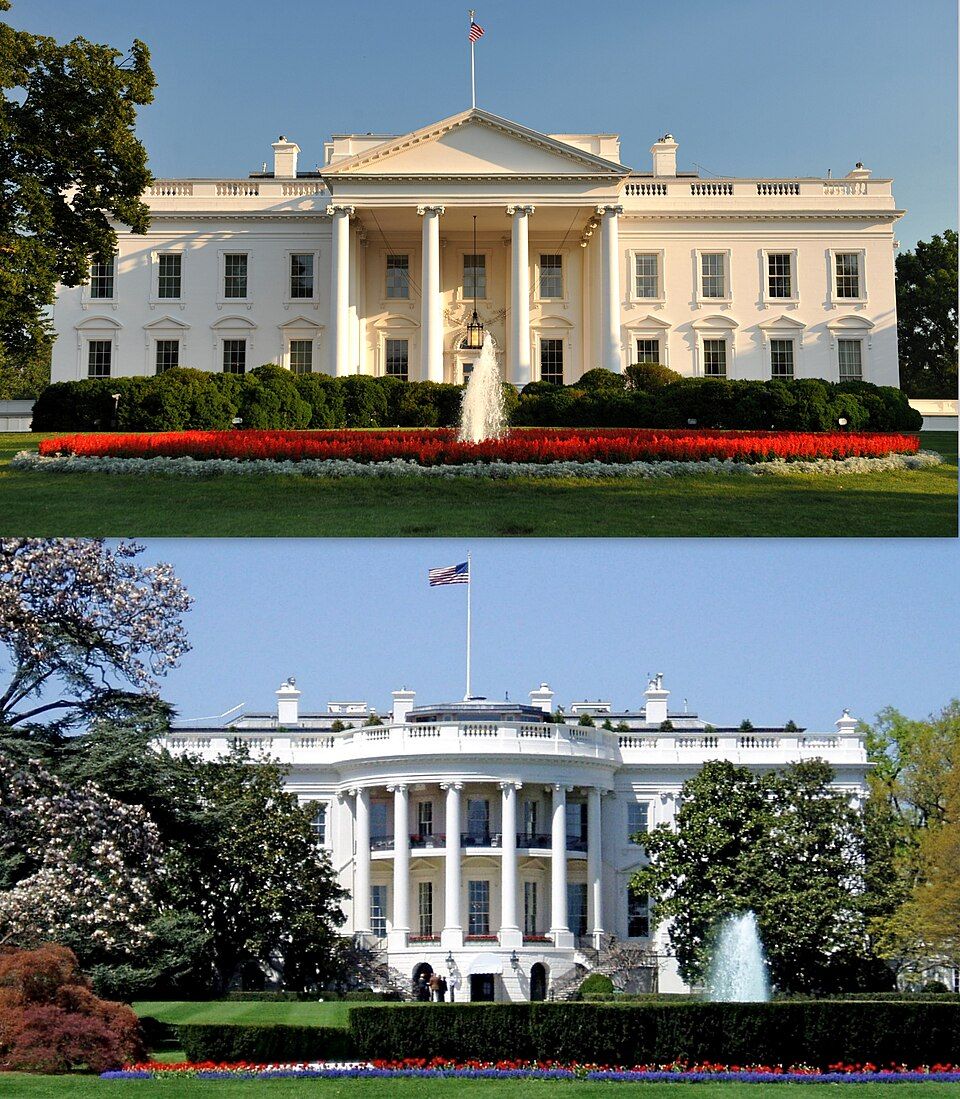
The Executive Branch is broader than just the president, though. It includes the vice president and the cabinet — the Secretaries of State, Defense, and the Treasury, the Attorney General, and other officials who manage the federal bureaucracy. For AP exam purposes, however, it’s acceptable to think of the Executive Branch primarily as the presidency, since that is where the vast majority of its power resides.
Who can be President?
The president is chosen by the Electoral College. According to the Constitution, a presidential candidate must meet three requirements: be at least 35 years old, be a natural-born citizen of the United States, and have lived in the U.S. for at least 14 years.
These constitutional requirements say nothing about race, gender, or professional background — though prior to 2009, all presidents had been white men, most of whom had served in the Senate or as a state governor. Some had previously held Cabinet positions. The election of Barack Obama in 2008 marked the first time a Black American served as president, reflecting how social and political change can evolve beyond constitutional minimums.
Origins of the Presidency
Having just fought a war against the British monarchy, the Founding Fathers were deeply wary of concentrating power in a single, strong leader. Their original vision was for an “executive officer” whose primary role would be implementing the laws written by Congress — subordinate to the legislature, not equal to it.
Over the course of the Constitutional Convention, delegates gradually settled on a more empowered executive — one they envisioned General George Washington filling. Even so, the presidency they created had substantial powers that were deliberately contingent upon congressional involvement and oversight. The tension between presidential independence and congressional control has defined American government ever since.
The Powers of the Presidency
Article II of the Constitution vests the president with the power to command the military as Commander-in-Chief. However, the president must go to Congress for military funding and, constitutionally, for a formal declaration of war.
In practice, presidential war powers have expanded dramatically since the founding. Presidents from Truman to Obama have launched military operations without formal congressional declarations of war, citing emergency circumstances. The War Powers Resolution of 1973 attempted to limit this, requiring the president to notify Congress within 48 hours of committing troops and to withdraw forces within 60 days absent congressional authorization — but presidents have routinely contested its constitutionality.

This is a key theme in AP® US Government: since the founding, presidential power has expanded considerably, often at the expense of Congress.
The president’s core legislative powers include:
- Signing legislation: The president can sign bills passed by Congress into law.
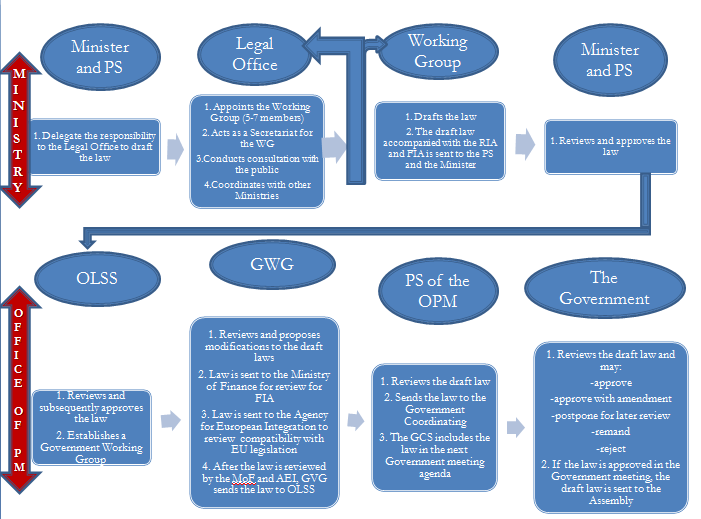
- Veto power: The president can reject legislation, returning it to Congress. A veto can only be overridden by a two-thirds vote in both the House and Senate — a very high bar that ensures most vetoes are final.
- Treaty-making: With the advice and consent of two-thirds of the Senate, the president can enter into treaties with foreign nations.
- Appointment power: The president nominates federal judges (including Supreme Court justices), Cabinet members, and senior federal officials, subject to Senate confirmation.
- Pardon power: The president can pardon individuals convicted of federal crimes or commute their sentences.
Administering the Laws
A major source of presidential power comes from Article II’s charge to “take care that the laws be faithfully executed.” To fulfill this responsibility, presidents use three key tools:
- Executive orders: Directives that carry the force of law without congressional approval, typically used to direct how federal agencies implement existing legislation.
- Presidential proclamations: Formal declarations on matters of national importance. Abraham Lincoln’s Emancipation Proclamation — which freed enslaved people in Confederate states — remains the most famous example.
- Presidential memoranda: Similar to executive orders but typically used for routine administrative guidance and policy interpretation.
These tools become especially significant when the president faces an uncooperative Congress. By directing how laws are implemented, presidents can substantially shape policy without new legislation — a trend that has accelerated in the modern era and is a frequent topic on the AP exam.
Other Powers of the Presidency
Not all presidential power is written in the Constitution. The president possesses significant informal powers — often called “soft power” — that are not enumerated in Article II but are politically powerful.
The most important informal power is the bully pulpit: the president’s unique platform to speak directly to the nation and shape public opinion. Because almost every American knows who the president is — unlike most senators or representatives — presidential addresses, State of the Union speeches, and press conferences command national attention in ways no other official can match.
The president also serves as the unofficial leader of his or her party, with the ability to influence the legislative agenda, shape party messaging, and mobilize party voters. This informal influence over Congress can be just as impactful as a formal veto.
AP Exam tip: Do not neglect the unenumerated (informal) powers of the presidency. They appear frequently in FRQ prompts and multiple-choice questions. The president’s bully pulpit, party leadership role, and use of executive orders are all examples of powers that go beyond the text of the Constitution.
How the Public Sees the President
Public expectations of the president are extraordinarily high — sometimes impossibly so. Presidential approval ratings rise and fall with economic conditions, domestic crises, foreign policy events, and personal conduct. The economy is consistently the single most powerful driver of presidential popularity: when the economy thrives, presidents are popular; when it struggles, approval drops regardless of other achievements.
Historical examples illustrate this clearly. Richard Nixon’s presidency collapsed over Watergate. Ronald Reagan’s survived the Iran-Contra scandal. Bill Clinton was impeached but remained popular because of a booming economy. In each case, the public’s reaction was shaped by a combination of conduct, context, and economic conditions.
A recurring pattern: presidents typically enjoy a “honeymoon period” of high approval at the start of their term. Approval often declines as controversial policies are debated, then tracks closely with economic performance for the remainder of the term.
A Sample Free-Response Question
Though the founders intended Congress to be the leading federal branch, presidents now find themselves with more power.
- Identify and describe two ways this trend toward increased presidential power has occurred (excluding presidential authority over the federal bureaucracy).
- Explain how presidential authority over the federal bureaucracy has increased executive power.
Part 1 Sample Answer: Since the question excludes the bureaucracy, focus on other mechanisms. First, presidents have repeatedly initiated military action without formal congressional declarations of war — from Truman in Korea to more recent examples — effectively expanding war powers beyond what Article II strictly authorizes. Second, the “bully pulpit” has grown dramatically in the television and social media era. Presidents can now speak directly to millions of Americans, shaping public opinion in ways that pressure Congress to act or create political cost for opposition.
Part 2 Sample Answer: The president uses executive orders and memoranda to direct how federal agencies interpret and implement existing laws — often in ways that advance the president’s own policy priorities without congressional input. Since the bureaucracy executes the vast majority of day-to-day federal activity, controlling how it operates is a powerful lever. Congress writes the laws, but the president shapes how those laws are carried out.
Test-Taking Strategies
Mnemonic for Presidential Powers: Use “STAMP” to remember the key expressed powers: Sign/veto legislation, Treaties (with Senate consent), Appointments (judges, Cabinet), Military command, Pardon power. These are the core Article II powers that appear most frequently on the exam.
Cross-Topic Connections:
- Checks and balances: Every presidential power is checked by another branch. Vetoes can be overridden. Treaties require Senate consent. Appointments require Senate confirmation. Judicial review can strike down executive orders.
- Federalism: Presidential power operates at the federal level; state governors have their own parallel executive structures. Questions sometimes ask you to compare federal and state executive power.
- Public opinion and the media: The president’s bully pulpit connects directly to how public opinion shapes presidential power and congressional behavior.
- Congress: The War Powers Resolution, confirmation hearings, and veto overrides are all congressional checks on executive authority — know these mechanisms cold.
Common Student Mistakes:
- Confusing expressed (enumerated) powers with implied and informal (unenumerated) powers. The AP exam frequently asks you to distinguish between what the Constitution explicitly grants and what presidents have claimed or expanded over time.
- Forgetting that treaty ratification requires a two-thirds Senate vote — a high bar that makes formal treaties rare. Presidents often use executive agreements to bypass this requirement, which do not require Senate approval.
- Underestimating the bully pulpit. Many students skip informal powers when answering FRQs. Including them — with a specific example — earns extra points.
- Mixing up the veto override threshold: it takes two-thirds of both houses to override a veto, not a simple majority.
Frequent AP Exam Question Types:
- Concept Application FRQs about how a specific presidential action (executive order, veto, military action) relates to constitutional authority.
- Comparative questions contrasting the president’s formal powers with informal powers or comparing the president’s role with Congress’s.
- Multiple choice asking which constitutional article, clause, or amendment grants a specific presidential power.
Test-Day Shortcuts:
- Any question about expanding presidential power? The answer almost always involves: executive orders, the bully pulpit, and the unilateral use of military force.
- Any question about limits on presidential power? The answer almost always involves: congressional override, Senate confirmation, judicial review, and the War Powers Resolution.
- Remember: executive agreements with foreign nations do not require Senate approval (unlike treaties) — this is a common trap on multiple-choice questions.
- The president cannot declare war — only Congress can. The president can, however, deploy troops and direct military operations as Commander-in-Chief.