
Maximize your score with these resources:
- Albert.io AP® US Government question banks
- Free AP® US Government cheat sheets
- Free AP® US Government score calculator
Political parties in the United States don’t operate in an ideological vacuum. Understanding the relationship between party platforms and the broader ideological commitments that drive them is essential for the AP® US Government exam. Topic 4.7 asks you to analyze how Democratic and Republican parties position themselves on major policy areas, and to recognize that parties are internally diverse — containing moderates, progressives, libertarians, and social conservatives all jockeying for influence.
This article covers Topic 4.7: Ideologies of Political Parties (Learning Objective MPA-3.A), part of Unit 4: American Political Ideologies and Beliefs, which carries 10-15% exam weight. You’ll learn how each party’s ideology shapes its positions on economic policy, social policy, foreign policy, and social issues. You’ll also explore internal party factions and understand why third parties struggle to survive in America’s two-party system.
The Democratic Party Ideology: Liberalism and Progressive Activism
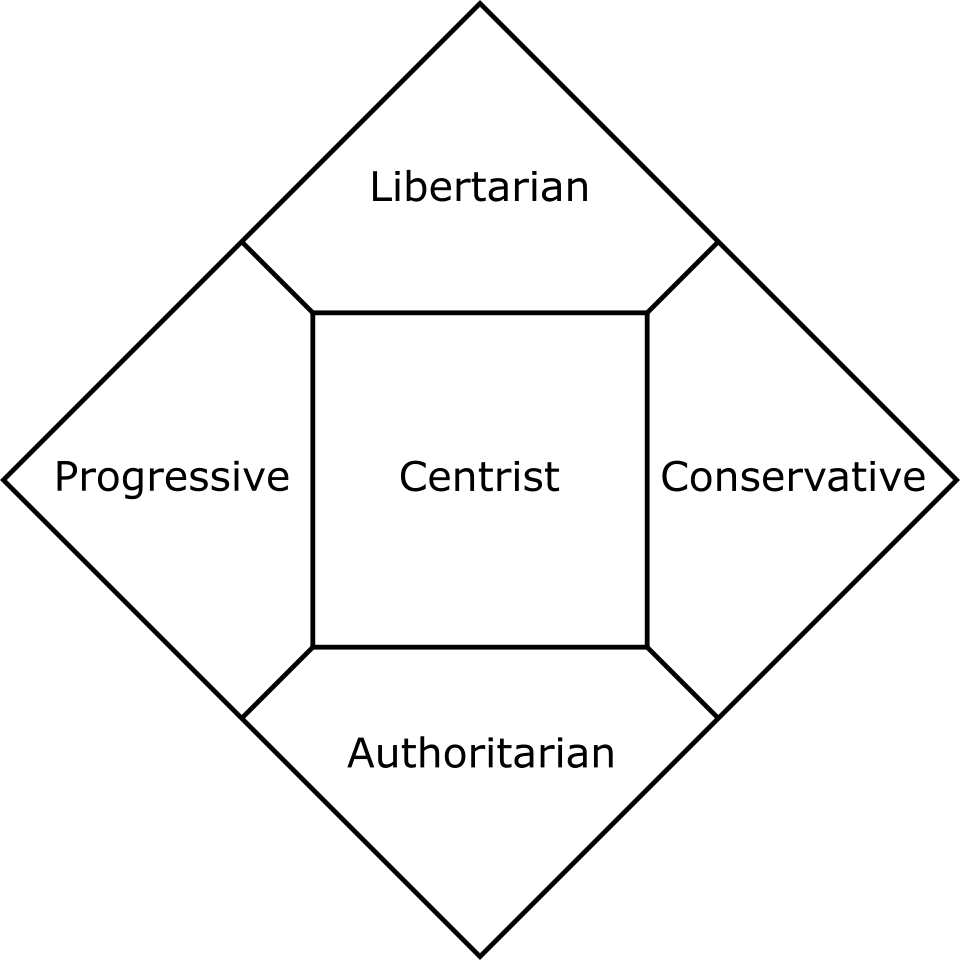
The modern Democratic Party traces its ideological roots to liberalism — the belief that government should actively intervene in the economy and society to protect individual rights, reduce inequality, and provide a social safety net. While Democrats have always contained centrists and moderates, the party’s core ideological thrust emphasizes collective responsibility and expansive government action.
Economic Policy: Regulation and Redistribution
Democratic economic ideology rests on several key commitments:
- Progressive taxation. Democrats support higher tax rates on wealthy individuals and corporations, with the revenue funding social programs. The logic: wealth concentration undermines equal opportunity, and those with greater ability to pay should contribute more to the common good. You’ll see this reflected in Democratic opposition to tax cuts for high earners and support for closing tax loopholes.
- Market regulation. Democrats believe unregulated markets create externalities (pollution, unsafe working conditions, predatory lending) that harm individuals and society. Democratic platforms advocate for stronger environmental regulations, labor protections, and financial oversight. After the 2008 financial crisis, Democrats championed the Dodd-Frank Act to prevent future banking collapse.
- Robust social safety net. Democrats support government programs that cushion economic hardship: unemployment insurance, food assistance, housing support, and healthcare. The underlying logic is that poverty isn’t simply a matter of individual failure; structural barriers and economic cycles create need, and government should mitigate that need.
- Raising the minimum wage. Rather than rely solely on market forces to set wages, Democrats argue the federal minimum wage should increase to keep pace with inflation and provide workers a living income. Republicans counter that higher minimum wages reduce job creation.
Why this matters for the exam: Economic policy questions often present a scenario (a recession, rising inequality, corporate pollution) and ask which party’s ideological approach would favor a particular response. You need to recognize that Democratic responses typically involve government intervention, increased public spending, or redistribution.
Social Policy: Inclusive Government
Democratic social policy emphasizes inclusion, equal access, and protecting vulnerable populations:
- Healthcare as a right. Democrats view healthcare access as a public responsibility. The Affordable Care Act (Obamacare), championed by President Obama, reflected this commitment: expanding government insurance options, requiring coverage of pre-existing conditions, and subsidizing coverage for low-income Americans. Some progressives push further, advocating single-payer systems like Medicare for All.
- Public education investment. Democrats prioritize funding for public schools, seeing education as a public good that reduces inequality and strengthens the economy. They oppose policies like vouchers that redirect public funds to private schools, viewing such shifts as abandoning the common public system.
- Immigration as economic and moral opportunity. Democratic platforms emphasize pathways to citizenship for undocumented immigrants, family reunification, and asylum protections. The ideological framing: immigrants contribute economically and culturally; barriers based on national origin contradict American values.
- Support for LGBTQ+ rights. The Democratic Party has moved decisively toward support for same-sex marriage, transgender inclusion in military service, and protection from discrimination. This reflects a liberal commitment to individual liberty and equal treatment regardless of identity.
Foreign Policy and Ideology
Democratic foreign policy traditionally emphasizes multilateralism, international institutions, and restraint on military intervention (though this varies across eras and individual leaders):
- Support for international agreements and institutions (NATO, United Nations, trade agreements).
- Skepticism of unilateral military action; preference for diplomacy and coalition-building.
- Concern for international humanitarian law and human rights in foreign policy decisions.
The Republican Party Ideology: Conservatism and Limited Government
Modern conservatism emphasizes limited government, individual responsibility, free markets, and traditional values. Republicans believe government overreach stifles innovation, personal freedom, and economic growth. This ideology encompasses distinct factions — fiscal conservatives (focused on spending and deficits), social conservatives (focused on traditional family and religious values), and libertarians (skeptical of government in both economic and social realms).
Economic Policy: Markets and Individual Responsibility
Republican economic ideology rests on several core principles:
- Tax cuts and lower government spending. Republicans argue that lower taxes stimulate investment, job creation, and economic growth — the logic of “supply-side” economics. Government spending is viewed as inefficient; private markets allocate resources better than bureaucrats. You’ll see Republicans consistently opposing tax increases on corporations and high earners, and pushing for spending cuts.
- Deregulation. Republicans believe excessive regulation stifles business innovation and raises costs for consumers. Republican administrations have repeatedly rolled back environmental regulations, labor protections, and financial oversight, arguing these rules impose unnecessary burdens. The ideological assumption: competition and consumer choice discipline markets better than government rules.
- Limited social safety net. While Republicans don’t oppose all government assistance, they emphasize that programs should be limited in scope, means-tested (available only to those below certain income thresholds), and emphasize work requirements. The underlying belief: overly generous welfare programs create dependency and undermine the work ethic.
- Personal responsibility and family support. Rather than government programs, Republicans emphasize personal savings, family networks, charitable organizations, and faith communities as primary sources of support. Government should create conditions for economic growth (low taxes, light regulation) and then step back.
Why this matters for the exam: When you see a question about how a party would respond to a recession, poverty, or corporate misconduct, recognize that Republican ideology points toward market-based solutions, tax incentives, and limiting government — whereas Democratic ideology points toward direct government intervention.
Social Policy: Traditional Values and Individual Choice
Republican social policy is internally diverse but traditionally emphasizes traditional institutions and limited government involvement in personal life:
- Education and parental rights. While supporting public education funding, many Republicans emphasize parental choice (school vouchers, charter schools, homeschooling) and are skeptical of federal education mandates. Social conservatives push for curricula reflecting traditional values; libertarian Republicans simply want less government involvement.
- Healthcare as private responsibility. Rather than government healthcare, Republicans prefer market-based solutions: consumer choice, competition among insurers, and individual responsibility for purchasing coverage. The ideological view: healthcare markets work better when patients shop for care rather than rely on government middlemen.
- Immigration restriction. Mainstream Republican platforms emphasize border security, legal immigration limits, and enforcement of immigration law. The framing: sovereignty requires controlled borders; unchecked immigration depresses wages for American workers and strains public services. This position unites fiscal conservatives (concerned about cost) and social conservatives (concerned about cultural change).
- Social conservative issues. A significant Republican faction prioritizes restrictions on abortion, opposition to same-sex marriage, and protection of religious liberty. These voters see government as having a role in protecting traditional family structures and religious practice against secular cultural trends.
Foreign Policy and Conservative Ideology
Republican foreign policy traditionally emphasizes American military strength, unilateral action when necessary, and skepticism of international constraints:
- Strong military spending and willingness to use military force to advance American interests.
- Skepticism of international agreements that constrain American sovereignty (e.g., withdrawal from climate accords, nuclear treaties).
- Support for allies who advance American interests, sometimes with less emphasis on democratic governance or human rights records.
Party Factions: Diversity Within Each Major Party
Both major parties contain ideological diversity. Understanding these factions helps explain intra-party conflict and why parties sometimes struggle to present unified positions:
| Democratic Factions | Core Beliefs | Policy Priorities | Example Politicians/Era |
|---|---|---|---|
| Progressives | Aggressive government intervention to address inequality; skeptical of corporate power; activism on climate, racial justice, wealth redistribution | Medicare for All, Green New Deal, tax wealth, aggressive antitrust enforcement | Bernie Sanders, Alexandria Ocasio-Cortez, Elizabeth Warren |
| Moderates/Centrists | Government intervention but with fiscal restraint; incremental reform; strong relationships with business; value institutional stability | Affordable Care Act (vs. single-payer), carbon pricing (vs. aggressive regulation), targeted tax increases | Joe Biden, Hillary Clinton, traditional establishment Democrats |
| Blue Dog Democrats | Conservative on spending and traditional values; often represent rural/moderate districts; emphasize balancing budgets | Fiscal restraint, gun rights protection, opposition to some social progressive policies | Historically more common; now rare as Southern conservatives have switched to GOP |
| Republican Factions | Core Beliefs | Policy Priorities | Example Politicians/Era |
|---|---|---|---|
| Social Conservatives | Traditional family values, religious liberty, opposition to abortion and same-sex marriage; see culture war as central political struggle | Abortion restrictions, religious exemptions, traditional education curriculum | Evangelical movement, Rick Santorum, many state-level GOP officials |
| Fiscal/Economic Conservatives | Tax cuts, spending reduction, deregulation, free markets; may be socially liberal or moderate | Lower taxes, smaller government, balanced budgets, business-friendly regulation | Traditional GOP establishment, Chamber of Commerce Republicans, some Wall Street Republicans |
| Libertarian Republicans | Minimal government in both economic AND social realms; strong civil liberties; skepticism of military interventionism | Drug legalization, police reform, non-interventionist foreign policy, fewer regulations | Ron Paul, Rand Paul, some younger GOP candidates |
| National Conservatives | Economic nationalism, trade protectionism, immigration restriction, strong executive power, skeptical of global institutions | Tariffs, border wall, “America First” foreign policy, reshaping federal courts | Donald Trump, Josh Hawley, Tom Cotton |
These factional divisions matter because they create opportunities for cross-party coalitions on specific issues. For example, libertarian Republicans and progressive Democrats both support criminal justice reform; fiscal conservatives and some Democrats share concerns about government spending. When analyzing a political scenario on the exam, consider not just “what would Democrats do” but which Democratic faction — a progressive or a centrist — might approach it differently.
Third Parties and Ideological Alternatives
Third parties in the United States articulate ideologies that fall outside the Democratic-Republican spectrum, yet they rarely achieve electoral success. Understanding why third parties fail — and what ideologies they represent — clarifies how America’s two-party system functions:
- Libertarian Party. Advocates minimal government in all realms: free markets with no regulation, social libertarianism (drug legalization, marriage equality, abortion access), and non-interventionist foreign policy. Libertarians critique both major parties as statist; they’d appeal to disaffected Republicans wanting less moral policing and disaffected Democrats wanting less economic regulation. The Libertarian Party has run presidential candidates since 1972 but rarely exceeds 1-2% of the vote.
- Green Party. Centers on environmentalism, social justice, and opposition to corporate influence. Greens are ideologically left of mainstream Democrats, pushing for radical climate action, worker rights, and campaign finance reform. Green candidates siphon votes from Democrats in close elections (most famously in 2000 when Ralph Nader’s roughly 1.6% in Florida (about 97,000 votes) exceeded George W. Bush’s margin of victory).
- Reform/Populist parties. H. Ross Perot’s 1992 independent presidential campaign (about 19% of the national vote) tapped anti-establishment, fiscally conservative, nationalist sentiment. More recently, some voters have sought populist alternatives opposing both establishment parties on trade, immigration, and economic nationalism.
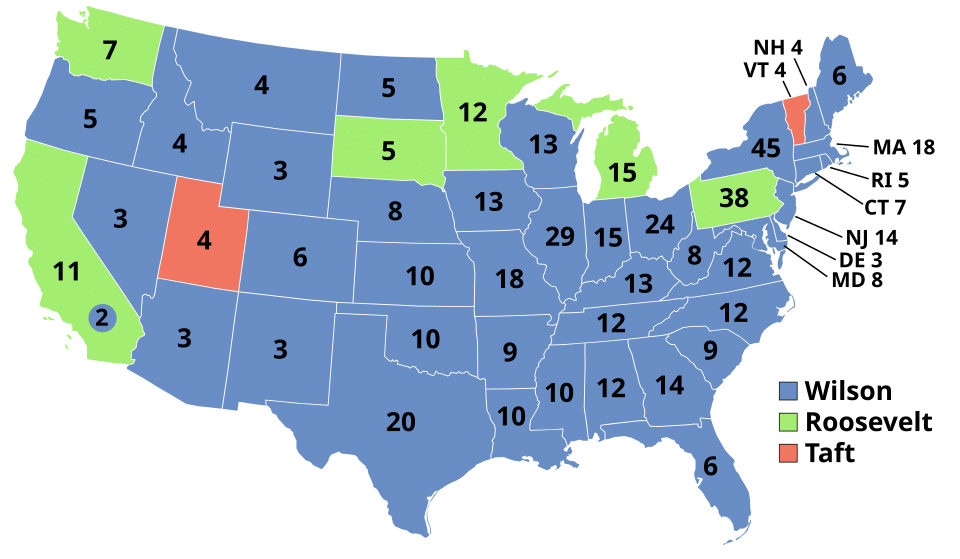
Third parties persist despite structural disadvantages (winner-take-all elections, ballot access barriers, debate thresholds) because they articulate ideologies underrepresented by the two major parties. Yet the two-party system’s stability means third-party candidates rarely win office — instead, they shift the agenda within major parties (as the Green Party did with environmentalism in the 1990s, or as Libertarian messaging influenced Republican thought on civil liberties).
How Party Ideology Connects to the AP Exam Framework
The AP® US Government exam treats party ideology as a lens for understanding political behavior, policy preferences, and electoral coalition-building. You’ll encounter ideology in multiple exam contexts:
- Stimulus-based questions presenting a policy scenario (e.g., “A state legislature proposes a $500 million increase in education spending funded by raising corporate tax rates”) and asking which party would support it. Your knowledge of each party’s ideological commitments lets you predict positions.
- Supreme Court decisions often split along ideological lines. Understanding the conservative and liberal ideologies lets you predict which justices align with which decisions or dissents.
- Campaign messaging and voter coalition analysis. Exam questions ask why certain demographic groups vote for certain parties, rooted in how party ideology appeals to different interests and values.
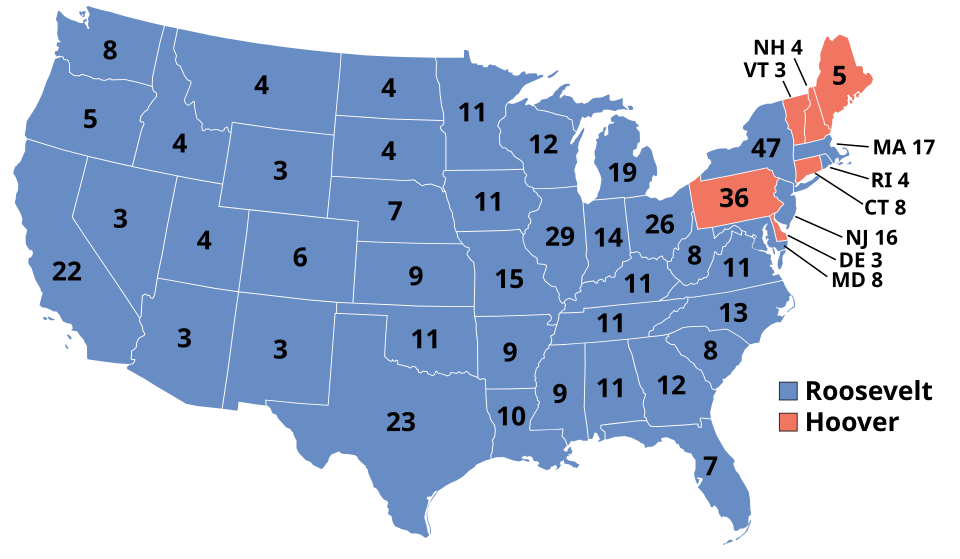
- Comparisons across eras. The exam sometimes asks how party platforms have shifted — comparing 1960s Republicans to 2020s Republicans, for example. Understanding ideological change (e.g., Southern Democrats becoming Republicans) requires tracking how ideology realigned.
Test-Taking Strategies
Mnemonic Devices and Memory Shortcuts
Use ERIC to remember Democratic ideological priorities: Expansion of government, Redistribution (progressive taxation), Inclusion (civil rights, immigration, social diversity), Collective responsibility (safety net, public goods).
Use FILM for Republican ideology: Free markets, Individual responsibility, Limited government, Military strength.
Remember the four policy domains tested on the exam: Economic, Social, Foreign, and Issue-specific. When a question presents a policy scenario, immediately categorize which domain it falls into — this helps you apply the correct ideological framework.
Cross-Topic Connections
This topic directly connects to:
- Topic 4.1 (American Attitudes About Government and Politics) — Understanding ideology comes before understanding which government role citizens prefer.
- Topic 5.3 (Political Parties) — Party ideology explains why parties adopt their platforms and appeal to specific voter coalitions.
- Topic 4.3 (Changes in Ideology) — You’ll analyze how ideology has shifted over time; this topic gives you the framework.
- Unit 1 (Foundations of American Democracy, including Federalism) — When analyzing Constitutional disputes or federalism questions, recognize that ideology shapes positions on federal vs. state power, individual liberty vs. collective welfare.
Common Question Formats
The AP exam tests party ideology through recurring question types:
- Predict-the-position questions. “A state proposes a law requiring employees to fund union membership through payroll deductions. Which party would more likely support this legislation?” You identify that unions = labor protections = Democratic support; right-to-work opposition = Republican support.
- Data interpretation with ideology. A chart shows support for a policy (e.g., government healthcare) by party affiliation. You explain the gap using ideological differences: Democrats see healthcare as a public responsibility; Republicans see it as individual responsibility.
- Comparison across eras or issues. “Compare Democratic and Republican positions on immigration in 1965 and 2020. Explain these changes using party ideology.” You’d note that ideology didn’t change dramatically, but which coalition each party represents shifted — Southern Democrats became Republicans, reorienting Southern conservatism into the GOP.
- Internal party division questions. “Why do some Republicans support climate regulations while most do not?” You’d explain libertarian vs. social conservative factions, or how fiscal conservatives may see environmental regulation as job-killing.
Frequent Student Mistakes
Mistake 1: Assuming each party is ideologically monolithic. Students sometimes treat “Republicans” or “Democrats” as a single block, ignoring factional differences. Reality: progressive Democrats and moderate Democrats disagree on healthcare (single-payer vs. ACA); libertarian and social conservative Republicans disagree on regulation and cultural issues. When the exam asks why a party hasn’t taken action on an issue, internal division is often the answer.
Mistake 2: Confusing party platforms with all supporters’ beliefs. The Democratic platform supports healthcare expansion, but many Democrats disagree; the Republican platform opposes gun control, but many Republicans support background checks. Don’t assume all party members adopt all platform positions. The exam sometimes tests whether you recognize that individual politicians and voters within a party may hold minority positions.
Mistake 3: Treating ideology as static. Party ideology has evolved. The Democratic Party today emphasizes identity politics and climate activism more than the 1970s Democratic Party; the Republican Party today emphasizes nationalism and trade protectionism more than the 1990s GOP. When comparing across decades, track how ideological priorities shifted.
Mistake 4: Missing the “why” behind policy positions. A question might ask why Democrats support gun control and Republicans oppose it. A weak answer lists the positions; a strong answer explains ideology: Democrats see gun regulation as collective safety (part of government responsibility for welfare); Republicans see it as individual liberty and self-defense (limiting government intrusion). Always connect policy to underlying ideology.
Test-Day Shortcuts
The ideology-checks framework. When a question presents a policy and asks which party supports it, run a quick checklist: Does it increase government involvement (Democratic)? Does it prioritize individual responsibility or limit government (Republican)? Does it redistribute wealth or resources (Democratic)? Does it cut taxes or deregulate (Republican)? Does it emphasize collective welfare or personal liberty, equality or freedom? These binaries won’t always be perfect, but they’ll steer you right 85% of the time.
The faction filter. If a question asks something like “Why do some Republicans oppose a tariff the party leadership supports?” immediately think factions. Libertarian Republicans oppose tariffs; national conservative Republicans support them. Free-market Republicans opposed Trump’s trade war; nationalist Republicans embraced it. Identifying the factional split often answers the question in a sentence.
The coalition logic. Remember that party ideology reflects the coalition each party has built. Why do Democrats emphasize diversity and immigration? Because urban, educated, minority voters are part of the Democratic coalition, and those voters favor inclusive policies. Why do Republicans emphasize business-friendly deregulation? Because wealthy donors and business interests are part of the Republican coalition. When analyzing a policy position, ask: Which voter coalition does this serve, and which party’s coalition is that?
Time Management Tips
Ideology questions can appear in both multiple-choice and free-response sections. For MCQs, if you understand the underlying ideology, you can eliminate wrong answers quickly. If a question asks which party would support expanded unemployment benefits, and the choices include “Republicans would prioritize deregulation,” you can rule that out immediately — it’s the wrong domain and ideology.
For FRQs involving party ideology, structure your response around the four domains: economic, social, foreign policy, and specific issues. This prevents rambling and ensures you address ideology comprehensively. Allocate 30-40 seconds to reading and outlining; 2-3 minutes to writing; 30 seconds to reviewing.
Check for Understanding
Think you’ve got it? Complete the quiz below to make sure. Download your results at the end.