
Maximize your score with these resources:
- Albert.io AP® Human Geography question banks
- Free AP® Human Geography cheat sheets
- Free AP® Human Geography score calculator
The food on your plate has probably traveled farther than you have this year. Coffee from Colombia, bananas from Ecuador, soy from Brazil, wheat from Ukraine, beef from Argentina — all flowing through a global agricultural system that links roughly two billion farmers to eight billion consumers through complex trade routes, multinational corporations, and global commodity markets. The AP® Human Geography exam expects you to understand how that system is organized, why it concentrates production geographically, and what political and economic forces hold it together.
This article covers Topic 5.9: The Global System of Agriculture in Unit 5 (Agriculture and Rural Land-Use Patterns and Processes). The CED learning objective is:
Explain the interdependence among regions in the global agricultural system, including trade patterns, the role of multinational corporations, and the political-economic forces that shape food production and distribution.
By the end you should be able to:
- Explain how comparative advantage and specialization shape global agricultural trade.
- Identify the major global trade flows of staple and luxury crops.
- Describe the role of multinational agribusiness in the global food system.
- Explain how trade policies and subsidies shape outcomes for farmers and consumers.
- Connect the global system to issues of food security, dependency, and sovereignty.
Why Agriculture Globalized
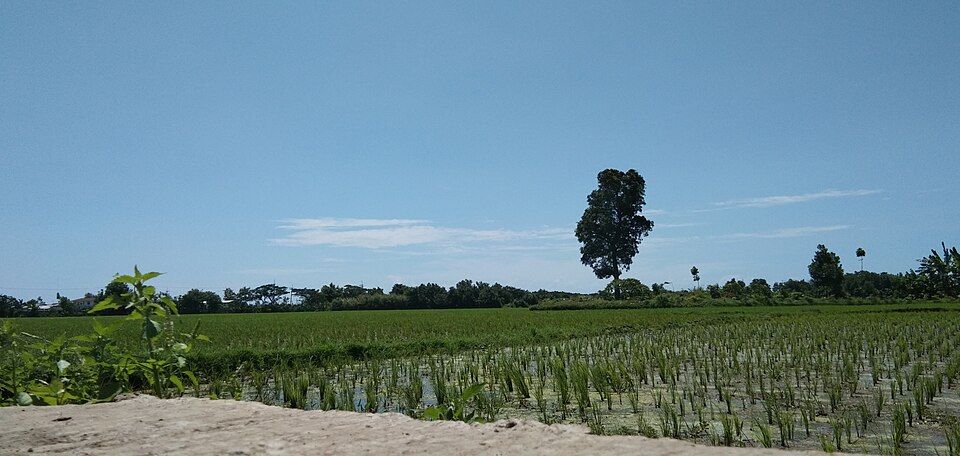
Three drivers built the global agricultural system: colonial-era cash crops, transport revolutions (refrigerated shipping, containerization, air freight), and trade liberalization (GATT, WTO, NAFTA).
Major Global Trade Flows
| Commodity | Top Exporters | Top Importers |
|---|---|---|
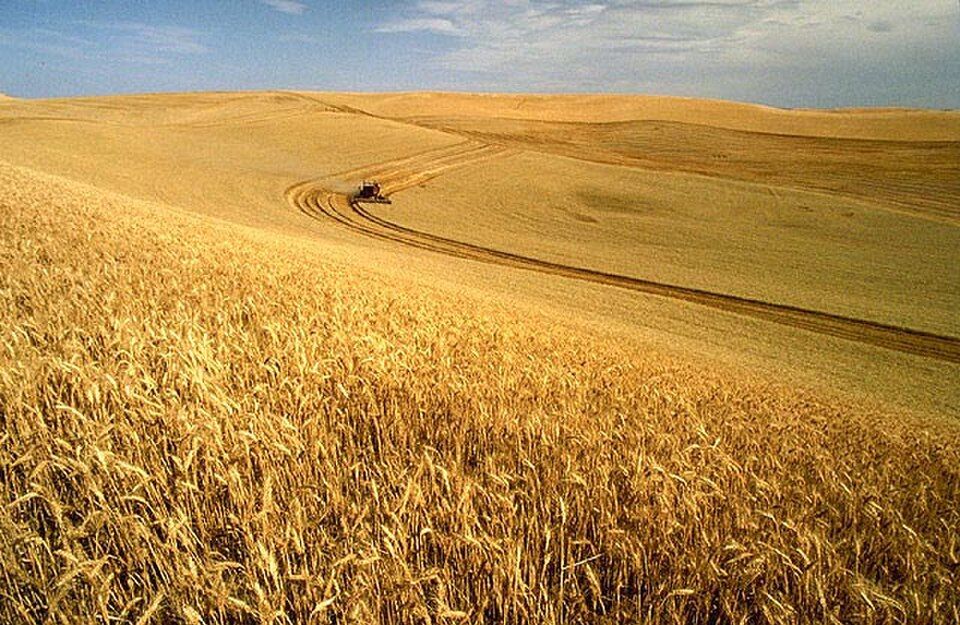
| Wheat | Russia, US, Canada, Australia, France, Ukraine | Egypt, Indonesia, Algeria, Turkey, Nigeria |
| Corn (maize) | US, Brazil, Argentina, Ukraine | China, Mexico, Japan, EU |
| Soybeans | Brazil, US, Argentina | China (roughly 60% of imports) |
| Rice | India, Thailand, Vietnam, Pakistan | Philippines, China, Saudi Arabia, EU |
| Coffee | Brazil, Vietnam, Colombia, Indonesia, Ethiopia | US, EU, Japan |
| Cocoa | Côte d’Ivoire, Ghana, Indonesia, Ecuador, Nigeria | EU (esp. Netherlands and Germany), US |
| Beef | Brazil, Australia, US, Argentina, India (buffalo) | China, US, Japan, South Korea |
| Palm oil | Indonesia, Malaysia (together over 80%) | India, China, EU |
The Role of Multinational Corporations
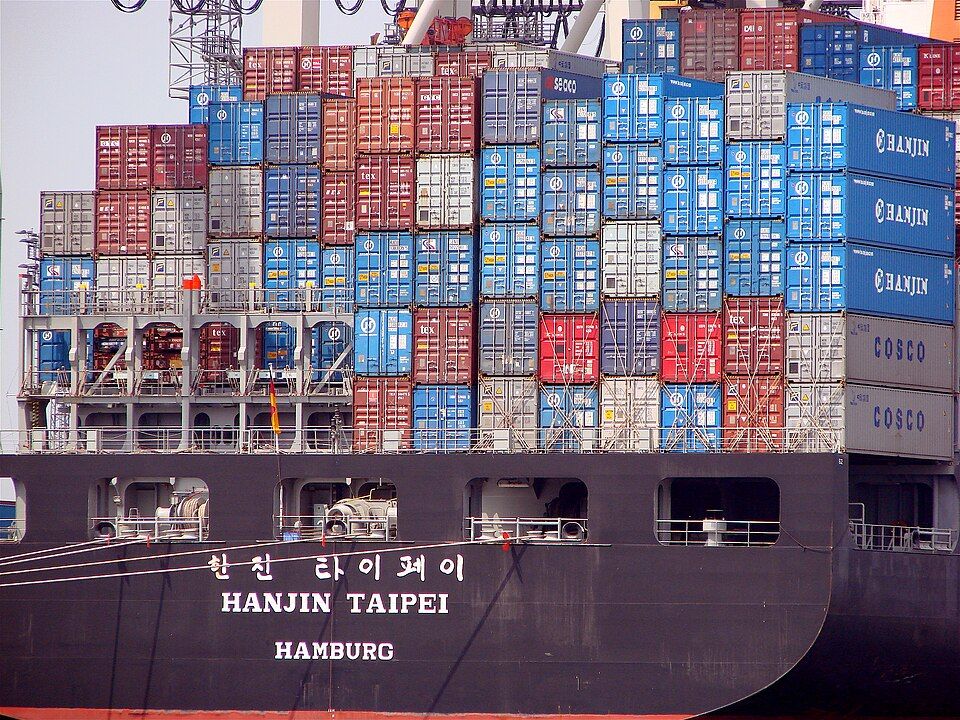
- ABCD grain traders — Archer Daniels Midland, Bunge, Cargill, Dreyfus. These four firms control most global trade in staple crops.
- Seed and chemical companies. Bayer, Corteva, and ChemChina/Syngenta dominate.
- Meat processors. Tyson, JBS, Cargill Meat Solutions, and Smithfield.
- Retailers. Walmart, Kroger, Carrefour, Tesco, and Aldi shape what farmers produce.
Trade Policy and Subsidies
The US Farm Bill, the EU’s Common Agricultural Policy (CAP), and Japanese rice support shape global markets. Subsidized exports of US cotton, EU sugar, and US corn harm unsubsidized farmers in lower-income countries. The WTO Doha Round stalled largely over agricultural subsidies.
Food Sovereignty and the Critique of the Global System
- Food sovereignty — coined by La Via Campesina in 1996 — the right of peoples to define their own food and agricultural policy, prioritizing local needs over export markets.
- Food miles — the distance food travels from farm to consumer.
- Dependency theory in agriculture — postcolonial economies remain locked into producing primary commodities for wealthier consumer countries.
- Fair trade and ethical sourcing — certification systems that pay producers a price floor and social premium.
Vulnerability and Disruption
Major shocks include the 2007–2008 food-price crisis, COVID-19 supply-chain disruptions (2020–2022), Russia’s invasion of Ukraine (2022) disrupting global wheat exports, and recurring climate shocks.
Test-Taking Strategies
Mnemonic devices and memory shortcuts
- “ABCD” — the four giant grain traders (ADM, Bunge, Cargill, Dreyfus).
- “Three giants” — Bayer, Corteva, ChemChina/Syngenta dominate seeds and agrochemicals.
- “BUA = Big Three of soy” — Brazil, US, Argentina.
- “China imports everything” — default importer in any ambiguous question about global flows.
- “Indonesia + Malaysia = palm oil” — over 80% of global production.
Cross-topic connections
- Topic 5.9 ↔ Topic 5.11. The global system produces the challenges you study in 5.11 — environmental damage, farm consolidation, food deserts.
- Topic 5.9 ↔ Unit 7 (development). Trade dependence and primary-commodity exports tie this topic to development-theory debates.
- Topic 5.9 ↔ Unit 4 (political geography). Trade policy, tariffs, and sanctions show how political boundaries reshape “free” markets.
- Topic 5.9 → contemporary events. The 2022 Ukrainian wheat disruption is the canonical contemporary case.
Common question formats
- FRQ with a map. A flow map of global wheat or soy exports. Identify the top exporters and importers and explain one consequence.
- MCQ with a chart. Concentration data on the ABCD traders or seed companies. Identify the implication for farmer bargaining power.
- FRQ with a scenario. “A West African country specializes in cocoa exports. Explain two vulnerabilities of this economic structure.”
Frequent student mistakes
- Treating “global” as “free.” The global system is heavily shaped by national subsidies, tariffs, and SPS standards.
- Forgetting subsidies. US Farm Bill and EU CAP shape global markets; mention them whenever the prompt is about international competition.
- Confusing food security with food sovereignty. Security = enough food, any source. Sovereignty = control over production policy.
- Ignoring climate disruption. The 2022 shock and recurring climate-related yield losses are now standard exam material.
Test-day shortcuts
- If a stimulus references soybean exports to China, default to Brazil + US + Argentina.
- If it references palm oil deforestation, default to Indonesia + Malaysia.
- If it references coffee exports, default to Brazil + Vietnam + Colombia.
- If it references US or EU farm subsidies, default to distorted global markets.
- If it references Black Sea wheat disruption, default to Ukraine 2022.
Time management tips
- For FRQs on trade flows, sketch a quick three-arrow map before writing. The visual anchors your prose.
- If you blank on a specific commodity, fall back to the structural claim: “Global agricultural trade concentrates production in regions of comparative advantage while exposing farmers and consumers to commodity-price volatility and shocks transmitted through long supply chains.”
- For FRQs on multinational corporations, anchor on the ABCD framework.
Check for Understanding
Think you’ve got it? Complete the quiz below to make sure. Download your results at the end.