
Maximize your score with these resources:
- Albert.io AP® Human Geography question banks
- Free AP® Human Geography cheat sheets
- Free AP® Human Geography score calculator
Picture a typical farmer in much of sub-Saharan Africa or South Asia. There’s a good chance you pictured a man. In reality, women do a large share of the planting, weeding, harvesting, and processing that feeds these regions, often without owning the land they work or being counted in official statistics. The AP® Human Geography exam asks you to explain how women’s roles in agriculture vary around the world and why those differences matter for food production and development.
This article covers Topic 5.12: Women in Agriculture in Unit 5, Agriculture and Rural Land-Use Patterns and Processes. The topic asks you to explain how the role of women in agricultural production varies across regions and how barriers such as limited land rights affect farming and development.
By the end, you should be able to:
- Describe how much agricultural work women do and how it varies by region.
- Explain the barriers women farmers face, from land ownership to access to credit.
- Explain why closing the gender gap in agriculture could raise food production.
- Connect this topic to development and demographic change.
How Much Farm Work Women Do
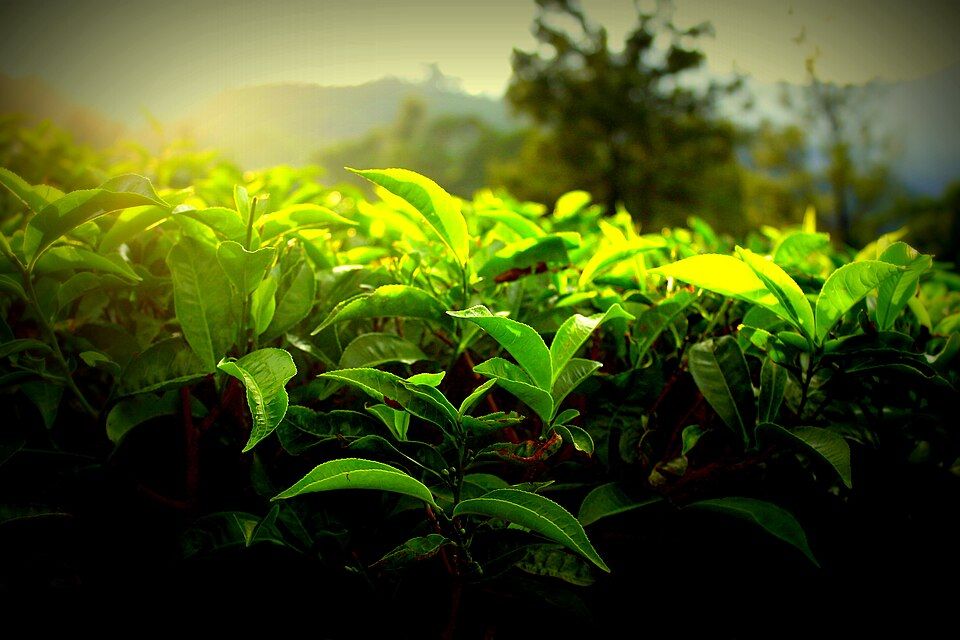


Women make up a large part of the agricultural workforce, especially in developing countries. The UN Food and Agriculture Organization (FAO) has estimated that women account for roughly 43 percent of the agricultural labor force in developing countries. In sub-Saharan Africa, farming and food production employ a majority of working women.
Those numbers probably undercount women’s work. Much of what women do on farms is unpaid family labor, such as tending household gardens, raising small livestock, processing crops, and carrying water, and it often goes unrecorded. Official statistics tend to count the person who owns the land or sells the crop, who is more often a man.
Women’s roles differ from men’s in many farming systems. In some regions, men grow cash crops for sale while women grow food crops for the family. Women often do labor-intensive tasks like weeding, transplanting rice seedlings, harvesting, and processing grain.
How Women’s Roles Vary Around the World
The role of women in agriculture looks very different from one region to another.
| Region | Women’s Role | Key Factor |
|---|---|---|
| Sub-Saharan Africa | Women produce much of the region’s food, mostly on small subsistence plots. | Men often migrate to cities or mines for wage work, leaving women to farm. |
| South Asia | Women do much of the field labor, often unpaid, on family farms. | Male out-migration has increased women’s share of farm work, sometimes called the feminization of agriculture. |
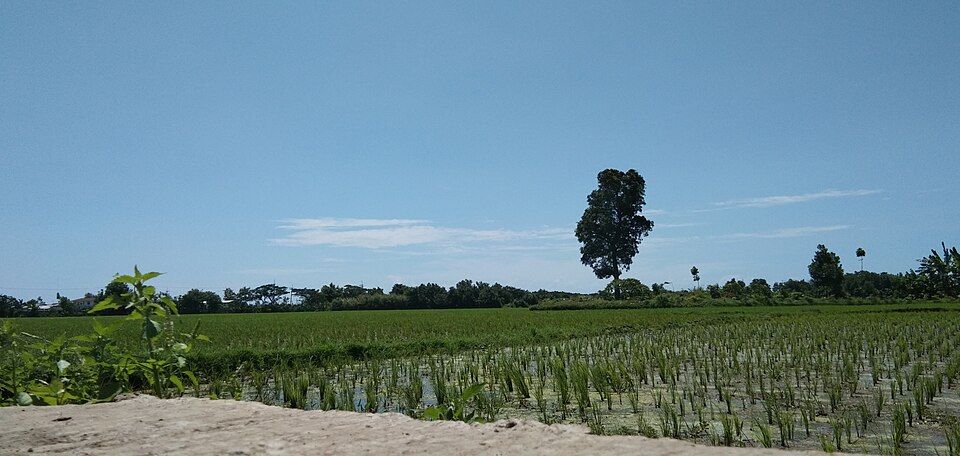
| East and Southeast Asia | Women are heavily involved in rice farming, especially transplanting and harvesting. | Rice cultivation is labor-intensive, and family labor is essential. |
| Latin America | Women’s recorded participation is lower, though they often work in processing and family plots. | Cultural norms and land ownership patterns shape who is counted as a farmer. |
| United States and Europe | A growing share of farm operators are women. | More women own and manage farms. The 2022 U.S. Census of Agriculture counted women as 36 percent of producers. |
Why does this matter? The biggest regional driver is often migration. When men leave rural areas for jobs in cities or abroad, women take on more of the farming. That shift connects agriculture to Unit 2’s migration topics and to the remittances that support many rural families.
Barriers Women Farmers Face
Women often farm with fewer resources than men, and that gap limits how much they can produce.
- Land rights. Women make up only a small share of agricultural landowners worldwide. In many places, laws or customs pass land to sons, or a widow loses access to land when her husband dies. Without ownership, a farmer has less reason to invest in the land and can’t use it as collateral.
- Credit. Banks usually require collateral, often land, before making a loan. Without credit, women can’t buy seeds, fertilizer, tools, or irrigation equipment.
- Technology and training. Agricultural extension services, which teach farmers new techniques, have historically been directed at men. Women are less likely to get improved seeds, machinery, and advice.
- Time. Women often carry the double burden of farm work plus household work, like collecting water and firewood, cooking, and caring for children. That leaves less time for farming or earning income.
- Markets. Women may have less access to transportation and to markets where they could sell their crops at a good price.
Closing the Gender Gap
The FAO has estimated that if women farmers had the same access to resources as men, they could raise yields on their farms by 20 to 30 percent. That could increase total agricultural output in developing countries by roughly 2.5 to 4 percent and reduce the number of hungry people in the world by 12 to 17 percent.
Several approaches aim to close the gap:
- Land reform. Some countries have changed laws to give women equal inheritance rights or to list both spouses on land titles. Ethiopia’s land certification program, for example, recorded wives’ names alongside their husbands’.
- Microfinance. Small loans without traditional collateral help women buy seeds, animals, or equipment. The Grameen Bank in Bangladesh, whose founder Muhammad Yunus won the Nobel Peace Prize in 2006, lends mostly to women.
- Cooperatives. Women’s farming cooperatives let members pool resources, share equipment, and sell crops together for better prices.
- Targeted extension services. Training programs designed for women farmers, sometimes run by women extension workers, improve access to new techniques.
Why does this matter? Women’s role in agriculture links food security to gender equality. On the exam, if a question asks how to increase food production or reduce rural poverty in a developing region, improving women’s access to land, credit, and training is a strong answer. This connects directly to women and economic development in Unit 7.
Test-Taking Strategies
Mnemonic Devices and Memory Shortcuts
- “LCT” for the barriers. Land, Credit, and Training are the three biggest gaps between women and men farmers.
- “When men migrate, women farm.” Male out-migration is a major reason women’s share of farm work is growing in parts of Africa and Asia.
- “Unpaid means uncounted.” Much of women’s farm work is unpaid family labor that official statistics miss.
Cross-Topic Connections
- Topic 2.8: Women’s education and status affect fertility and population growth. See our review of women and demographic change.
- Topic 2.11 and 2.12: Male migration to cities and abroad increases women’s farm work and brings remittances to rural households.
- Topic 5.11: Food insecurity and the challenges of contemporary agriculture are tied to women’s access to resources. See our review of challenges of contemporary agriculture.
- Topic 7.4: Gender equality measures and microfinance connect agriculture to development.
Common Question Formats
- Data-based MCQ. A chart shows women’s share of agricultural labor by region, and you identify the region with the highest share or explain why it’s high.
- Explanation MCQ. A question asks why women farmers have lower yields, with limited access to land, credit, and inputs as the correct answer.
- FRQ with a stimulus. A table compares land ownership by gender. You describe the pattern and explain an effect on agricultural productivity.
- No-stimulus FRQ. You explain one barrier women farmers face and one policy that could address it.
Frequent Student Mistakes
- Assuming women farm less because they work less. Women often work more total hours than men when household labor is counted. The gap is in resources and recognition, not effort.
- Treating the pattern as the same everywhere. Women’s roles vary widely by region. Always name a region or country.
- Blaming lower yields on women themselves. The FAO finds the yield gap comes from unequal access to land, credit, and inputs, not from ability.
- Forgetting developed countries. Women’s role as farm operators is growing in the United States and Europe too.
Test-Day Shortcuts
- Look for resource words. Land titles, loans, fertilizer, and training in a question point to the gender gap in resources.
- Look for migration clues. If a stimulus mentions men leaving rural areas, expect a question about women’s growing role in farming.
- Connect to development. Improving conditions for women farmers is linked to lower hunger, higher incomes, and lower fertility rates.
Time Management Tips
- Multiple choice: Data questions on this topic are usually straightforward. Read the axis labels and units first, then answer in under a minute.
- Free response: Budget about 25 minutes per FRQ. When explaining a barrier, connect it to a result: “Without land titles, women can’t get loans, so they can’t buy fertilizer, which keeps yields low.”
- Keep one policy example ready. Microfinance through the Grameen Bank or land certification in Ethiopia works for most “how could this be addressed” prompts.
Check for Understanding
Think you’ve got it? Complete the quiz below to make sure. Download your results at the end.