

Maximize your score with these resources:
- Albert.io AP® Art History question banks
- Free AP® Art History cheat sheets
- Free AP® Art History score calculator
Contemporary art from 1980 to the present has fundamentally transformed how artists think about materials, processes, and the very definition of “art” itself. If you’re studying Unit 10 for the AP® Art History exam, you need to understand not just what artists create, but how they create it and why their choice of materials and methods matters. This topic tests your knowledge of installation art, video and digital media, performance art, found objects, site-specific work, mixed media, photography, and emerging technologies — and it appears regularly on both the MCQ and FRQ sections of the exam.
This article covers Topic 10.1: Materials, Processes, and Techniques in Global Contemporary (Learning Objectives MPT-1.A and INT-1.A). By the end, you’ll understand how globalization, technological innovation, and conceptual thinking have reshaped artistic practice, and you’ll be able to discuss these developments with the specificity the exam demands.
Installation Art and Environmental Practice
Installation art emerged as a major force in contemporary practice because it treats the entire space — not just the object — as the artwork. Unlike a painting hung on a wall, an installation transforms how viewers move through, experience, and interact with a space. This shift from object to environment fundamentally changed what artists could express.
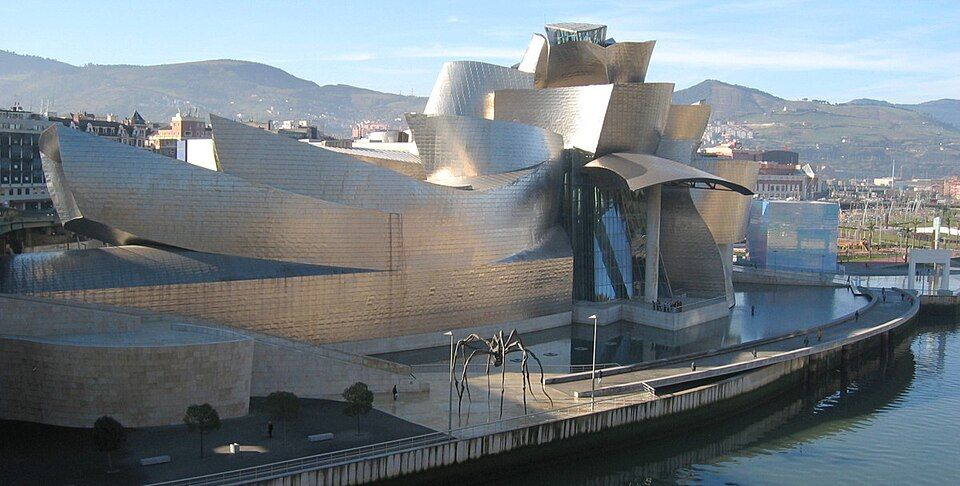
- Defining installation art: Artwork created to transform or occupy a specific architectural or environmental space. The viewer’s physical presence and movement through the work are essential to the experience. Examples include James Turrell’s light installations that manipulate perception of space itself, and Yayoi Kusama’s Infinity Mirror Rooms that use repetition and reflection to create disorienting, immersive environments. The work cannot be separated from its site without losing its meaning.
- Site-specificity and place: Many contemporary installations are site-specific, meaning they’re designed for and respond to the particular location where they exist. Richard Serra’s steel sculptures are calibrated to the exact dimensions and architectural context of their display spaces. Serra held that moving a site-specific work destroys it. This matters for the exam because site-specificity demonstrates how contemporary artists reject the museum as a neutral white box and instead assert that context and location generate meaning.
- Environmental and land art legacies: Land art of the 1960s-70s (Robert Smithson’s Spiral Jetty) pioneered the idea of the environment as artistic medium. Contemporary artists inherited this legacy. Today, environmental installation art often carries ecological and activist dimensions — addressing climate change, indigenous land rights, or corporate extraction. For example, Olafur Eliasson’s large-scale environmental projects use art to raise awareness about melting glaciers and atmospheric change.
- Why this matters for the exam: Installation art tests your understanding that contemporary art is not always portable, purchasable, or even permanent. You must be able to discuss how the materials, the space, and the viewer’s bodily experience are inseparable from the artwork’s meaning.
Site-specific and installation practices reveal a fundamental shift in contemporary aesthetics: the dematerialization of art as a collectible object and its reframing as an experience, a process, or an intervention in space and time.
Video, Digital Media, and Time-Based Art
When video technology became accessible in the 1960s, artists immediately recognized its radical potential: for the first time, they could work directly with time, temporal sequence, and moving image outside the commercial film industry. By 1980, video and digital media had become central to global contemporary practice.
- Video art as medium: Artists like Nam June Paik (who pioneered video art in the 1960s-70s) and later practitioners such as Bill Viola used video not to tell conventional stories but to explore perception, temporality, and human experience at an intimate scale. Viola’s slow-motion video installations of human gestures — birth, grief, aging — use the medium’s capacity to manipulate time and transform ordinary moments into meditative, profound experiences. The key difference from cinema: video art is not narrative-driven; it’s formally and conceptually driven.
- Digital media and interactivity: As computers became ubiquitous from the 1990s onward, artists incorporated digital tools into their practice. This includes digital image-making, algorithmic art, net art, and interactive installations. Refik Anadol creates large-scale installations using machine learning and neural networks to generate immersive visual environments. These works ask: What is creativity when algorithms participate in the creative process? Can AI-generated imagery have aesthetic and conceptual depth?
- Performance documentation: Many contemporary performance artists use video, photography, and digital recording as a primary means of preservation and dissemination. A live performance by Marina Abramović lasts only hours; the documentation (via video, photography, and artist testimony) becomes the permanent record. This raises a critical question: Is the documentation the artwork, or is the ephemeral live event the “real” work? Contemporary practice has blurred this line deliberately.
- Globalization of digital tools: Digital technology is not localized — artists worldwide use similar software, apps, and platforms. This has created new forms of global artistic dialogue while also raising questions about cultural homogenization. An artist in Lagos and an artist in Berlin can both use AI image generators, but their artistic intent, cultural context, and conceptual frameworks remain distinct. The exam may ask you to consider how global tools intersect with local and regional artistic traditions.
Time-based and digital media represent a profound expansion of what materials artists can use. Where traditional sculpture uses marble or bronze, a video artist uses light, temporal sequence, and viewer attention. This requires a completely different way of thinking about form, composition, and meaning.
Performance Art and the Dematerialization of the Object
Performance art takes the dematerialization of art even further: the artist’s body and actions become the medium. No object remains after the performance ends — only documentation, memory, and the changed consciousness of those who witnessed it.
- The artist’s body as material: In works like Abramović’s The Artist Is Present (2010), the artist sits motionless at a table for hours daily while visitors sit across and make eye contact. The “artwork” is the exchange of human presence and attention. There is no sculptural form, no video, no installation — only two people and the intensity of their mutual regard. This work challenges what the exam might ask: If there’s no material object, is it art? (The answer, for contemporary practice, is absolutely yes.)
- Endurance and vulnerability: Many performance artists use their own physical and psychological vulnerability as conceptual material. Chris Burden’s Shoot (1971) involved a friend shooting him in the arm; Tehching Hsieh’s durational performances confined him to a room for a year, or had him punch a time clock every hour for a year. These works are extreme, but they demonstrate how performance can articulate concepts about suffering, control, labor, and the limits of human endurance in ways that no other medium could.
- Ritual and cultural practice: Global performance art draws on ritual, ceremony, and cultural traditions specific to artists’ regional contexts. Coco Fusco and Guillermo Gómez-Peña’s Two Undiscovered Amerindians Visit… parodied anthropological display by putting themselves on exhibition as “discovered” Indigenous people — a performance that critiqued racism, colonialism, and the history of human zoos. Their work demonstrates how performance art can be a politically urgent medium for interrogating historical trauma and contemporary representation.
- Documentation and preservation: Because performance is ephemeral, artists create documentation through photographs, video, written description, and artifact. This documentation itself becomes an artwork — sometimes more valuable and more widely seen than the original live event. Understanding this distinction is crucial for the exam: the live performance and its documentation are not identical; documentation is a representation and interpretation of the event.
Performance art exemplifies contemporary art’s move away from the creation of durable objects toward the creation of experiences, moments, and ideas. For an artist working in performance, the material is time, the artist’s body, and the viewer’s attention.
Found Objects, Readymades, and Mixed Media in Contemporary Practice
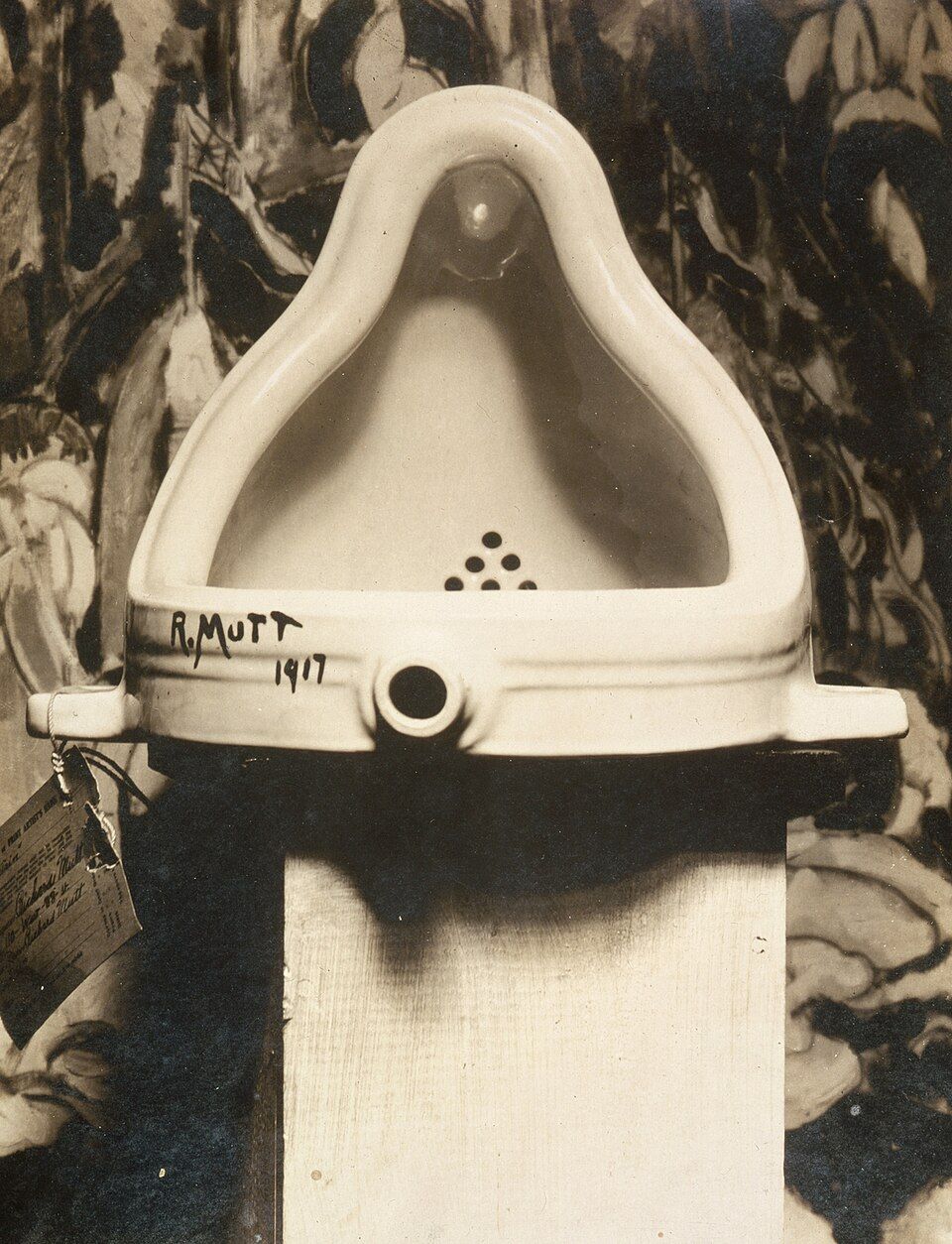
Marcel Duchamp’s readymades — his declaration that a urinal signed with a pseudonym could be sculpture — fundamentally transformed how artists think about existing objects. Contemporary artists have expanded this practice into sophisticated critiques of consumption, representation, and cultural value.
- Found objects and assemblage: Artists gather existing objects — trash, cast-off consumer goods, natural materials — and recombine them into new artworks. This practice is economical, sustainable, and conceptually rich: it asks viewers to see value and meaning in discarded things. Rashid Johnson’s large-scale installations combine books, plants, mirrors, and found materials to create environments that explore Black identity, memory, and archival practice. The work’s meaning derives not from the objects themselves but from the artist’s curatorial choices and the conceptual framework that binds them together.
- Readymades and institutional critique: Contemporary artists use found and readymade objects to critique art institutions, museums, and the market. Barbara Kruger appropriates advertising language and imagery to expose how visual culture and capitalism shape identity and desire. Appropriation — the deliberate reuse of existing cultural materials — challenges the romantic notion of the artist as solitary creator. Instead, it asserts that meaning is constructed through recombination, citation, and dialogue with existing culture.
- Mixed media and material experimentation: Many contemporary artists combine traditional materials (paint, clay) with unconventional ones (plastic, digital prints, industrial materials, food, light). Anselm Kiefer uses lead, straw, ash, and photographs in heavily textured paintings that evoke historical trauma and geological time. El Anatsui transforms discarded bottle caps into shimmering, fluid wall-sized sculptures that reference African textiles and global consumption. These artists treat the entire material world as potentially artistic — there are no inherently “artistic” or “non-artistic” materials, only artistic choices.
- Sustainability and activism: In response to environmental crisis and resource depletion, many contemporary artists privilege recycled and found materials. This is not just practical; it’s ideological. Using waste asserts an ethical stance: that art should not demand the creation of new materials but should instead find beauty and meaning in what already exists. This connects to indigenous and non-Western artistic traditions that have always worked within material constraints and ecological limits.
Found objects and mixed media reveal that material choice is never neutral. When an artist selects plastic waste over marble, that choice carries meaning. Contemporary practice insists that you think critically about why an artist chose their specific materials and what conceptual and ethical positions those choices embody.
Photography, Printing, and the Expanded Image
Photography’s status shifted dramatically in contemporary practice. No longer primarily a documentary medium, photography became a tool for artistic expression as sophisticated and deliberate as painting or sculpture. Simultaneously, new printing and reproduction technologies allowed artists to manipulate, enlarge, and transform the photographic image in radical ways.
- Staged and constructed photography: Artists like Cindy Sherman created large-format photographs in which the artist herself posed in elaborately staged scenarios — film stills, historical paintings, medical contexts — to explore identity, representation, and the constructed nature of visual culture. Sherman’s photographs are not documentary; they’re conceptual artworks that interrogate how visual culture shapes our understanding of gender, sexuality, and selfhood. Each photograph is meticulously composed, lit, and edited.
- Large-scale printing and monumental scale: Digital printing technology allowed photographers and artists to create prints of unprecedented size. Thomas Struth and others enlarged photographs to monumental scale — entire walls covered with a single image — transforming how viewers experience the photographic moment. Scale becomes conceptual: an intimate family snapshot enlarged to museum size becomes almost overwhelming, asking viewers to confront the emotional and social significance of what seemed like an ordinary moment.
- Appropriation and found imagery: Artists like Richard Prince and Sherrie Levine appropriated existing photographs — advertising images, celebrity photographs, Western landscape photographs — and re-presented them with minimal alteration. This raises a central contemporary question: When does copying become creation? What is the relationship between original and reproduction in a world saturated with images? These works deliberately court controversy and legal challenge, asserting that artistic meaning can reside in selection, reframing, and conceptual recontextualization rather than in technical skill.
- Photography as fine art in global context: Artists outside Europe and North America brought their own photographic traditions and concerns. South African photographer Zanele Muholi documents Black queer identity and the legacies of apartheid through powerful portraits. Chinese artist Ai Weiwei, known mainly for sculpture, installation, and conceptual art, also uses photography for activism and documentation. These global practitioners assert that photography is not a Western medium but a global language with distinct regional inflections and political stakes.
Contemporary photography is not mimetic documentation — it’s a complex, manipulated, conceptually driven medium as intentional as any painting. Understanding this distinction is essential for discussing contemporary visual culture on the AP exam.
Emerging Technologies: 3D Printing, AI, VR, and New Media Frontiers
As technology accelerates, artists immediately adopt and adapt new tools. The past two decades have seen rapid integration of 3D printing, artificial intelligence, virtual reality, blockchain, and other cutting-edge technologies into artistic practice. This raises new questions about authorship, authenticity, and what it means to create in an age of algorithmic and digital reproduction.
- 3D printing and digital fabrication: Artists use 3D printing to manufacture sculptures from digital models, to create multiple iterations of a form, or to produce impossible geometries that would be difficult to achieve through traditional carving or casting. This blurs the line between design and art, between digital and physical, between the one-of-a-kind and the reproducible. Works designed digitally and fabricated by machine raise questions about the role of human intention, taste, and skill in the creative process.
- Artificial intelligence and generative art: Artists use machine learning models trained on vast image databases to generate novel images, sometimes with minimal human intervention beyond setting parameters. This raises profound questions: Can AI participate in artistic creativity? Is the algorithm the artist, or is the person who trained and directed it? If an AI generates an image, who owns it? Does it have aesthetic or conceptual value, or is it merely a technical demonstration? These are not settled questions — contemporary art is actively exploring them.
- Virtual reality and immersive digital environments: Artists create immersive VR experiences that allow viewers to inhabit entirely digital worlds. These range from documentary VR (allowing viewers to witness historical or distant events in immersive first-person perspective) to purely imaginative and abstract digital environments. VR collapses the distance between viewer and artwork, creating a form of artistic experience radically different from standing before a painting or sculpture.
- Blockchain, NFTs, and questions of authenticity: The emergence of blockchain technology and non-fungible tokens (NFTs) as a means of authenticating and trading digital artworks has generated intense debate within contemporary art. NFTs promise to solve the problem of authenticity and ownership for digital artworks (which can be infinitely copied). But they’ve also created environmental concerns, market speculation, and questions about whether attaching a blockchain to a digital image fundamentally changes its status as art. This is an area where contemporary practice is still being defined.
Emerging technologies are not peripheral to contemporary art — they’re central. The exam may ask you to discuss how artists use technology not simply as a tool but as a medium that shapes aesthetic and conceptual possibilities. A work made with AI is not identical to a work made with paint; the difference in process generates different meanings and raises different questions.
Globalization, Hybridization, and the Dematerialization of Art
Perhaps the defining feature of contemporary global art from 1980 to the present is the collapse of geographic and cultural boundaries. Artists move, migrate, and work across multiple cultural contexts. Technology enables instant global communication and the rapid dissemination of images. This globalization creates unprecedented opportunities for artistic dialogue while simultaneously raising questions about cultural appropriation, power, and representation.
- Hybrid and syncretic practices: Contemporary artists draw from multiple cultural traditions within a single work. A Nigerian artist might combine traditional Yoruba materials and motifs with Western conceptual art frameworks. An Asian-American artist might fuse East Asian aesthetic principles with African-American artistic traditions. This hybridization is not superficial — it reflects the lived experience of artists who navigate multiple cultures simultaneously. El Anatsui (Ghanaian/Nigerian) creates sculptures that reference both African and Western art histories. Kara Walker (African-American) uses the silhouette (a European Enlightenment form) to address African-American history and trauma. These hybrid works demonstrate that there is no “pure” artistic tradition — all art exists in dialogue with others.
- Diaspora and displacement: Many significant contemporary artists are diaspora artists — individuals who create from contexts of migration, exile, or displacement. Their work often grapples with questions of home, belonging, identity, and the experience of living between cultures. Palestinian artist Mona Hatoum creates installations addressing displacement, borders, and the body as a site of political struggle. Her use of familiar materials — soap, barbed wire, maps — transforms domestic or historical objects into statements about violence, control, and human vulnerability.
- Dematerialization as global phenomenon: The shift from object-based to conceptual, performance-based, and ephemeral art is not Western-specific. Artists globally have moved toward dematerialized practices — not because they’re following Western trends, but because these approaches align with their own conceptual and cultural concerns. An Indian artist working with performance and video is not imitating Western contemporary art; they’re engaging with a global artistic conversation while asserting their own regional, cultural, and political specificity.
- Power, representation, and institutional critique: Global contemporary art is deeply concerned with how Western institutions (museums, galleries, biennales) shape which artists are visible, valued, and canonized. Artists from the Global South, indigenous artists, and artists from marginalized communities often direct their work toward interrogating these power structures. This is not separate from the question of materials and techniques — it’s central to it. Choosing to work with local and indigenous materials, for example, can be a political assertion of cultural autonomy and a critique of Western art market dominance.
Globalization has not created a homogeneous global art world. Instead, it has created a complex field in which local traditions, regional concerns, and individual artistic visions coexist and interact. For the exam, you need to be able to discuss contemporary art as simultaneously global and deeply rooted in specific places, communities, and histories.
Test-Taking Strategies
Mnemonic devices and memory shortcuts: Create a simple acronym to remember the major material and process categories covered in Topic 10.1. Try VIPFM: Video and digital media, Installation art, Performance art, Found objects and readymades, Mixed media. When you see a question about contemporary techniques, run through these five categories mentally to ensure you’re not overlooking a major approach. Additionally, remember that dematerialization is the overarching concept unifying these diverse practices — the shift from object to experience, idea, or process.
Cross-topic connections: Topic 10.1 on materials and techniques connects directly to Global Contemporary Art’s themes and ideas and its artists and movements. When discussing a specific artwork’s materials and process, you should simultaneously address its conceptual content and its place in broader artistic movements. For example, if asked about an installation by Olafur Eliasson, you’d discuss his use of light and environmental scale (materials/techniques), his engagement with climate change (themes), and his position within contemporary environmental art movements. The exam rewards integrated thinking across topics.
Common question formats: Expect MCQs that ask you to identify a technique or material based on a description. A question might describe a large-format photograph of staged scenes and ask which artist pioneered this approach (answer: Cindy Sherman). FRQs frequently present an unfamiliar contemporary artwork and ask you to analyze its materials, processes, and conceptual significance. You might see a work combining found plastic waste, video projection, and interactive elements, and be asked to discuss how the artist’s material choices contribute to the work’s meaning. Be prepared to see artworks from non-Western artists and to discuss how their regional context shapes their choice of materials and techniques.
Frequent student mistakes: First, many students assume contemporary art is chaotic or “anything goes.” Mistake. Contemporary artists make deliberate, theorized choices about materials and process. Every choice carries meaning. If an artist uses trash instead of marble, that’s intentional. Second, students sometimes treat performance art and ephemeral work as “not real art” because they don’t produce collectible objects. Mistake. Dematerialization is a sophisticated artistic strategy, not a failure of skill. The exam respects performance and ephemeral work as legitimate artistic media. Third, students often overlook the conceptual framework underlying material choices. They’ll describe an artwork’s materials but fail to explain why those materials matter to the work’s meaning. Practice always asking: Why did the artist choose these specific materials? What do those materials communicate?
Test-day shortcuts: When confronted with an unfamiliar contemporary artwork, use a quick diagnostic approach. First, identify the primary medium or material (video, installation, performance, found object, etc.). Second, ask whether the work is site-specific or portable. Third, consider whether it’s conceptually driven or formally driven. Fourth, think about scale and viewer experience — does the work ask the viewer to walk through it, interact with it, or simply observe it? These four quick questions will help you generate intelligent observations about almost any contemporary artwork you encounter.
Time management tips: Contemporary art questions sometimes feel open-ended because contemporary artworks often lack a single “correct” interpretation. Don’t get stuck trying to find the one right answer. Instead, develop a clear analytical framework and apply it confidently. On MCQs, if you’re uncertain between two options, choose the one that references materials or techniques explicitly. On FRQs, spend the first minute identifying the artwork’s primary technique or material, then build your analysis from there. You don’t need to discuss every conceivable aspect of a work — focus on the specific question asked and use materials and techniques as your analytical anchor.
Check for Understanding
Think you’ve got it? Complete the quiz below to make sure. Download your results at the end.