
Maximize your score with these resources:
In Chapter 2 of Don Quijote Parte I, Cervantes pulls off one of literature’s great tricks: he lets you watch a man lose his mind in real time, and makes it both funny and heartbreaking. Alonso Quijano has read so many chivalric romances that he has decided to become a knight-errant himself. In this chapter he names his horse, renames himself, invents a beloved from a farm girl he barely knows, and rides out into La Mancha convinced he is the hero of an epic quest. Every choice he makes follows perfect internal logic — the logic of a genre that has completely replaced his grasp of reality. Chapter 2 is where Cervantes establishes the novel’s whole architecture: imagination doesn’t just color reality, it can replace it entirely.
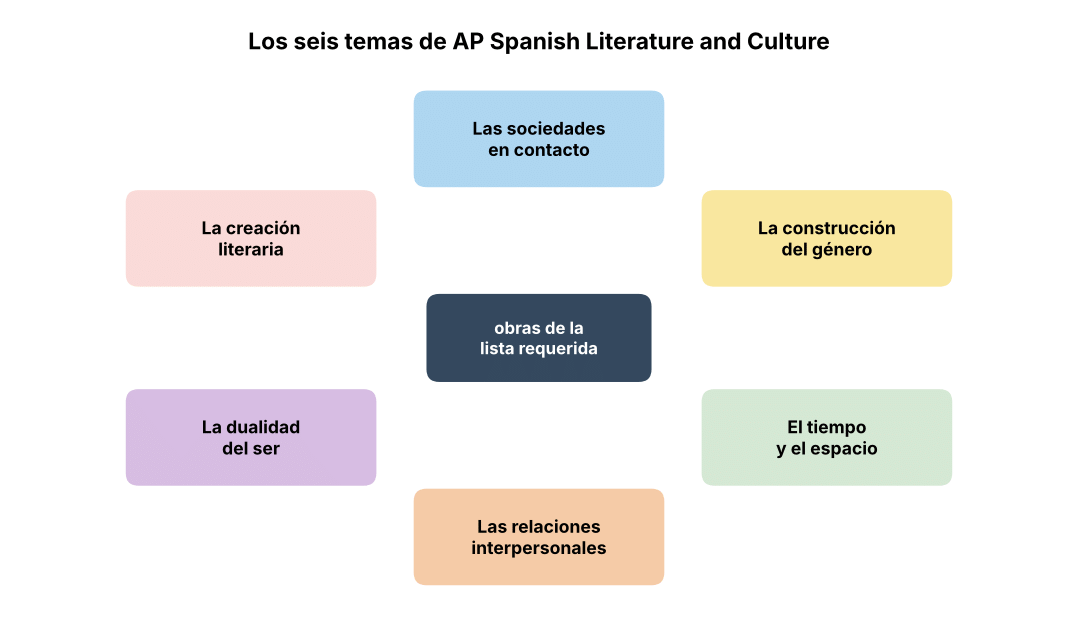
This chapter connects to the AP theme La dualidad del ser: Quijano constructs a new identity through self-invention, challenging the fixed social categories of Golden Age Spain. It also touches Las relaciones interpersonales through the Dulcinea problem: Quijano imposes his imagination on another person without her knowledge or consent.
Chapter Summary: The First Sally
Don Quixote leaves his village on horseback to seek adventure and fame as a knight-errant. Obsessive reading of chivalric romances has cost him his sanity and his estate. He now sets out to live the stories he has read.
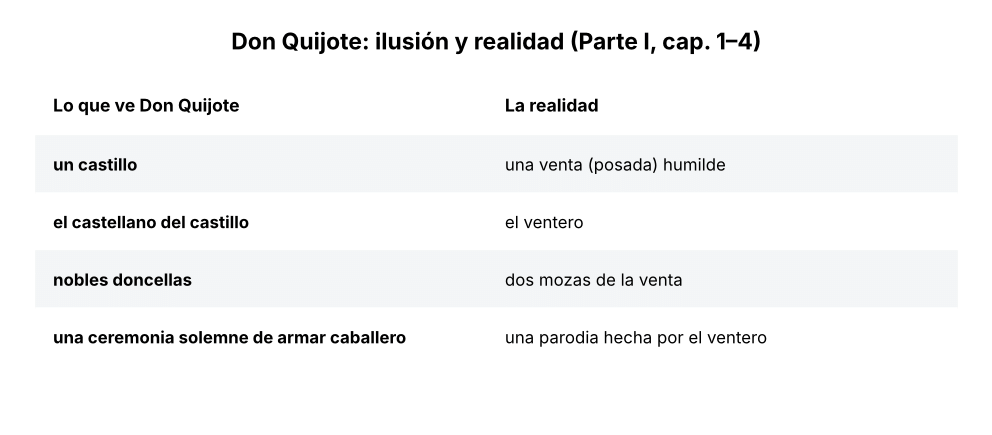
| Action | What Quixote Believes He Is Doing | What Is Actually Happening |
|---|---|---|
| Naming his horse “Rocinante” | Choosing a noble name worthy of a great knight’s steed | Renaming an old, worn-out nag with an impressive-sounding word |
| Naming himself “Don Quixote de la Mancha” | Adopting the grand title his destiny requires | Spending eight days fabricating an identity to match an imaginary role |
| Choosing Dulcinea del Toboso as his lady | Dedicating himself to a noble lady who will inspire his deeds | Renaming a farm girl he barely knows and constructing a romance she knows nothing about |
| Departing on the first adventure | Beginning an epic quest for glory and eternal fame | Riding into an ordinary countryside he will immediately misread as a chivalric landscape |
Literary and Historical Context: Chivalric Romance and Parody
To understand why Chapter 2 works as satire (sátira), you need to know what Cervantes is parodying (parodiando). Chivalric romance was wildly popular across Europe in the 15th and 16th centuries. Tales like Amadís de Gaula (1508) featured knights-errant who traveled seeking glory, serving noble ladies, battling giants and monsters, and proving their worth through impossible deeds. By Cervantes’ time (early 1600s), these tales were considered old-fashioned, but they still had devoted readers.
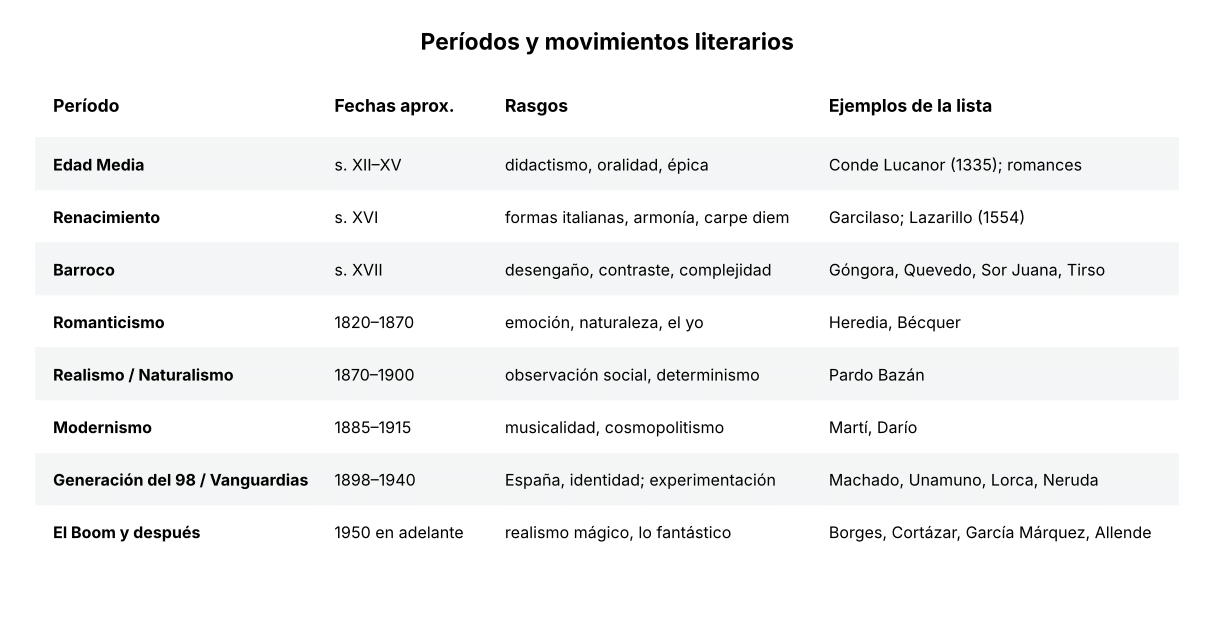
The chivalric romance formula: Protagonists were typically highborn, physically perfect, morally virtuous, and destined for greatness. They operated in a world of magic, impossible odds, and absolute romantic devotion. Quixote imitates every element of this formula — but he is a middle-aged, impoverished hidalgo with an old horse and an unknowing “beloved.” The humor comes entirely from the collision between the genre’s ideals and Quixote’s actual circumstances.
The tender quality of the parody: Cervantes does not simply ridicule Quixote. He shows us a man of genuine goodwill, infected by bad literature, who becomes incapable of seeing the world as it is. We laugh at him and sympathize with him simultaneously. This complexity is the novel’s enduring power.
Key Themes
| Theme | How It Appears in Chapter 2 | AP Significance |
|---|---|---|
| Imagination vs. reality (imaginación vs. realidad) | Quixote interprets everything through the chivalric framework he has internalized | The novel explores whether meaning is discovered in the world or constructed by the mind |
| Identity as construction (identidad como construcción) | Quixote remakes himself through three naming acts: horse, self, beloved | Identity is not fixed by birth but enacted through language and narrative |
| Literature as a reality-shaping force | Quixote’s transformation begins not with an event but with intensive reading | Narratives reshape how people perceive and act |
| The ethical dimensions of imagination | Quixote renames Aldonza Lorenzo without her knowledge or consent | Imaginative power can be a form of violation — the novel raises this as a moral problem |
Literary Devices
| Device | Example in Chapter 2 | Effect |
|---|---|---|
| Parody (parodia) | The naming sequences imitate chivalric conventions with mock-seriousness | Highlights the gap between romance ideals and Quixote’s actual circumstances |
| Satire (sátira) | The entire premise: a real person trying to live like a chivalric hero | Critiques over-consumption of a literary genre and loss of critical distance |
| Dramatic irony (ironía dramática) | Quixote departs in certainty; readers know his adventures will be misadventures | Creates simultaneous comedy and pathos |
| Juxtaposition (contraposición) | Aging hidalgo vs. knight-errant; worn horse vs. noble name; farm girl vs. Dulcinea | The gap between imagined and actual is the source of both humor and tragedy |
| Semantic irony in naming (ironía semántica) | “Quijote” (a piece of thigh armor), “Rocinante” (old nag/before), “Dulcinea” (sweetness) | Critique is embedded directly into language — the names themselves satirize their bearers |
| Narrative voice (voz narrativa) | The narrator stands outside events, commenting and foreshadowing | Creates the gap between what Quixote believes and what the reader understands |
Test-Taking Strategies
Use the mnemonic RAIN to organize your Chapter 2 analysis. R = Renaming (cambio de nombre): the three naming acts — horse (Rocinante), self (Don Quixote de la Mancha), beloved (Dulcinea del Toboso) — are the chapter’s structural core, and each one shows imagination overriding reality in a distinct way that repays individual analysis. A = Aspiration: Quixote’s desire to become a knight-errant and achieve eternal fame drives every action in the chapter and follows the chivalric genre formula precisely — analyzing aspiration means showing how closely he imitates a literary model. I = Imagination (imaginación): Quixote reshapes reality through narrative frameworks absorbed from books; the fundamental technique throughout Chapter 2 is juxtaposition (contraste) between what Quixote believes and what is actually there, and every analytical question in this chapter returns to that gap. N = Narration (narración): the narrator’s ironic stance makes the gap between belief and reality visible; the narrator is not neutral but constantly comments, judges, and foreshadows, and any question about narrative technique requires you to address this ironic stance directly.
AP theme connections appear on every exam question about Chapter 2. On the tension between self and community, Quijano creates himself in isolation — no community validates his new identity, and his quest to have others accept his self-construction drives the novel’s central conflict between self and world. Under Las relaciones interpersonales, Quixote imposes his imagination on Aldonza Lorenzo without her knowledge — this raises an ethical question about whose imagination counts and what gives him the right to rename someone else, and AP essays that identify this ethical dimension earn higher scores. Under La dualidad del ser, Quijano and Don Quixote coexist in the same body; the novel’s tension comes from moments when one bleeds into the other, and Chapter 2 establishes both identities at once. Connecting to Golden Age historical context: Chapter 2 is a historically grounded critique of how over-consuming a specific literary genre (chivalric romance) can detach a mind from material reality — connect this to Cervantes’s own literary moment in early 17th-century Spain.
Three question formats dominate. Identify a literary device and its effect: name the technique (parody, dramatic irony, juxtaposition, semantic irony in naming) and immediately connect it to what it reveals about Quixote’s psychology or Cervantes’s social critique — never stop at identification alone. Analyze the three naming sequences: each naming act shows imagination overriding reality in a different way (horse = Rocinante shows imposing fictional meaning on ordinary things; self = Don Quixote shows identity as constructed through language; beloved = Dulcinea shows the ethical problem of imagining another person without consent), and be specific about what is distinct in each. Discuss the function of the narrator: the narrator is not neutral in Chapter 2 — any question about narrative technique requires you to address the narrator’s ironic role in creating the gap between what Quixote believes and what the reader understands.
Avoid four common mistakes. Confusing satire with simple mockery produces shallow analysis — move beyond “Cervantes criticizes X” and explain how he does it through specific techniques (parody, juxtaposition, semantic irony) and what his critique reveals about the human condition. Missing the ethical dimension of Dulcinea’s renaming is the sophistication error that separates good from excellent essays — students focus on the humor and miss the problem: Quixote imposes his imagination on another person without her knowledge or consent, and essays that identify this dimension earn higher scores. Treating Quixote as simply delusional flattens the novel’s complexity — Chapter 2 invites a nuanced reading in which Quixote is sincere, well-intentioned, and in some ways admirable in his commitment to chivalric ideals even as the reader watches him lose touch with reality. Forgetting historical context makes the parody harder to analyze: Chapter 2 is a critique of how over-consuming a specific genre — chivalric romance — can unhinge a mind from material reality, and connecting to that historical moment is required for full AP credit. FRQ structure for every body paragraph: technique → effect → theme.
Check for Understanding
Think you’ve got it? Complete the quiz below to make sure. Download your results at the end.