

Maximize your score with these resources:
- Albert.io AP® US History question banks
- Free AP® US History cheat sheets
- Free AP® US History score calculator
In 1870, a clerk in a Chicago office earned a salary, wore a white collar, and came home to a house in a new streetcar suburb. A generation earlier, that job barely existed. Industrial capitalism didn’t only create millionaires and factory workers. It also created a large new middle class of managers, clerks, salespeople, and professionals, with new ideas about leisure, family, and women’s roles. Topic 6.10 covers who they were and how they changed American life.
This article covers Topic 6.10: Development of the Middle Class in Period 6, 1865 to 1898. The topic asks you to explain how the growth of large corporations created a new middle class and how this group’s work, leisure, and values shaped Gilded Age society.
By the end, you should be able to:
- Explain how corporate growth produced new white-collar jobs.
- Describe how middle-class life differed from working-class life.
- Explain new roles for women in the workforce and in reform.
- Describe how leisure and consumer culture expanded.

What We Review
Where the New Middle Class Came From
Huge corporations like railroads, Standard Oil, and Carnegie Steel needed people to manage them, track money, and sell products. That demand created whole new categories of work.
| Type of Work | Examples | Why It Grew |
|---|---|---|
| Management | Railroad supervisors, plant managers | Large companies needed layers of administration |
| Clerical work | Clerks, bookkeepers, typists, telephone operators | Paperwork, record-keeping, and new office machines like the typewriter |
| Sales and retail | Department store clerks, traveling salesmen | National markets and new stores like Macy’s and Marshall Field’s |
| Professions | Lawyers, engineers, doctors, teachers, accountants | Specialized expertise and new professional associations |
These jobs paid salaries rather than hourly wages, offered cleaner and safer conditions than factory work, and carried social prestige. The term “white-collar” distinguished them from “blue-collar” manual labor.
Middle-Class Life
- Suburbs: Streetcars and commuter railroads let middle-class families live outside crowded city centers. Neighborhoods began to separate by class.
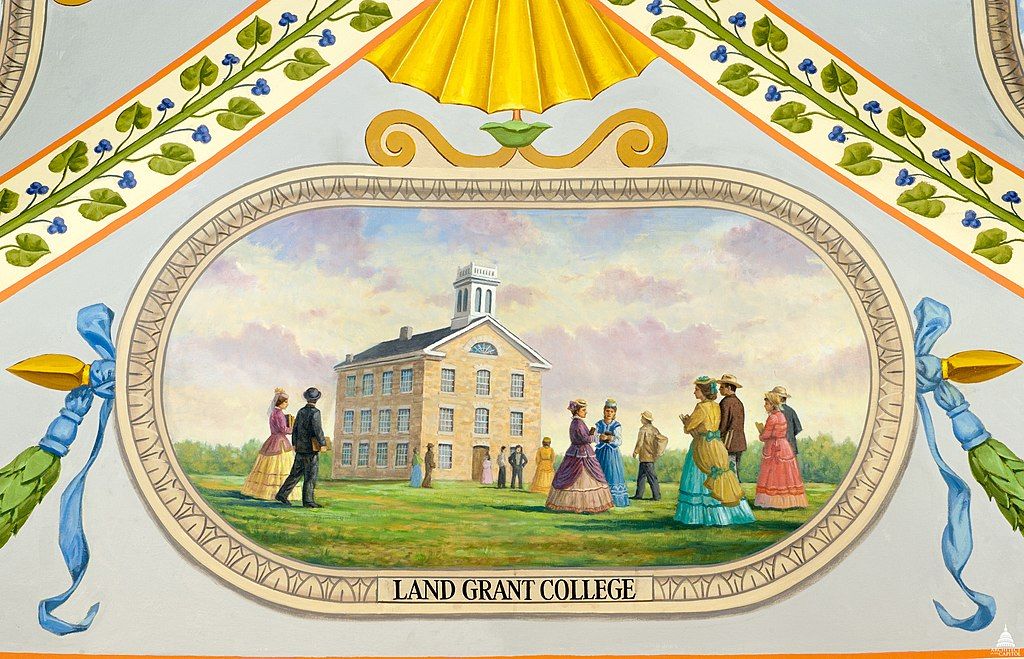
- Education: The number of public high schools grew rapidly, and colleges expanded. Education became a path into middle-class work.
- Consumer culture: Department stores, mail-order catalogs like Montgomery Ward and Sears, Roebuck, and national brands made goods widely available. Advertising encouraged buying.
- Leisure: Shorter workdays for salaried workers created free time for spectator sports like baseball, amusement parks like Coney Island, vaudeville shows, and bicycling.
Women and the Middle Class
Middle-class ideals often celebrated women’s role in the home, a continuation of the earlier “cult of domesticity.” But the period also opened new doors.
- New jobs: Young, often unmarried women filled clerical and sales jobs as typists, telephone operators, and store clerks. These jobs were seen as more respectable than factory work.
- Higher education: Women’s colleges like Vassar (1865), Smith, and Wellesley (both 1875) educated a generation of women.
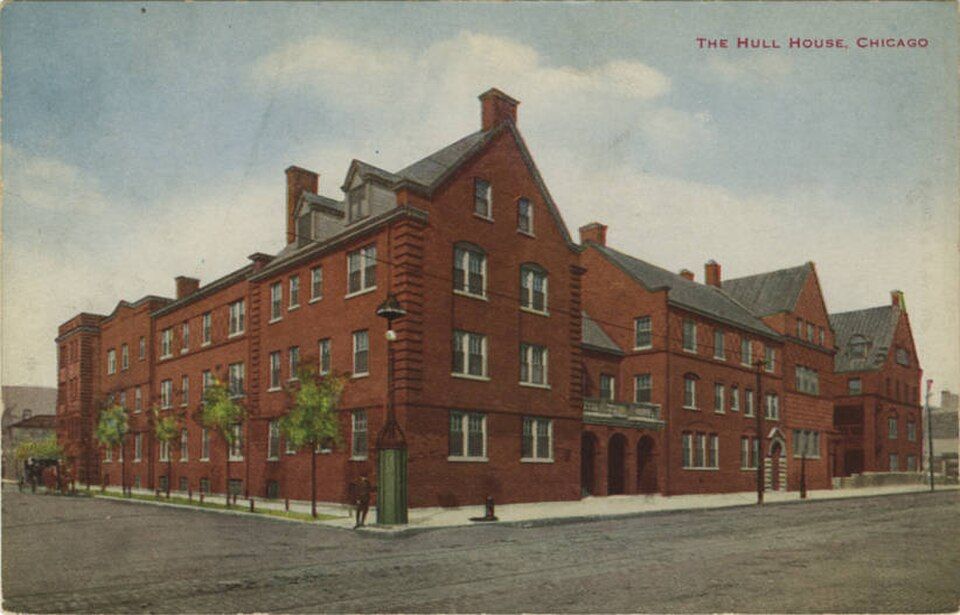
- Reform and clubs: Educated middle-class women led settlement houses, temperance campaigns through the Woman’s Christian Temperance Union, and women’s clubs. Their work laid the groundwork for Progressive reform and women’s suffrage.
The Middle Class and the Wider Society
The new middle class sat between the very rich and the industrial working class, and it influenced both.
| Group | Typical Life | Relationship to the Middle Class |
|---|---|---|
| Wealthy elite | Mansions, “conspicuous consumption,” philanthropy | Set fashions the middle class imitated |
| Middle class | Salaried jobs, suburbs, education, consumer goods | Grew rapidly, valued respectability and self-improvement |
| Working class | Wage labor, tenements, long hours | Middle-class reformers often tried to “uplift” or regulate working-class life |
Many middle-class Americans believed in self-made success, an idea popularized by Horatio Alger’s rags-to-riches stories. But as they saw corruption, monopoly, and urban poverty up close, many of them became the backbone of Progressive reform.
Why does this matter? The rise of the middle class helps explain why the Progressive movement had such broad support after 1900. On essays, connecting middle-class growth to new jobs, women’s reform activism, and consumer culture lets you show how industrialization changed society, not just the economy.
Test-Taking Strategies
Mnemonic Devices and Memory Shortcuts
- “Manage, file, sell, advise.” The four kinds of new middle-class work: managers, clerks, salespeople, and professionals.
- “Streetcar suburbs.” Transit let the middle class move out of the city center.
- “Clubs to causes.” Women’s clubs and settlement houses became engines of reform.
Cross-Topic Connections
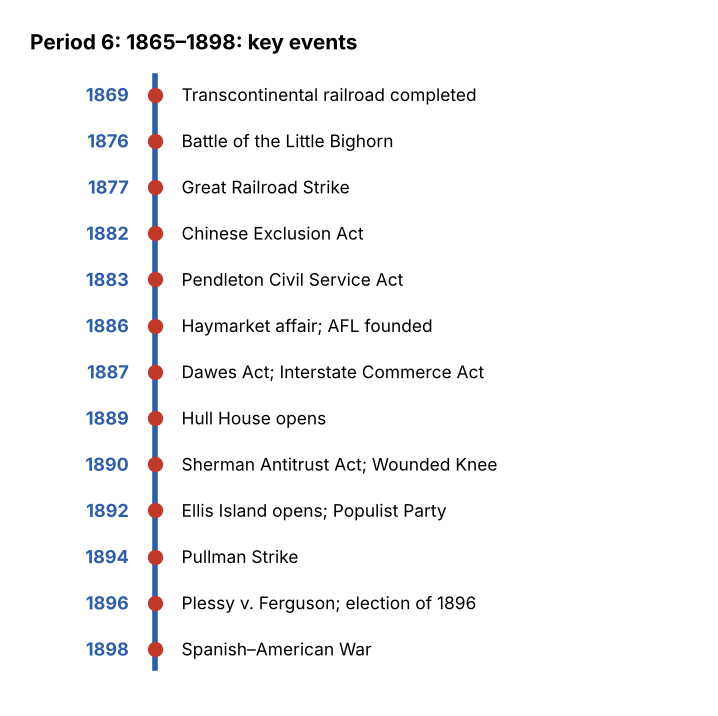
- Topic 6.6: Corporate growth created the demand for managers and clerks. See our review of the rise of industrial capitalism.
- Topic 6.5: The typewriter and telephone created new office jobs. See our review of technological innovation.
- Topic 7.4: Middle-class reformers drove the Progressive movement. See our review of the Progressive Era.
- Topic 8.4: The postwar middle class of the 1950s expanded on these patterns with suburbs and consumerism.
Common Question Formats
- Stimulus MCQ. An advertisement or catalog page, and you identify the economic change it reflects.
- Causation SAQ. You explain one cause of middle-class growth in this period.
- Continuity and change SAQ. You explain how women’s roles changed or stayed the same.
- LEQ. You evaluate the extent to which industrialization changed American society between 1865 and 1898.
Frequent Student Mistakes
- Ignoring the middle class entirely. Many essays describe only robber barons and factory workers.
- Assuming women stayed home. Many young women worked in clerical and sales jobs.
- Confusing the Gilded Age with the 1950s. Both had suburbs and consumerism, but in very different forms.
- Overstating equality. Middle-class opportunities were limited mostly to native-born white Americans.
Test-Day Shortcuts
- Look for white-collar clues. Offices, typewriters, and department stores signal middle-class topics.
- Link to reform. Showing how the middle class led to Progressivism earns sophistication points.
- Name specific institutions. Hull House, Sears, Roebuck, and Vassar make strong evidence.
Time Management Tips
- Multiple choice: Section IA has 55 questions in 55 minutes, about 1 minute each. Identify who created a source before answering about its purpose.
- Short answer: Section IB has 3 required questions in 40 minutes, roughly 13 minutes each. Keep each answer focused on the exact task verb, such as “explain” or “describe.”
- Essays: The DBQ gets 60 minutes, including a 15-minute reading period, and the single required LEQ gets 40 minutes. Middle-class evidence works well as outside evidence in industrialization essays.
Check for Understanding
Think you’ve got it? Complete the quiz below to make sure. Download your results at the end.