
Maximize your score with these resources:
- Albert.io AP® US Government question banks
- Free AP® US Government cheat sheets
- Free AP® US Government score calculator
Article II of the Constitution is short. It gives the president a handful of specific powers and one vague command to “take care that the Laws be faithfully executed.” Presidents have built an enormous office on that small foundation, mostly through tools the Constitution never mentions. The AP® U.S. Government and Politics exam tests both sides: the formal powers written in Article II and the informal powers presidents use to push their agendas, often in ways that put them in conflict with Congress.
This article covers Topic 2.4: Roles and Powers of the President in Unit 2, Interactions Among Branches of Government. The topic asks you to explain how presidents use their powers to carry out a policy agenda and why those powers create friction with Congress.
By the end, you should be able to:
- List the president’s formal powers and connect each one to the part of Article II it comes from.
- Explain informal powers such as executive orders, executive agreements, and signing statements, with real examples.
- Describe the different roles a president plays and how they overlap.
- Explain why the president’s agenda often produces conflict with Congress, especially over appointments and treaties.
Formal Powers: What Article II Actually Says
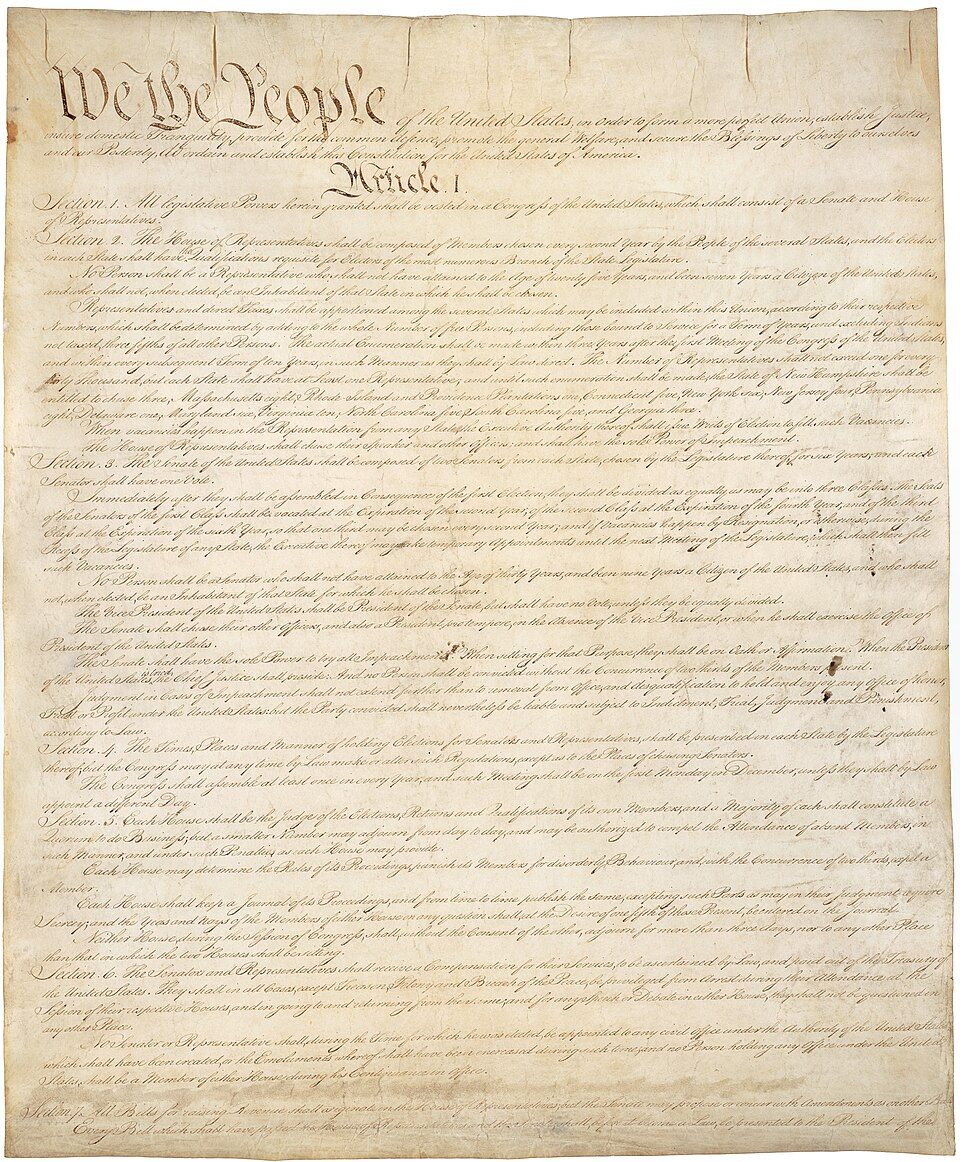

Formal powers (also called enumerated or expressed powers) are the ones the Constitution lists. Some the president can use alone. Others require the Senate’s cooperation, which is where many fights begin.
| Formal Power | What It Allows | The Catch |
|---|---|---|
| Veto | Reject a bill passed by Congress and send it back with objections. | Congress can override with two-thirds of both chambers. |
| Pocket veto | Kill a bill by not signing it if Congress adjourns within 10 days. | Only works at the end of a session. Congress cannot override it. |
| Commander in chief | Direct the armed forces. | Only Congress can declare war and fund the military. |
| Treaty making | Negotiate agreements with other countries. | Treaties need approval from two-thirds of the Senate. |
| Appointments | Nominate cabinet officers, ambassadors, and federal judges. | The Senate must confirm them by majority vote. |
| Pardons | Forgive federal crimes or shorten sentences. | Can’t stop an impeachment. Otherwise, no other branch can undo a pardon. |
| State of the Union | Report to Congress and recommend legislation. | The president can recommend, but only Congress can pass bills. |
A few details are worth knowing well:
- Vetoes rarely lose. Congress has overridden only about 7 percent of regular vetoes in American history, and pocket vetoes can’t be overridden at all. Because two-thirds is such a high bar, the threat of a veto alone often pushes Congress to change a bill before it passes.
- Pardons can be controversial. Gerald Ford pardoned Richard Nixon in 1974 for any crimes he may have committed in office. Many historians think the decision cost Ford the 1976 election, but no other branch could undo it.
- Commander in chief is the fastest-growing power. Congress has formally declared war in only five conflicts, most recently World War II. Presidents have sent troops into combat many more times without a declaration, including in Korea and Vietnam.
Why does this matter? Nearly every formal power has a check built in. That’s separation of powers at work. When an exam question asks about a presidential power, the answer often turns on the check attached to it: the override, the Senate vote, or Congress’s control of money.
Informal Powers: How Presidents Get Around Congress
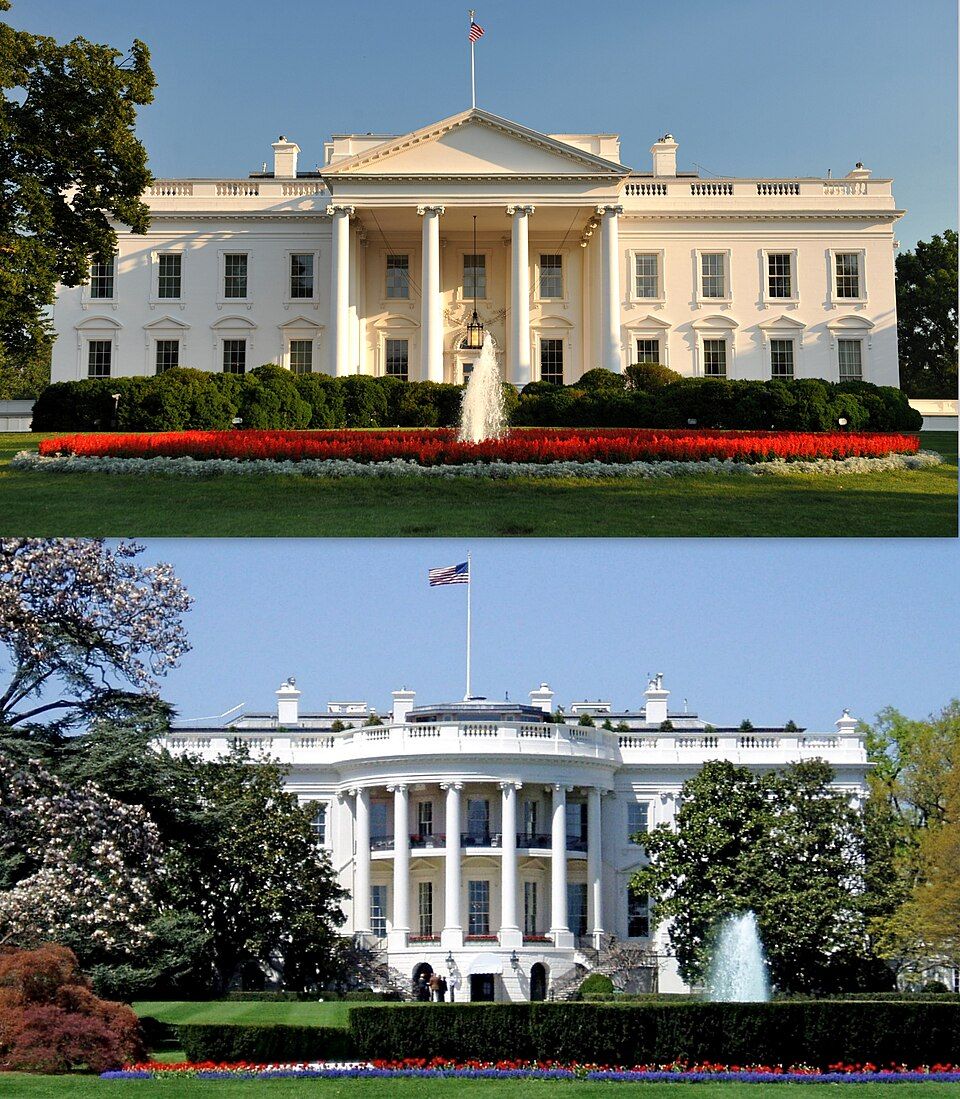
Informal powers are not listed in the Constitution. Presidents claim them as part of the “executive power” in Article II, and over time they have become some of the office’s most important tools. They let a president act without waiting for Congress.
Executive Orders
An executive order directs how federal agencies carry out the law. It has the force of law, but it must be based on the president’s constitutional powers or on authority Congress has delegated. A few landmark examples:
- Executive Order 9066 (1942). Franklin Roosevelt authorized the removal of Japanese Americans from the West Coast into incarceration camps. It remains one of the most criticized uses of presidential power.
- Executive Order 9981 (1948). Harry Truman ordered the desegregation of the armed forces, years before Congress passed major civil rights laws.
- Executive Order 10730 (1957). Dwight Eisenhower sent federal troops to Little Rock, Arkansas, to enforce school desegregation.
The weakness of executive orders is that they don’t last. The next president can reverse them with a signature. Courts can strike them down, and Congress can pass a law that overrides them.
Executive Agreements
An executive agreement is a deal with another country that doesn’t go to the Senate for approval. Presidents use them far more often than treaties because they avoid the two-thirds vote. The 2015 Iran nuclear deal and the U.S. entry into the Paris climate agreement were both done this way. Like executive orders, they can be undone by a later president, which is exactly what happened to both.
Signing Statements
A signing statement is a written comment the president issues when signing a bill into law. Some praise the bill. Others announce how the president plans to interpret or enforce parts of it, and occasionally a president signals that he considers a provision unconstitutional. George W. Bush used signing statements heavily, and critics argued they let him ignore parts of laws he had signed.
Persuasion and the Bully Pulpit
Political scientist Richard Neustadt famously argued that presidential power is “the power to persuade.” Presidents can’t force members of Congress to vote their way, so they bargain, trade favors, and use their public platform to build pressure. Theodore Roosevelt called the office a “bully pulpit,” meaning a great place to make an argument to the country. That idea gets its own topic in Unit 2, covered in our review of presidential communication.
| Informal Power | Advantage for the President | Limitation |
|---|---|---|
| Executive order | Immediate action without Congress | Reversible by the next president or the courts |
| Executive agreement | Avoids the Senate’s two-thirds vote | Easily withdrawn and less binding than a treaty |
| Signing statement | Shapes how a law is enforced | No legal force on its own and draws criticism |
| Bargaining and persuasion | Builds support for the agenda | Depends on popularity and party control of Congress |
The Many Roles of the President
The president wears several hats at once. Political scientists group them into roles, and the exam sometimes asks which role a specific action reflects.
- Chief executive. Runs the federal bureaucracy of millions of employees and enforces the law. Appointing agency heads and issuing executive orders fall here.
- Commander in chief. Directs the military, from ordering airstrikes to deploying troops.
- Chief diplomat. Negotiates with foreign leaders, makes treaties and executive agreements, and receives ambassadors, which is how the United States formally recognizes other governments.
- Chief legislator. Proposes legislation, lobbies Congress, and uses the veto. The Constitution only lets the president recommend laws, but modern presidents set much of Congress’s agenda.
- Head of state. Represents the nation at ceremonies, state dinners, and moments of national grief.
- Party leader. Campaigns for party candidates and shapes the party’s message. This role isn’t in the Constitution at all.
Alexander Hamilton defended a single, strong executive in Federalist No. 70, a required foundational document. He argued that one person can act with speed and accountability that a council never could:
Energy in the Executive is a leading character in the definition of good government.
Hamilton’s “energy” means decisiveness and the ability to act quickly, especially in war and emergencies. His argument explains why the Framers chose one president rather than an executive committee.
Why the President and Congress Clash
The Constitution makes the president and Congress share several powers, so conflict is built into the system. Three flashpoints come up again and again.
- Appointments. The Senate can delay or reject nominees, especially when the other party controls it. In 2016, the Republican Senate refused to hold hearings on Merrick Garland’s Supreme Court nomination. In 2013 and 2017, the Senate changed its rules so nominees could no longer be blocked by filibuster, which made confirmations more partisan.
- Treaties. The two-thirds rule means a treaty needs support from both parties. The Senate rejected the Treaty of Versailles after World War I, and presidents since have often chosen executive agreements to avoid a similar defeat.
- Policy agenda. A president’s priorities often die in Congress, especially under divided government. That’s when presidents turn to executive orders and other unilateral tools, which in turn frustrate Congress.
Why does this matter? The pattern is a cycle. Congress blocks the president, the president acts alone, and Congress, the courts, or the next president pushes back. This cycle drives the growth of presidential power over time, which is the subject of the next topic, expansion of presidential power.
Test-Taking Strategies
Mnemonic Devices and Memory Shortcuts
- “Formal is written, informal is claimed.” If the power appears in Article II, it’s formal. If presidents claimed it later, it’s informal.
- “Orders at home, agreements abroad.” Executive orders direct domestic agencies. Executive agreements deal with foreign countries.
- “The Senate says yes twice.” Treaties and appointments are the two formal powers that need Senate approval. Treaties need two-thirds; appointments need a majority.
- “Pocket veto, pocket closed.” A pocket veto only happens when Congress has adjourned, so there’s no one there to override it.
Cross-Topic Connections
- Topic 2.5: Every power here has a matching check. Review them in our article on checks on the presidency.
- Topic 2.6: Informal powers are the main way presidential power has grown beyond Article II. Federalist No. 70 is central to that debate.
- Topic 1.6: The veto and the Senate’s confirmation power are standard examples of checks and balances. See our review of the principles of American government.
- Topic 2.12: As chief executive, the president oversees the bureaucracy, which carries out most of the policies described here.
Common Question Formats
- Formal vs. informal MCQ. Four answer choices list powers, and you pick the one that is formal (or informal). Executive orders, executive agreements, and signing statements are the usual informal choices.
- Scenario MCQ. A stimulus describes a president acting without Congress and asks why. The answer usually involves divided government or the speed of unilateral action.
- Concept application FRQ. A news excerpt describes a president’s action. You describe the power used, explain how Congress could respond, and connect it to divided government or public opinion.
- Quantitative analysis FRQ. A chart shows vetoes or executive orders by president. You describe the trend and explain what might cause it, such as unified versus divided government.
Frequent Student Mistakes
- Calling executive orders laws. Executive orders have legal force, but they aren’t statutes. They must rest on existing constitutional or statutory authority, and they can be reversed far more easily than laws.
- Confusing treaties with executive agreements. Only treaties need two-thirds of the Senate. If a question describes a deal “without Senate approval,” it’s an executive agreement.
- Saying the president declares war. Only Congress can declare war. The president commands the military once it’s in the field.
- Thinking a pocket veto can be overridden. Because Congress has adjourned, it has no chance to vote. The bill simply dies.
Test-Day Shortcuts
- Check for the Senate. If a question involves nominations or treaties, the Senate is part of the answer. The House plays no formal role in either.
- Connect unilateral action to gridlock. When a stimulus mentions a president using executive orders, look for divided government or a stalled bill in the background.
- Name the role. In an FRQ, naming the role (chief diplomat, commander in chief) before explaining an action shows precision and costs you one phrase.
Time Management Tips
- Multiple choice: Formal-versus-informal questions should take 30 to 45 seconds. Use the extra time on chart-based questions about vetoes or executive orders.
- Concept application FRQ: Spend about 20 minutes. Identify the power in Part A in one sentence, then use most of your time explaining Congress’s response in the later parts.
- Argument essay: If the prompt is about presidential power, Federalist No. 70 is your strongest document. Pair it with one specific executive order or agreement as a concrete example, and plan your rebuttal around the checks in Topic 2.5.
Check for Understanding
Think you’ve got it? Complete the quiz below to make sure. Download your results at the end.