

Maximize your score with these resources:
- Albert.io AP® US History question banks
- Free AP® US History cheat sheets
- Free AP® US History score calculator
In February 1950, a little-known senator from Wisconsin waved a piece of paper at a speech in Wheeling, West Virginia, and claimed he had a list of communists working in the State Department. Joseph McCarthy never produced the list, but for four years he dominated American politics. Hollywood writers were blacklisted, teachers lost jobs, and federal employees were investigated for their political pasts. Topic 8.3 covers the second Red Scare: its causes, its methods, and its eventual collapse.
This article covers Topic 8.3: The Red Scare in Period 8, 1945 to 1980. The topic asks you to explain the causes of the second Red Scare after World War II, how the federal government and private groups tried to root out communism, and how these efforts affected civil liberties.
By the end, you should be able to:
- Explain the events that fueled fears of communism after 1945.
- Describe the government’s anti-communist measures.
- Explain the rise and fall of Joseph McCarthy.
- Evaluate the Red Scare’s effects on American society.

What We Review
Why Americans Feared Communism
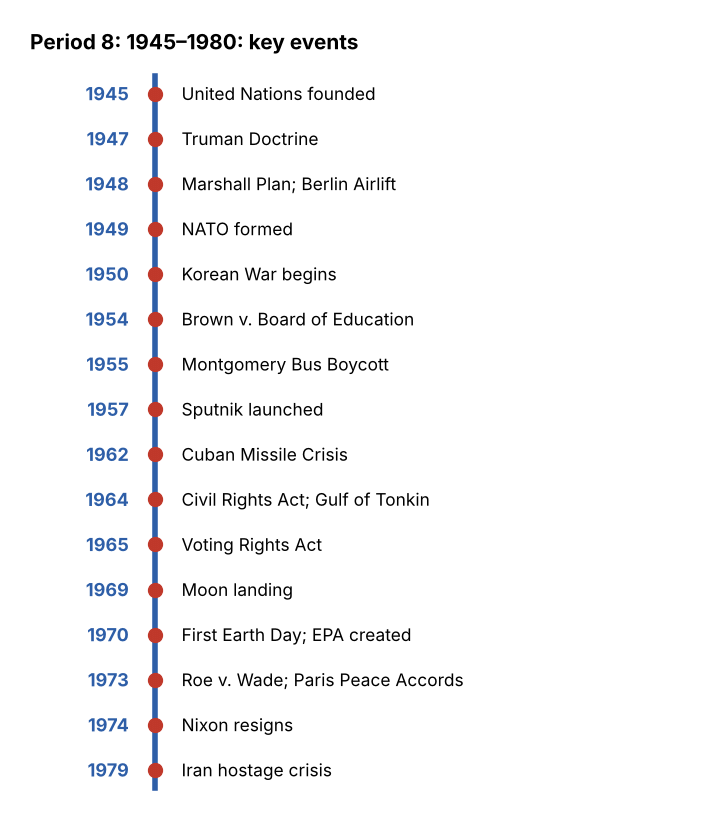
| Event | Year | Why It Raised Fears |
|---|---|---|
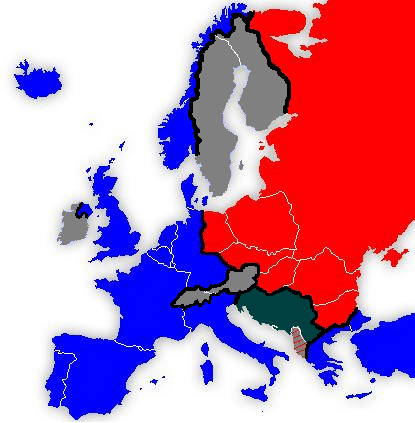
| Soviet control of Eastern Europe | 1945 to 1948 | Communist governments took power across the region |
| Alger Hiss case | 1948 to 1950 | A former State Department official was accused of spying and convicted of perjury |
| Soviet atomic bomb | 1949 | The U.S. lost its nuclear monopoly years sooner than expected |
| Communist victory in China | 1949 | Critics accused Truman of having “lost China” |
| Korean War | 1950 to 1953 | American troops fought communist forces |
| Rosenberg case | 1951 to 1953 | Julius and Ethel Rosenberg were convicted of passing atomic secrets and executed |
Some Soviet espionage was real. Decoded Soviet cables later released as the Venona files confirmed that spies had worked inside the U.S. government. But the response went far beyond actual spies, targeting people for their opinions, associations, or past political activity.
Government Measures
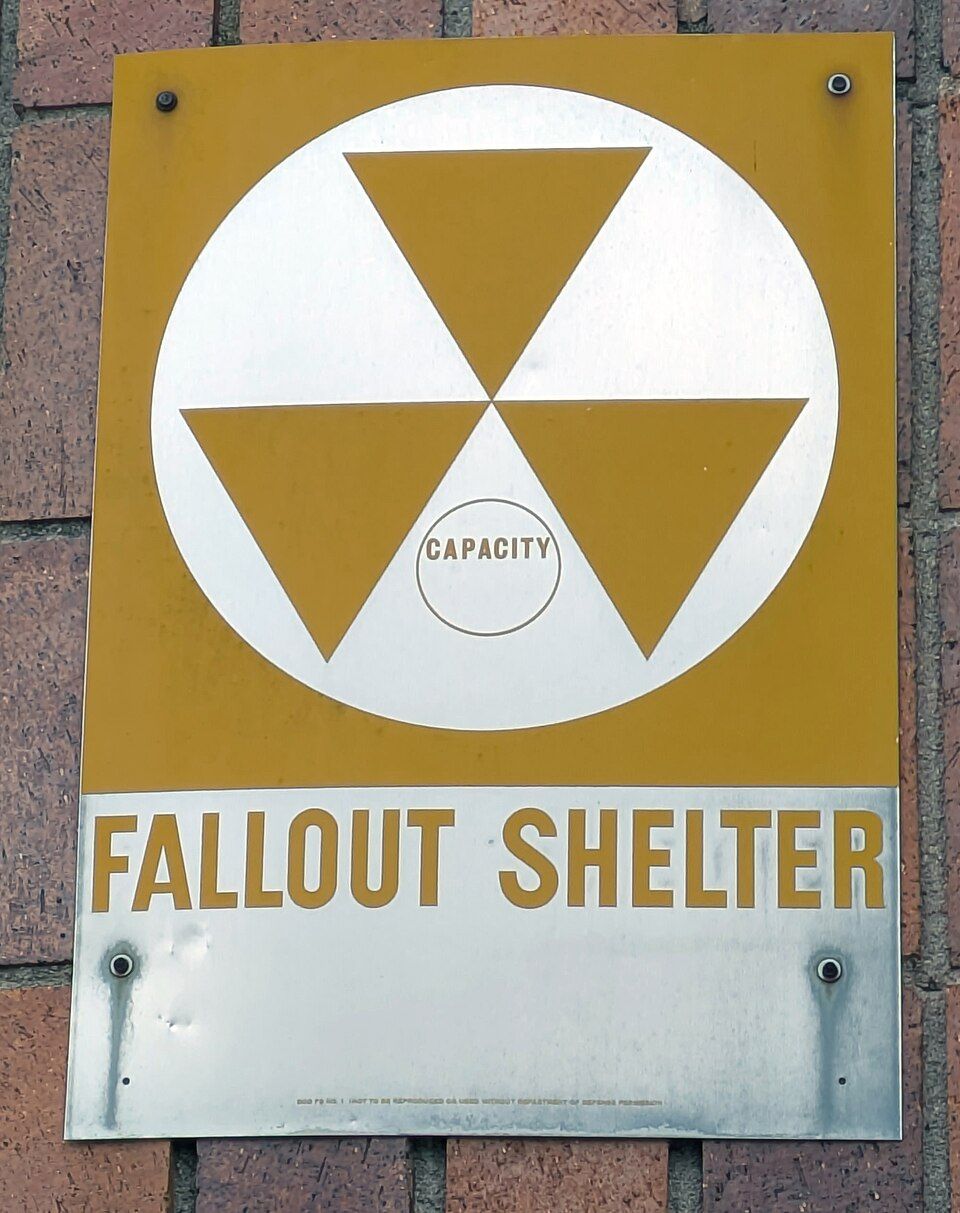
- Loyalty Review Program (1947): Truman’s Executive Order 9835 required loyalty checks for federal employees. Several thousand resigned and hundreds were fired, often on vague evidence.
- House Un-American Activities Committee (HUAC): Investigated alleged communists in government and Hollywood. The “Hollywood Ten,” writers and directors who refused to testify, were jailed for contempt and blacklisted.
- Smith Act prosecutions: Leaders of the American Communist Party were convicted of conspiring to overthrow the government. The Supreme Court upheld the convictions in Dennis v. United States (1951).
- McCarran Internal Security Act (1950): Required communist organizations to register with the government. Congress passed it over Truman’s veto.
McCarthyism
Senator Joseph McCarthy turned fear into a political weapon. He made sweeping accusations, often with little or no evidence, against government officials, the military, and anyone who criticized him. “McCarthyism” came to mean reckless charges of disloyalty.
His Downfall
- In 1954, McCarthy accused the U.S. Army of harboring communists. The televised Army-McCarthy hearings let millions of Americans watch his bullying tactics.
- Army lawyer Joseph Welch asked him, “Have you no sense of decency, sir?” The moment turned public opinion.
- Journalist Edward R. Murrow had already challenged McCarthy on his television program.
- The Senate censured McCarthy in December 1954. He died in 1957, his influence gone.
Effects on American Society
| Area | Effect |
|---|---|
| Civil liberties | Freedom of speech and association were narrowed. Loyalty oaths spread to teachers and state employees. |
| Entertainment | Hollywood blacklists ended or stalled hundreds of careers. |
| Labor unions | The Taft-Hartley Act (1947) required union leaders to sign anti-communist affidavits. Unions expelled left-wing members. |
| LGBTQ federal workers | The “Lavender Scare” led to the firing of thousands of gay and lesbian employees as supposed security risks. |
| Civil rights | Opponents of desegregation often labeled civil rights activists as communists. |
| Politics | Politicians of both parties competed to look tough on communism, which shaped Cold War foreign policy. |
Why does this matter? The second Red Scare is a strong example of how fear of foreign threats can reshape domestic politics. It also lets you compare different periods. The first Red Scare after World War I, Japanese American internment, and the post-9/11 debates over surveillance all raise similar questions about the balance between security and liberty.
Test-Taking Strategies
Mnemonic Devices and Memory Shortcuts
- “1949: bomb and China.” The two shocks that made the Red Scare explode.
- “HUAC hunted Hollywood.” The House committee targeted the film industry.
- “TV made him, TV broke him.” The Army-McCarthy hearings ended his power.
Cross-Topic Connections
- Topic 7.8: The first Red Scare (1919 to 1920) offers a direct comparison. See our review of 1920s cultural and political controversies.
- Topic 8.2: Cold War events abroad drove fears at home. See our review of the Cold War.
- Topic 7.12: Japanese American internment is another wartime limit on civil liberties.
- Topic 8.6: Segregationists used anti-communism against civil rights activists. See our review of the civil rights movement in the 1940s and 1950s.
Common Question Formats
- Stimulus MCQ. An excerpt from McCarthy’s Wheeling speech or a political cartoon, and you identify its context.
- Comparison SAQ. You compare the first and second Red Scares.
- Causation SAQ. You explain one cause of McCarthy’s rise.
- LEQ. You evaluate how the Cold War affected American society between 1945 and 1960.
Frequent Student Mistakes
- Saying McCarthy led HUAC. He was a senator. HUAC was a House committee.
- Claiming there were no spies. Some espionage was real, but the response was far broader.
- Dating McCarthy’s fall to 1950. He was censured in 1954.
- Forgetting Truman’s role. Loyalty programs began under Truman, before McCarthy.
Test-Day Shortcuts
- Spot “Have you no sense of decency.” It points to the 1954 Army-McCarthy hearings.
- Link foreign and domestic events. Each spike in fear followed a Cold War event.
- Use the Lavender Scare. It’s precise evidence many essays miss.
Time Management Tips
- Multiple choice: Section IA has 55 questions in 55 minutes, about 1 minute each. Consider the author’s position when reading anti-communist or civil liberties sources.
- Short answer: Section IB has 3 required questions in 40 minutes, roughly 13 minutes each. Name a specific person, case, or law in each part.
- Essays: The DBQ gets 60 minutes, including a 15-minute reading period, and the single required LEQ gets 40 minutes. Civil liberties make a strong theme for comparing wartime periods.
Check for Understanding
Think you’ve got it? Complete the quiz below to make sure. Download your results at the end.