
Maximize your score with these resources:
- Albert.io AP® Business with Personal Finance question banks
- Free AP® Business with Personal Finance score calculator
In 2001, Enron was one of the largest companies in the United States, admired for its soaring profits. Within months it was bankrupt. Executives had used accounting tricks to hide billions of dollars of debt and make the company look far healthier than it was. Thousands of employees lost their jobs and retirement savings, and investors lost billions. Financial statements only work if people can trust them. Topic 3.9 explains why people are tempted to cheat with money, and the laws and safeguards designed to stop them.
This article covers Topic 3.9: Ethics and Financial Reporting in Unit 3, Part 2, Business Finance and Accounting. The topic asks you to explain why individuals and businesses might engage in unethical financial practices, and how laws and professional codes encourage ethical behavior.
By the end, you should be able to:
- Identify six types of unethical financial practices.
- Explain the incentives that lead individuals and businesses to misreport finances.
- Describe how audits and financial market regulations protect investors.
- Describe professional ethics codes and internal controls that prevent misconduct.
Unethical Financial Practices
| Practice | What it means | Example |
|---|---|---|
| Misuse of funds | Using money for purposes other than intended | Spending a grant meant for equipment on executive travel |
| Tax evasion | Illegally avoiding taxes owed | Hiding cash sales from the government |
| Embezzlement | Stealing money one is trusted to manage | A bookkeeper transferring company funds to a personal account |
| Bribery | Offering something of value to influence a decision | Paying an official to win a contract |
| Lack of transparency | Hiding or obscuring important information | Leaving a major lawsuit out of investor reports |
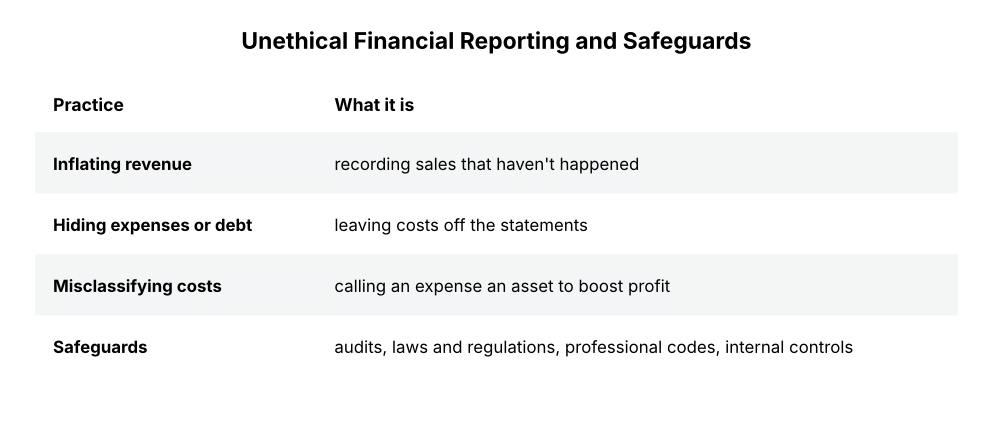
| Fraud | Deception for gain, including falsifying financial statements | Recording sales that never happened |
Why People Are Tempted
The CED identifies two main incentive patterns:
- Access to large sums of cash creates opportunities for individuals to embezzle, misuse funds, or falsify records for personal gain.
- Portraying finances as better or worse than they are can benefit the business or its managers. Looking better can raise stock prices or win better loan terms. Looking worse to the government can reduce taxes.
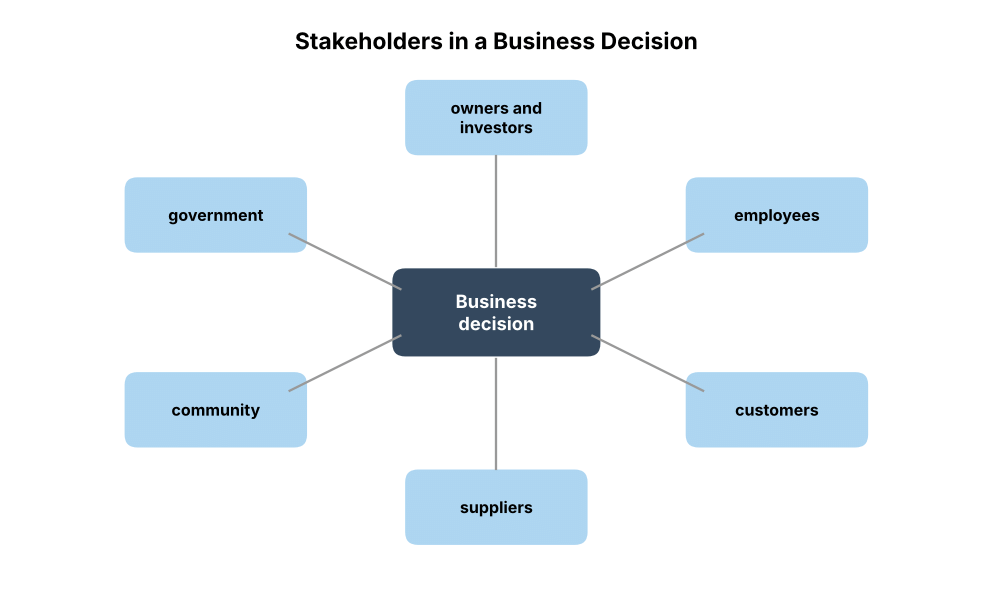
Notice the link to Topic 1.6: incentive structures can push people toward unethical choices. A manager whose bonus depends on the stock price has a reason to make profits look larger.
Laws and Regulations
- Misusing funds, tax evasion, embezzlement, bribery, and fraud are illegal in most countries, though laws and punishments vary.
- Under U.S. law, publicly held corporations must submit financial records annually for auditing by independent accounting firms.
- Financial market regulations are designed to make sure investors get accurate information and are protected from fraud.
This connects to the GAAP rule from Topic 3.3: public corporations must disclose both positive and negative information each reporting period.
Professional Codes and Internal Controls
Professional organizations for accountants and financial managers maintain ethics codes that emphasize five values:
- Honesty
- Integrity
- Transparency
- Objectivity
- Confidentiality
Businesses also build internal mechanisms: codes of conduct, audit requirements, and cash-handling processes. For example, requiring two people to count the cash register at closing makes it much harder for one employee to steal unnoticed.
Worked Example: Spotting the Problem
A regional restaurant chain’s finance manager is under pressure: a bank will lend $2 million for expansion only if this year’s profit tops $500,000. Actual profit is $430,000.
- The temptation: She could record next year’s catering deposits as this year’s revenue, pushing profit above $500,000.
- The practice: That would be fraud, falsifying financial statements to win better loan terms.
- Safeguards that should catch it: An internal audit requirement, a code of conduct, and her professional ethics code’s emphasis on honesty and transparency.
- Ethical alternatives: Report accurately, ask for a smaller loan, or show the bank projections backed by real data.
Why does this matter? Investors, lenders, and employees all make decisions based on financial statements. When those statements are false, the harm spreads far beyond the company, as Enron showed.
Test-Taking Strategies
Mnemonic Devices and Memory Shortcuts
Remember the six practices as “My Tiny Elephant Bought Lots of Fudge”: Misuse, Tax evasion, Embezzlement, Bribery, Lack of transparency, Fraud. The ethics code values: “HITOC”, Honesty, Integrity, Transparency, Objectivity, Confidentiality.
Cross-Topic Connections
- Topic 1.6: Business Ethics introduces incentive structures and codes of conduct.
- Topic 3.3: Accounting and Financial Management explains GAAP disclosure rules.
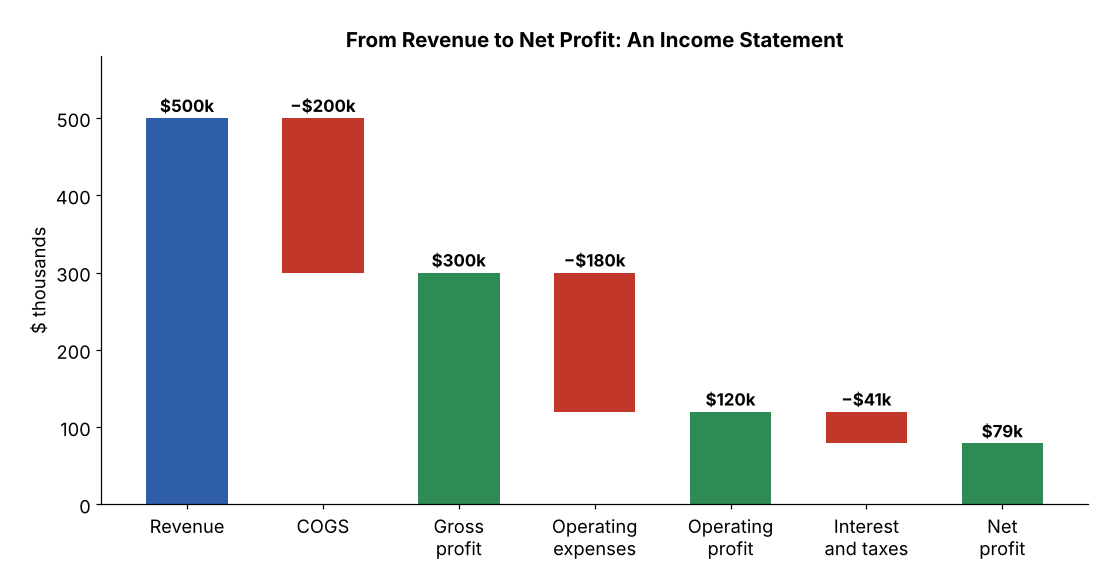
- Topic 3.6: The Income Statement shows the profit figures fraud often targets.
- Topic 3.5: Financial Capital explains why investors and lenders depend on accurate statements.
Common Question Formats
- A scenario asking which unethical practice is described.
- A question asking why a manager might overstate or understate profit.
- A question asking which safeguard would best prevent a specific problem.
Frequent Student Mistakes
- Mixing up embezzlement (stealing entrusted funds) with bribery (paying for influence).
- Assuming businesses only misreport to look better. Understating income to avoid taxes is also misreporting.
- Thinking private companies face the same mandatory audits. The annual audit rule applies to publicly held corporations.
Test-Day Shortcuts
Match the motive to the direction: higher stock price or better loan terms means overstating; lower taxes means understating.
Time Management Tips
The AP Business with Personal Finance Exam on May 4, 2027, is fully digital in Bluebook. Ethics questions in Unit 3 are usually fast to answer once you name the practice. Use the time you save on calculation-heavy financial statement questions.
Check for Understanding
Think you’ve got it? Complete the quiz below to make sure. Download your results at the end.